

Ignition Control Module Guide for the 1981-1987 Mercury Lynx
Solve stalling and no-start problems by understanding this key part of your Lynx's ignition system.
- A failing ignition module is a very common cause of stalling and no-start issues on the Mercury Lynx.
- Symptoms are often heat-related; the car may stall when hot and restart only after cooling down.
- Replacement is a straightforward DIY task, but be sure to use thermal grease on the new module.
- Choose a quality aftermarket brand like Delphi or Standard Ignition, as new OEM parts are unavailable.
Is Your Mercury Lynx Stalling or Refusing to Start?
If your 1981-1987 Mercury Lynx suddenly stalls, especially when the engine is hot, or if it cranks but won't start at all, a failing ignition control module is a likely culprit. This component, often called a TFI module on Ford vehicles of this era, is a known failure point. Heat is its biggest enemy, and after decades of service, the original module can become unreliable. When it fails, it can leave you stranded without warning.
Heat is the Enemy
The most common failure scenario for these modules is heat-related. A module might work fine when the engine is cold but fail as it heats up, causing the engine to stall. After cooling down for a period, the car might start and run again until the module overheats once more. This intermittent problem can be frustrating to diagnose.
Symptoms of a Failing Ignition Module
- Engine stalls and will not restart: The engine dies while driving and won't fire up again until it has cooled down significantly.
- No-start condition: The engine cranks over normally but never starts, indicating a lack of spark.
- Rough running and misfiring: The engine may run poorly, hesitate, or feel like it's hitting a rev limiter at higher RPMs.
- Weak or inconsistent spark: The module may not be able to properly trigger the coil, resulting in a weak spark that can cause a variety of running problems.
Choosing the Right Aftermarket Module
Finding a new original equipment (OEM) Ford ignition module for a vehicle of this age is nearly impossible. The aftermarket is your primary source for a replacement. For the 1981-1987 Mercury Lynx, brands like Delphi and Standard Ignition are the main choices available.
Brand Quality Assessment:
- Standard Ignition (SMP): Often considered a reliable choice for ignition components. Their modules for Ford applications are described as having features like double wire bonds and copper heat sinks to improve durability and heat dissipation.
- Delphi: With a history as an OE supplier for General Motors, Delphi also produces a wide range of aftermarket parts. Reviews suggest their modules are generally seen as a quality replacement, often fixing running issues like stumbling and rough performance.
For a classic vehicle like the Lynx, both brands offer a practical and dependable solution. Since quality can sometimes vary with aftermarket electronics, some owners choose to keep the old module in the trunk as a spare for emergencies.
Don't Forget the Special Grease!
New ignition modules typically come with a small packet of dielectric grease or thermal compound. It is critical to apply this grease to the metal back of the new module before installation. This helps transfer heat away from the module to the distributor or heatsink, preventing premature failure.
Cost of Replacing a Mercury Lynx Ignition Module
| Item | Estimated Cost |
|---|---|
| New Aftermarket Ignition Module | $73.04 - $100.94 |
| Shop Labor | $75 - $150 |
| Total Estimated Cost | $148.04 - $250.94 |
Note: Costs are estimates and can vary based on your location and chosen repair shop.
Frequently Asked Questions (FAQ)
Where is the ignition module located on my Lynx?
On most 1981-1987 Mercury Lynx and Ford Escort models, the ignition control module (TFI module) is mounted directly to the side of the distributor. You will need to remove the distributor cap to access it. A special thin-walled socket is often required to remove the small bolts holding it in place.
Can I replace the ignition module myself?
Yes, this is a DIY-friendly job for someone with basic mechanical skills. It involves removing the distributor cap, unplugging the module, and unbolting it. The most difficult part is often accessing the small bolts in a tight space. The entire job can usually be done in under an hour.
Are there any recalls for the Lynx ignition module?
A search of the National Highway Traffic Safety Administration (NHTSA) database shows no recalls or specific technical service bulletins (TSBs) for the ignition control module on the 1981-1987 Mercury Lynx. Failures today are due to the part's age and sensitivity to heat.
Should I buy the cheapest module available?
While tempting, it's often better to choose a recognized brand like Standard Ignition or Delphi. Some forum users report that very cheap, unbranded electronic parts can have a higher failure rate, sometimes failing within a short period. Since a failed module can leave you stranded, investing in a quality part is a good idea.
Technical Specifications
This vehicle uses a Thick Film Ignition (TFI) style module, typically mounted on the distributor. It is crucial to apply thermal compound/dielectric grease between the module and its mounting surface to ensure proper heat transfer and prevent premature failure.
We Have This Part in Stock

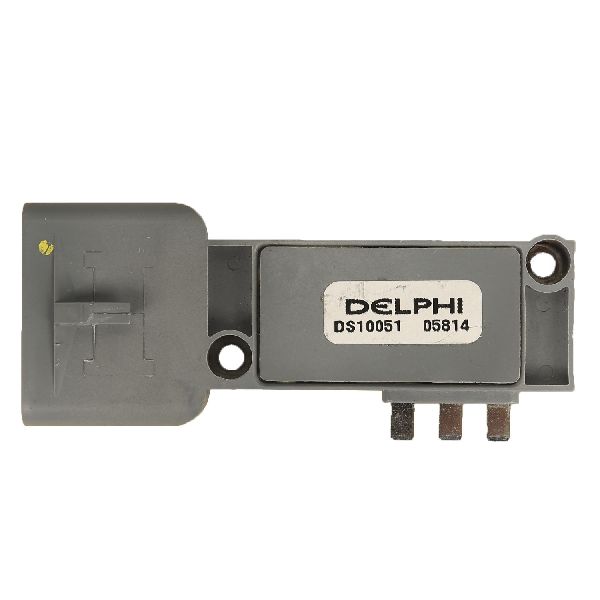

The information in this article is provided for general reference and educational purposes only. Vehicle specifications, procedures, and part compatibility can vary by production date, trim level, and region. Always consult your vehicle's factory service manual and verify part numbers before purchasing or performing repairs. Safety-critical components such as airbags, seat belts, and braking systems should be installed by a qualified professional.
- Mercury Lynx: