

Nissan Maxima Engine Oil Pressure Switch Guide (1981-1987)
Understanding the oil pressure warning light on your first or second-generation Maxima is key to engine health.
- A flickering oil light is the most common symptom of a bad switch, but always check your oil level first.
- Replacement is a simple DIY job for most owners, requiring a deep socket and basic tools.
- Aftermarket brands like Beck Arnley and Standard Ignition (SMP) are good choices for quality and fit on these older Japanese vehicles.
- Never drive a vehicle with an illuminated oil pressure light without first verifying the oil level and pressure to avoid severe engine damage.
Is your oil light flickering?
For an older vehicle like the 1981-1987 Nissan Maxima, the engine oil pressure switch is a simple but vital component. Its main job is to protect your engine from damage due to low oil pressure. A failure of this small part can have big consequences, but luckily, it's usually an easy and inexpensive fix.
Symptoms of a Failing Oil Pressure Switch
A bad oil pressure switch can create confusing situations. It might fail and cause the oil light to stay on even when the pressure is fine, or it might fail to warn you when there's a real problem. Here are the common signs:
- Oil Light Flickering at Idle: This is a very common symptom. The light may flicker or glow dimly when the engine is warm and idling, then go away when you accelerate. This could mean the sensor is faulty, or it could indicate genuinely low oil pressure at idle.
- Oil Light Stays On: If the oil light remains on after you've checked and confirmed the oil level is correct, the switch itself is a likely suspect.
- Oil Light Never Comes On: The warning light should illuminate for a moment when you first turn the key before starting the engine. If it doesn't, the bulb or the switch could be bad.
- Oil Leaks: The switch itself can develop leaks over time. You might see oil residue on the sensor or drips on the ground below it.
Don't Ignore the Oil Light
Never assume a flickering or illuminated oil light is just a bad sensor. Always check your oil level first. If the level is good, you should verify the actual oil pressure with a mechanical gauge before driving the vehicle further to avoid catastrophic engine damage.
Choosing the Right Aftermarket Part
For a vehicle of this age, aftermarket parts are the most common and cost-effective solution. OEM parts may be difficult to find. The quality of aftermarket sensors can vary, but several reputable brands are available.
- Standard/Economy Tier (Global Parts, Rostra): These brands offer a budget-friendly option. They are suitable for getting a vehicle back on the road, but their long-term durability may not match higher-tier brands.
- Mid-Grade Tier (Holstein): Holstein is a known sensor manufacturer that aims to provide OE-quality performance at a lower price. Reviews suggest they are a decent budget-friendly option, better than some economy lines.
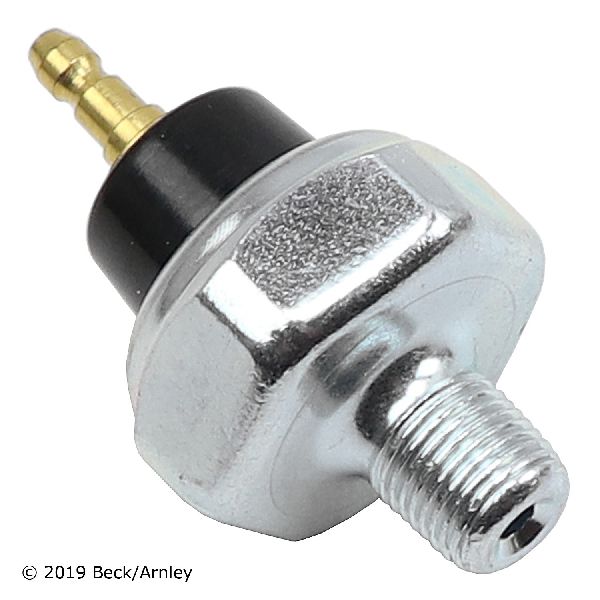
- Premium Aftermarket Tier (Beck Arnley, Standard Ignition - SMP): Beck Arnley specializes in parts for import vehicles and often sources from OE suppliers, meaning you might get a part of equivalent quality to the original in their box. Standard Motor Products (SMP) has a long history and is generally considered a quality brand for electrical components, though some users suggest sticking to their main lines.
Check the Connector
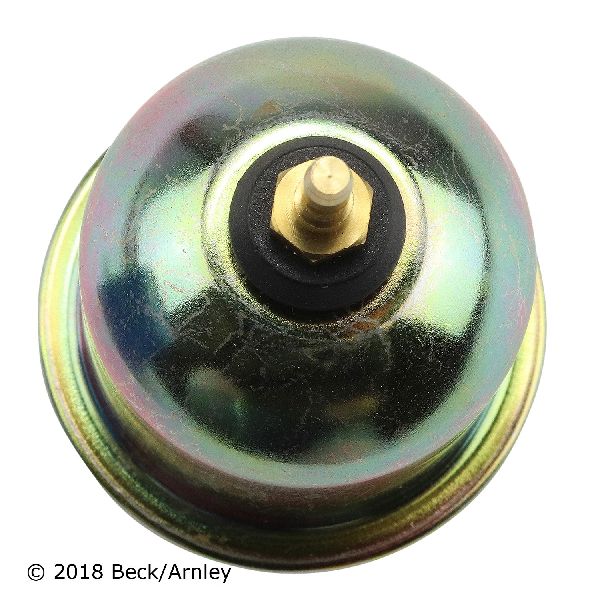
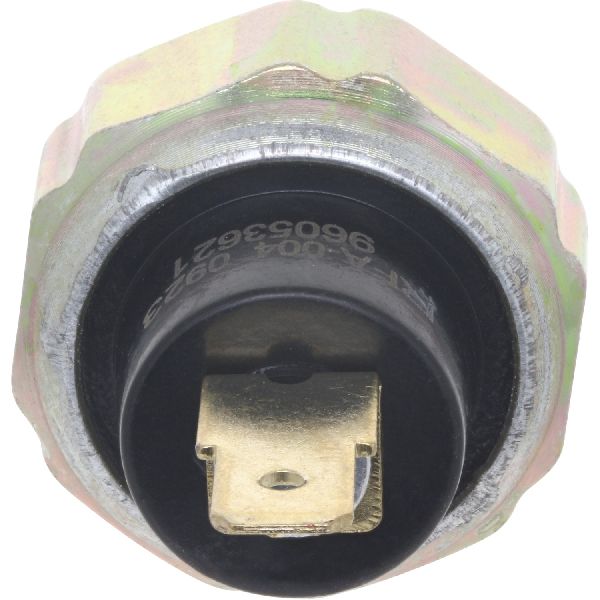
The 1981-1984 Maxima may have used a sending unit with a 2-pin connector and slightly different terminal sizes than modern replacements. Some aftermarket parts for these early models might require minor modification to the vehicle's wiring connector to ensure a snug fit. Always compare the new part to the old one before installation.
| Item | Estimated Cost |
|---|---|
| Aftermarket Oil Pressure Switch | $6.79 - $76.04 |
| Shop Labor | $50 - $120 |
Frequently Asked Questions
Where is the oil pressure switch located on a 1981-1987 Nissan Maxima?
The oil pressure switch is typically located on the engine block, often near the oil filter or oil pan. On these Maxima models, you can usually find it by looking at the area above the oil pan drain plug. It's a small sensor with a single wire or a plastic connector attached to it.
Is it hard to replace the oil pressure switch myself?
No, this is generally an easy DIY job. It involves safely raising the vehicle, unplugging the electrical connector, and using a deep socket to unscrew the old switch and install the new one. You will need a special oil pressure switch socket or a deep well socket (often 24mm or 27mm, though replacements can vary). A small amount of oil will leak out, so have a drain pan ready.
My new switch is a different size than the old one. Is that okay?
Yes, this is common with aftermarket parts. The replacement switch may have a different hex size for the socket. For example, the original might be 27mm while the replacement is 22mm. As long as the threads and electrical connection are correct for your vehicle, the different tool size is not a problem.
Are there any recalls for the oil pressure switch on these Maximas?
No specific recalls or Technical Service Bulletins (TSBs) for the engine oil pressure switch were found for the 1981-1987 Nissan Maxima during research. Recalls for this era were more commonly related to fuel injectors and Takata airbags.
Technical Specifications
OEM Part Numbers: 25240-89902 25240-89900 25240-W0100
Typically a single-pin or two-pin switch that closes or opens a circuit at a specific low-pressure threshold (usually 3-7 PSI). Thread size and connector type are key identifiers.
We Have This Part in Stock


The information in this article is provided for general reference and educational purposes only. Vehicle specifications, procedures, and part compatibility can vary by production date, trim level, and region. Always consult your vehicle's factory service manual and verify part numbers before purchasing or performing repairs. Safety-critical components such as airbags, seat belts, and braking systems should be installed by a qualified professional.
- Nissan Maxima: