

Choosing the Right Oxygen Sensor for Your 1981-1987 Toyota Land Cruiser
Restore your FJ60's fuel economy and engine performance with a new oxygen sensor.
- A failing oxygen sensor on your FJ60 can cause poor fuel economy, rough idling, and failed emissions tests.
- Denso is the original equipment manufacturer for Toyota, making it a top choice for aftermarket replacement. NGK/NTK is also a premium option.
- Replacement is simple and can be done at home in under an hour with basic tools.
- U.S. market 1981-1987 Land Cruisers use a single, one-wire oxygen sensor located before the catalytic converter.
Is a bad oxygen sensor hurting your Land Cruiser's performance?
The oxygen sensor is a small but vital part that wears out over time from constant exposure to hot exhaust gases. Since vehicles from this era, like your 1981-1987 Land Cruiser, are well over 15 years old, it's common for the original sensor to fail. When it does, it can no longer send accurate information to the engine computer, leading to a range of problems that affect driveability and fuel consumption. Ignoring a bad O2 sensor can even lead to more expensive repairs down the road, like a damaged catalytic converter.
Symptoms of a Failing Oxygen Sensor
If your FJ60's oxygen sensor is going bad, you might notice several signs. Because the sensor is key to managing the air-fuel ratio, a faulty one often causes the engine to run too rich (too much fuel) or too lean (not enough fuel). Look out for these common symptoms:
- Poor Fuel Economy: One of the most common signs. If the sensor is faulty, the engine computer may add more fuel than needed, causing you to visit the gas station more often.
- Rough Idle or Engine Misfires: An incorrect air-fuel mixture can cause your Land Cruiser's engine to run unevenly, especially when idling at a stop.
- Failed Emissions Test: A bad O2 sensor is a frequent cause of failing a smog test, as it can't properly regulate the exhaust gases.
- Sluggish Performance: Your vehicle may feel slow or hesitate during acceleration because the engine isn't getting the right fuel mixture for optimal power.
- Gasoline Smell: An engine running rich may produce a strong smell of gasoline from the exhaust.
Pro Tip: Check Engine Light
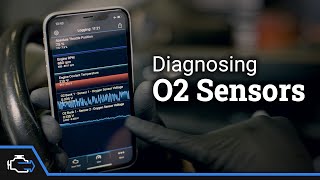
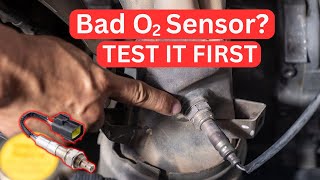
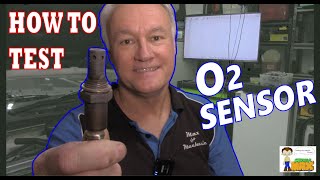
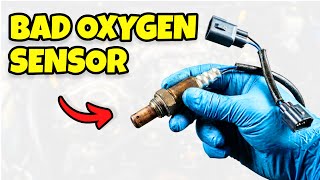
While many modern cars will illuminate a check engine light for a bad O2 sensor, the warning systems on the 1981-1987 Land Cruiser are more basic. You may experience performance issues long before any warning light appears, 🎬 See this step-by-step guide on how to test your sensor so it's important to pay attention to how your truck is running.
Choosing the Right Aftermarket Oxygen Sensor
For a classic vehicle like the FJ60 Land Cruiser, you have several excellent aftermarket options that meet or exceed original quality. The original equipment manufacturer (OEM) for Toyota is typically Denso. Aftermarket Denso sensors offer the same quality as the dealer part without the high markup. Other brands also provide reliable performance at different price points.
Brand Quality Tiers
Premium Aftermarket (OEM Equivalent):
- Denso: As the likely original supplier, Denso is a top choice for a direct, OE-quality replacement. Many Toyota owners prefer to stick with Denso to ensure compatibility and performance.
- NGK (NTK): NGK, which markets its sensors under the NTK brand, is another highly respected Japanese manufacturer and a primary OEM supplier. They are known for their quality and are considered an excellent alternative to Denso.
Quality Aftermarket:
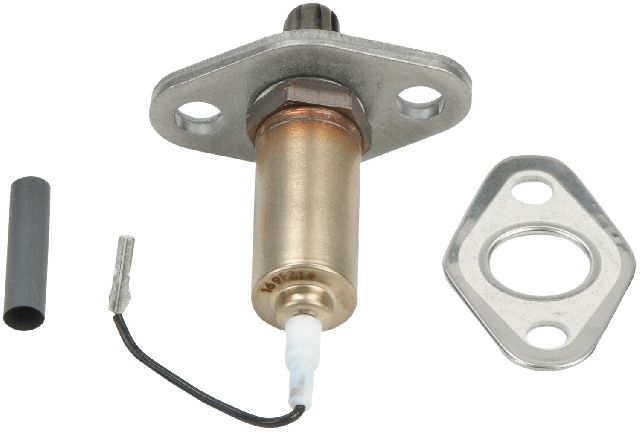
- Bosch: Bosch invented the modern oxygen sensor and has a long-standing reputation for quality. They are a reliable choice for most vehicles, including Japanese imports.
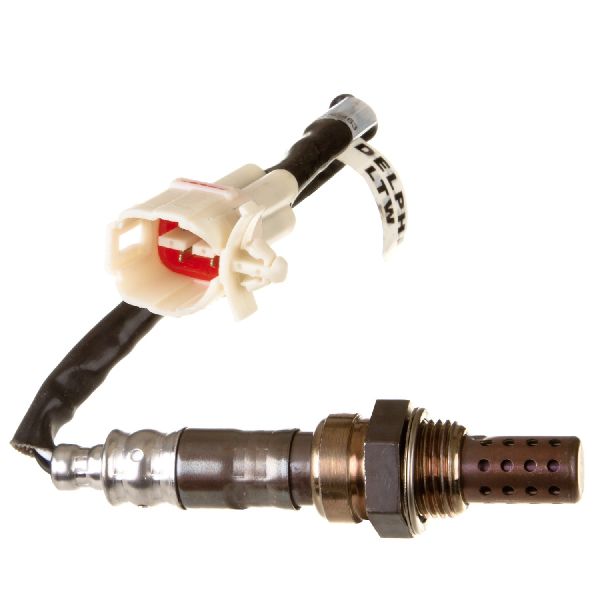
- Delphi: Delphi is a well-known parts supplier that produces a wide range of quality components for the aftermarket.
Standard / Economy Aftermarket:
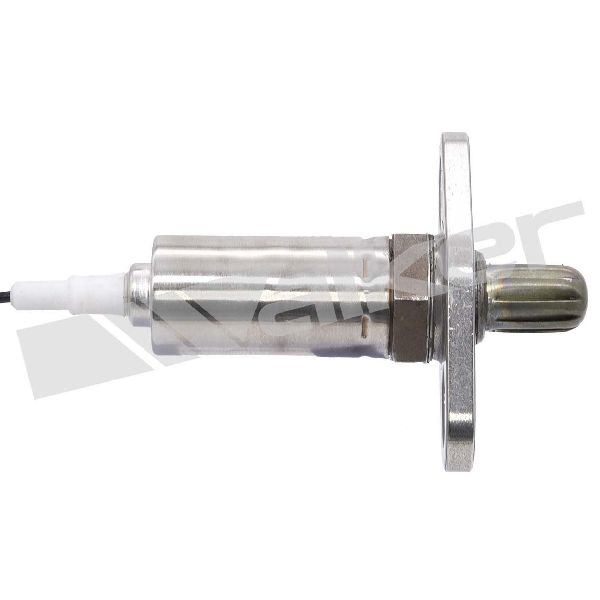
- Walker Products & Spectra: These brands offer a more budget-friendly option. They provide functional replacements that can be a good choice if cost is a primary concern.
| Brand Tier | Estimated Price | Notes |
|---|---|---|
| Premium (Denso, NGK) | $70 - $149 | OEM-equivalent quality and direct-fit connectors. |
| Quality (Bosch, Delphi) | $45 - $90 | Reputable brands offering a balance of quality and value. |
| Standard (Walker, Spectra) | $25 - $60 | Budget-friendly options for a functional replacement. |
Frequently Asked Questions (FAQ)
Where is the oxygen sensor located on my 1981-1987 Land Cruiser?
The FJ60 Land Cruiser has one upstream oxygen sensor. It is located in the exhaust system, typically screwed into the exhaust manifold or the downpipe before the catalytic converter.
Is this a difficult part to replace myself?
No, this is a very DIY-friendly job. With the right tools, it can usually be done in under an hour. The main challenge can be removing the old sensor if it's rusted in place. Using a penetrating lubricant and letting it soak can help significantly.
Do I need a special tool to replace the oxygen sensor?
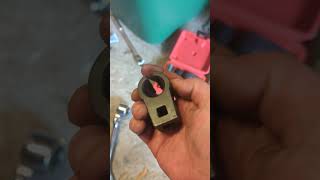
While not always required, a special oxygen sensor socket makes the job much easier. This socket has a slot down the side to accommodate the sensor's wire. 🎬 Check out the best tool for removing stuck sensors A 22mm wrench can also be used.
Should I use anti-seize on the new sensor?
Yes. Most new oxygen sensors come with anti-seize compound already applied to the threads. If not, you should apply a small amount to the threads before installation, being careful not to get any on the sensor tip itself. This will make it easier to remove in the future.
My Land Cruiser has a carbureted 2F engine. Does it really have an O2 sensor?
Yes, U.S. market FJ60s with the 2F engine have a single-wire oxygen sensor as part of the emissions control system that works with the feedback carburetor. Some forum users are unaware of this, but it is a standard part on these models.
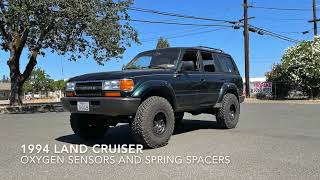
Helpful Videos

Technical Specifications
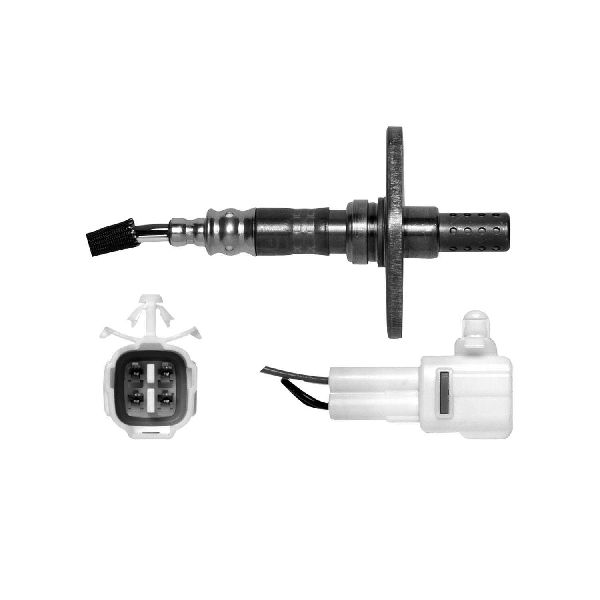
OEM Part Numbers: 89465-69015 89465-29125
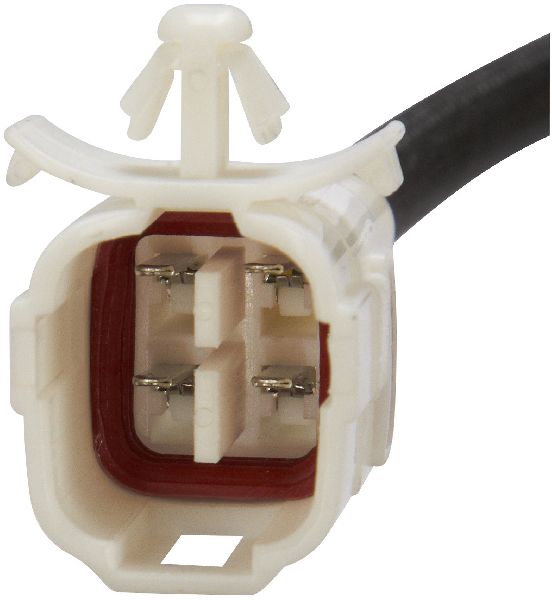
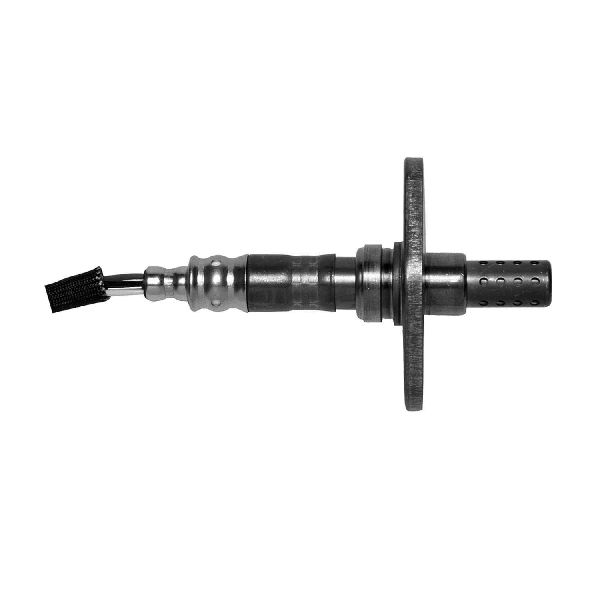
The 1981-1987 Toyota Land Cruiser uses a single-wire, unheated upstream oxygen sensor.
We Have This Part in Stock

The information in this article is provided for general reference and educational purposes only. Vehicle specifications, procedures, and part compatibility can vary by production date, trim level, and region. Always consult your vehicle's factory service manual and verify part numbers before purchasing or performing repairs. Safety-critical components such as airbags, seat belts, and braking systems should be installed by a qualified professional.
- Toyota Land Cruiser: