

Dodge B150 Radiator Replacement Guide for 1981-1988 Models
Keep your classic Dodge van from overheating with the right new aftermarket radiator.
- Radiator failure in a B150 is most often due to age-related leaks or internal clogs.
- Replacing the radiator is a DIY-friendly job that requires basic tools and about 2-3 hours.
- Always replace radiator hoses and the radiator cap at the same time as the radiator for a complete repair.
- Use conventional green or yellow coolant mixed with distilled water, not tap water, to prevent future corrosion.
Is Your Dodge B150 Radiator Failing?
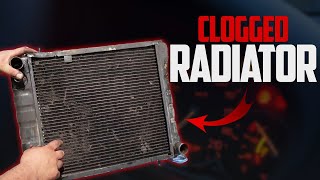
For a van from the 1980s, the original radiator has likely seen better days. The most common issues are leaks from cracked plastic parts or clogs from years of deposit buildup. Here are the key signs that your B150's radiator needs attention:
- Engine Overheating: The most obvious sign is the temperature gauge climbing into the red zone. An overheating engine can lead to severe damage like warped cylinder heads.
- Coolant Leaks: Finding puddles of green, yellow, or pink sweet-smelling fluid under the front of your van is a sure sign of a leak. Leaks can come from the radiator itself, often from cracks in the plastic end tanks.
- Low Coolant Levels: If you constantly have to add coolant to the overflow tank, you have a leak somewhere in the system.
- Discolored or Sludgy Coolant: Coolant should be brightly colored. If it looks rusty, oily, or thick, it means there's contamination and corrosion inside your cooling system, which can clog the radiator. 🎬 Watch this guide on identifying signs of a bad radiator.
- Heater Not Working: The cabin heater uses hot coolant to warm the air. If the radiator is clogged or leaking, not enough hot coolant may reach the heater core, leaving you with no heat.
Choosing the Right Aftermarket Radiator
For a vehicle like the 1981-1988 Dodge B150, finding a new OEM (Original Equipment Manufacturer) radiator is nearly impossible. The good news is that several aftermarket brands produce reliable replacements that meet or exceed original specifications. When shopping, you'll encounter a few quality tiers:
Aftermarket Brand Tiers
| Brand | General Quality & Notes |
|---|---|
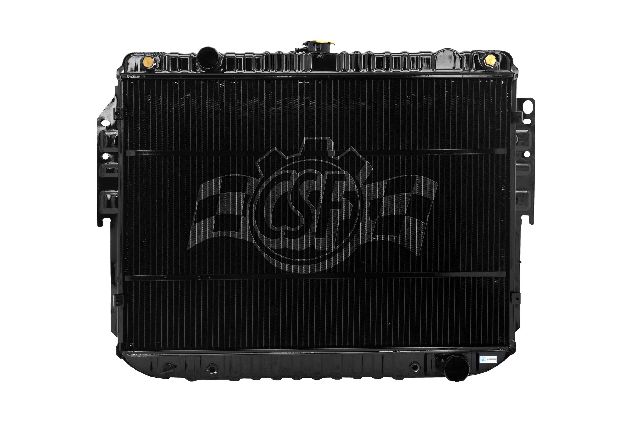
| CSF Radiator | CSF is a well-regarded brand offering both OEM-style replacements and performance options. They are known for robust construction using quality materials like aluminum and copper-brass. Some forum users have noted that CSF's all-metal radiators can have higher failure rates than their plastic/aluminum models, though this is based on general mechanic feedback, not B150-specific reports. |
| Spectra Premium | Spectra is known for producing radiators that are designed for a precise, OE-style fit and form. They use high-quality materials and are a popular choice for reliable, standard replacement parts. |
| APDI | APDI is a common aftermarket brand often seen as a budget-friendly option. While specific reviews for the B150 are scarce, they are a widely available choice for standard daily-driver repairs. |
Pro Tip: Since your van is over 30 years old, it's highly recommended to replace the radiator hoses (both upper and lower) and the radiator cap when you install a new radiator. Old hoses can become brittle and fail soon after a new radiator is installed.
Known Issues, Recalls, or TSBs
Searches for official recalls and Technical Service Bulletins (TSBs) for the 1981-1988 Dodge B150 radiator did not yield any specific results. This is common for vehicles of this age. However, general TSBs from Chrysler for other vehicles highlight the importance of using the correct type of coolant and only mixing it with distilled water to prevent corrosion and premature water pump failure. Using tap water can introduce minerals that clog the cooling system.
Cost of Replacing a Dodge B150 Radiator
The cost will vary based on the brand you choose and whether you do the work yourself or hire a professional mechanic.
Estimated Costs
| Item | Estimated Cost |
|---|---|
| New Aftermarket Radiator | $150 - $463 |
| Shop Labor | $200 - $400 |
| DIY Total (Part + Coolant) | $180 - $500 |
| Shop Total (Parts + Labor) | $350 - $863 |
Frequently Asked Questions (FAQ)
Is replacing the radiator on a Dodge B150 a DIY job?
Yes, for those with basic mechanical skills and tools, this is a very manageable DIY project. Access is relatively good on these vans. The process involves draining the coolant, removing hoses, disconnecting the fan shroud, unbolting the old radiator, and then installing the new one in reverse order. 🎬 Follow this step-by-step video on how to remove a Dodge van radiator. You will need a large drain pan, as the system can hold up to four gallons of coolant.
Should I get an all-aluminum or a copper/brass radiator?
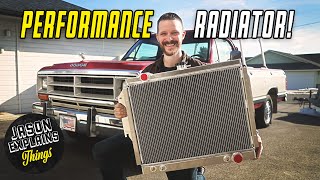
Most modern aftermarket radiators are aluminum with plastic tanks, which is a reliable and cost-effective design. Some brands like CSF offer all-metal (copper-brass) options which can be more durable and easier to repair. For most stock applications, a quality aluminum/plastic radiator is perfectly sufficient. Performance-oriented all-aluminum radiators are also available, offering better cooling but at a higher cost.
🎬 See how a performance aluminum radiator is installed in a classic Dodge.What kind of coolant should I use in my 1981-1988 B150?
For these older vehicles, a conventional "green" or "yellow" IAT (Inorganic Additive Technology) coolant is typically the correct choice. It is critical not to mix different coolant types. Always use distilled water when mixing with concentrated antifreeze; never use tap water.
Do I need to replace the radiator cap too?
Yes, it is highly recommended. A radiator cap is a pressure-relief valve that is critical for the cooling system to work correctly. A faulty cap can cause overheating or coolant loss. They are inexpensive and should be replaced with the radiator as a rule.
Helpful Videos
Technical Specifications
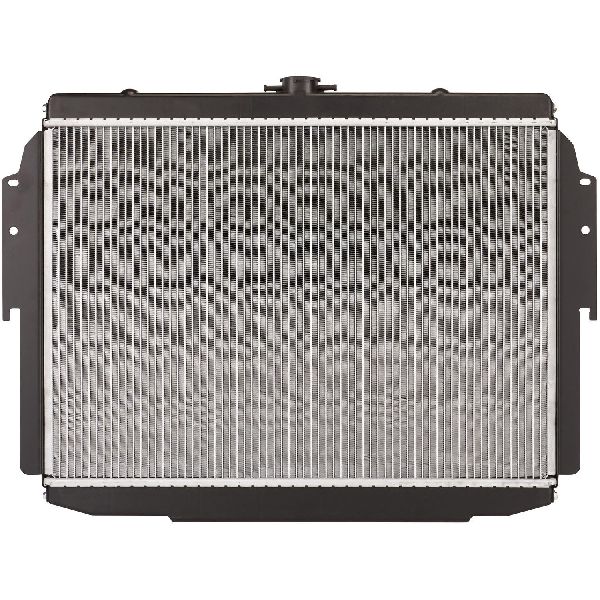
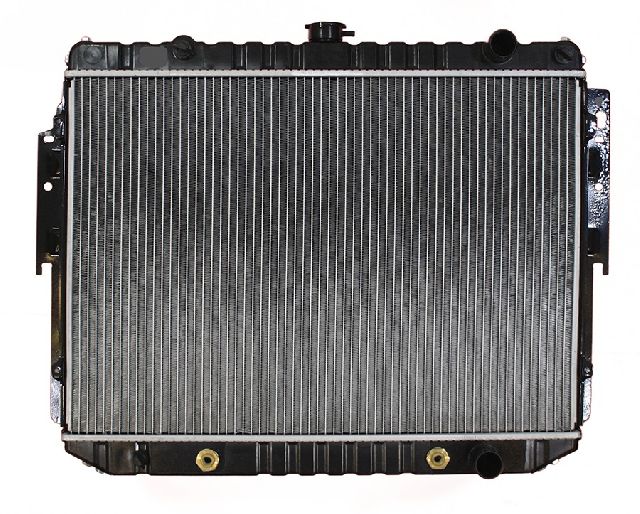
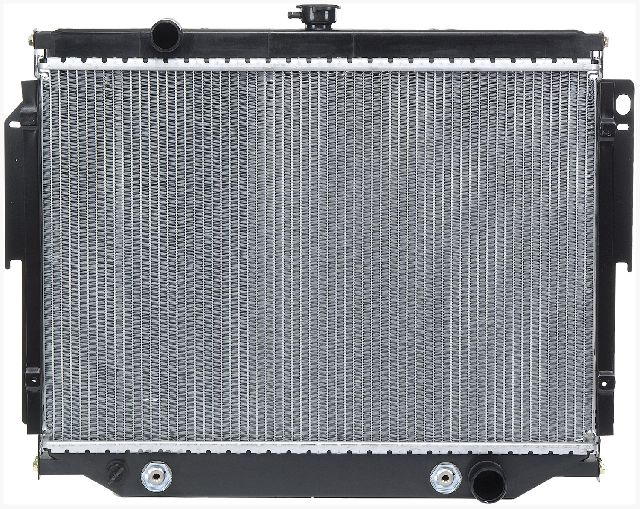
The 1981-1988 Dodge B150 uses a down-flow style radiator. Aftermarket options are available in standard OEM-style (plastic tank/aluminum core), all-metal (copper/brass), and all-aluminum performance configurations. Core construction can vary from 2-row to 4-row designs.
We Have This Part in Stock

The information in this article is provided for general reference and educational purposes only. Vehicle specifications, procedures, and part compatibility can vary by production date, trim level, and region. Always consult your vehicle's factory service manual and verify part numbers before purchasing or performing repairs. Safety-critical components such as airbags, seat belts, and braking systems should be installed by a qualified professional.
- Dodge B150: