

Dodge B150 Radiator Coolant Hose Replacement Guide (1981-1988)
Keep your classic Dodge van's engine from overheating with the right radiator hoses and proper maintenance.
- For this van, always choose a molded aftermarket hose from a reputable brand like Gates, Dayco, or Continental for the best fit.
- Before ordering, verify your van's engine size and if it has A/C, as this affects which hose you need.
- Inspect your hoses regularly for cracks, bulges, or soft spots, especially since the vehicle is over 30 years old.
- It is strongly recommended to replace both the upper and lower hoses at the same time, along with new clamps.
Signs of a Failing Radiator Hose
The rubber hoses in your B150 work in a high-heat, high-pressure environment. Over time, they will wear out. Catching a bad hose early can save you from a breakdown and a costly engine repair. Look for these warning signs:
- Coolant Leaks: The most obvious sign is a puddle of green or yellow, sweet-smelling fluid under the front of your van. You might see drips from the hose itself or white or rusty-colored crust around the hose clamps.
- Visible Damage: Squeeze the hoses when the engine is cool. If they feel spongy, soft, brittle, or crunchy, they need to be replaced. Also look for cracks, splits, or bulges, which indicate the hose is weak and could burst at any moment.
- Engine Overheating: If your van's temperature gauge starts climbing into the red, a failing radiator hose could be the cause. A collapsed or clogged hose can restrict coolant flow and lead to overheating.
- Low Coolant Light: A frequent need to top off your coolant reservoir is a strong indicator of a leak somewhere in the system, and the hoses are a common culprit.
Mechanic's Warning: Hose Collapse
The lower radiator hose on many older vehicles contains a spring to prevent it from collapsing under the suction of the water pump. If you notice your lower hose is flat or sucked inward, it needs immediate replacement. Ensure the replacement lower hose has this anti-collapse spring.
Choosing the Right Aftermarket Hose
For a vehicle from the 1980s, new Original Equipment (OEM) hoses are generally not available. Fortunately, aftermarket brands produce quality replacements that meet or exceed original standards. For your 1981-1988 Dodge B150, fitment is key.
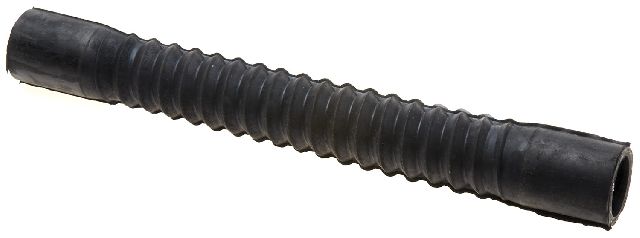
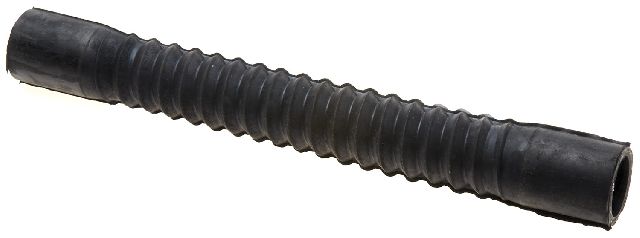
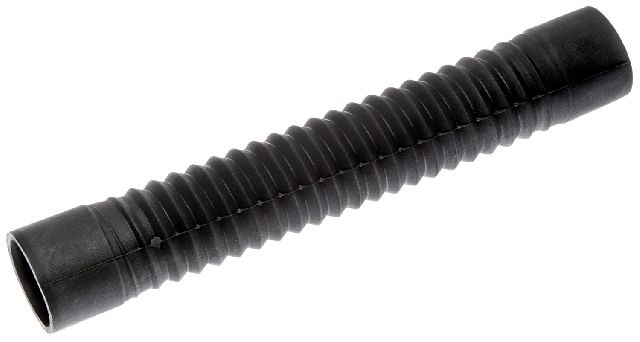
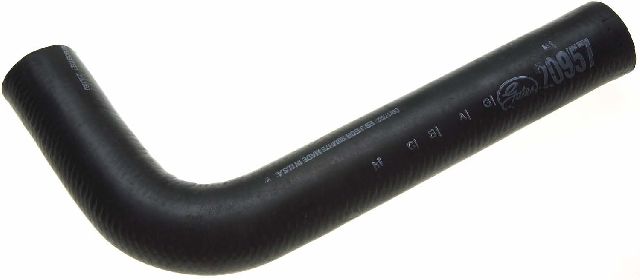
Molded vs. Flexible Hoses: Always choose a direct-fit, molded hose over a universal "flexible" one. Molded hoses are designed with the correct bends and curves for your specific van, which prevents kinks that can restrict coolant flow and puts less stress on the radiator and engine connections.
Check Your Specs: Before ordering, confirm your B150's engine (e.g., 3.7L, 5.2L V8) and whether it has air conditioning (A/C). These details often determine which hose shape you need.
Aftermarket Brand Quality
Several reputable brands make hoses for your van. Based on mechanic and owner feedback, here's a general breakdown:
- Top Tier (Gates): Gates is widely regarded as a top-quality aftermarket brand for hoses and belts. They are known for excellent material quality and proper fitment, making them a reliable choice. Many NAPA-branded parts are made by Gates.
- Reliable Alternatives (Dayco, Continental): Dayco and Continental are also well-known manufacturers that produce dependable hoses. While most find their quality to be very good, there are occasional reports of minor fitment differences compared to Gates or OEM. Either brand is a solid choice for your B150.
Pro Tip: Replace in Pairs
If one radiator hose has failed due to age, the other is likely not far behind. It's best practice to replace both the upper and lower hoses at the same time. Also, replace the hose clamps. Old clamps can lose their tension and cause leaks.
Typical Replacement Costs
The cost to replace a radiator hose on your B150 is very reasonable, especially if you do the work yourself. The job is straightforward and requires basic hand tools.
| Item | Estimated Cost |
|---|---|
| New Aftermarket Hoses (Set of 2) | $21.09 - $65.16 |
| Shop Labor | $100 - $225 |
| DIY Total | $21.09 - $65.16 |
| Shop Total | $121 - $290 |
Frequently Asked Questions
How often should I replace my radiator hoses?
As a general rule for older vehicles, it's good preventative maintenance to replace radiator hoses every 4 to 5 years, or around 50,000 miles, regardless of their appearance. For a classic van like the B150, regular inspection is key.
What kind of coolant should I use in my 1981-1988 Dodge B150?
For this vehicle generation, you should use a traditional Inorganic Acid Technology (IAT) coolant, which is typically green. Do not use modern OAT (Orange/Red) or HOAT (Pink/Purple) coolants, as they are formulated for newer vehicles with different materials. Always mix concentrated coolant with distilled water or buy a pre-mixed 50/50 solution.
Can I just replace the one hose that is leaking?
You can, but it's not recommended. Radiator hoses are exposed to the same conditions and wear out at a similar rate. If the upper hose has failed, the lower hose is likely weak as well. Replacing them in pairs is cheap insurance against a future breakdown.
Do I need to replace the hose clamps too?
Yes. It is highly recommended to use new hose clamps when replacing hoses. The old screw-type or spring-type clamps can weaken over time and may not provide a secure seal, leading to leaks. New clamps are inexpensive and ensure a tight, leak-free connection.
Technical Specifications
Hose type: Molded Rubber (EPDM). Upper and Lower hoses sold separately. Fitment varies based on engine size (3.7L, 5.2L) and A/C option. Example Aftermarket Part Numbers: Gates Lower (w/ AC): 25482; Gates Upper (w/ AC): 25480; Dayco Upper: G774ZC.
We Have This Part in Stock

The information in this article is provided for general reference and educational purposes only. Vehicle specifications, procedures, and part compatibility can vary by production date, trim level, and region. Always consult your vehicle's factory service manual and verify part numbers before purchasing or performing repairs. Safety-critical components such as airbags, seat belts, and braking systems should be installed by a qualified professional.
- Dodge B150: