

Choosing the Right Spark Plugs for Your 1981-1988 Dodge B150
Keep your classic Dodge van running smoothly with the correct set of new spark plugs.
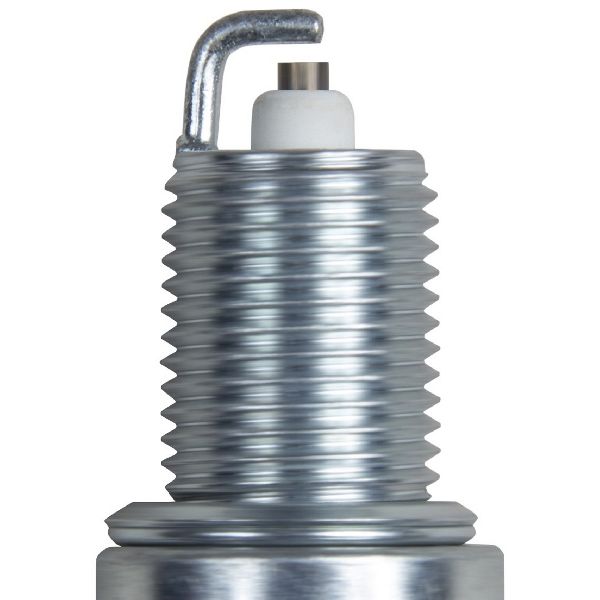
- Stick with standard copper-core spark plugs from reputable brands like Champion or NGK for the best performance and value.
- Always check and adjust the spark plug gap to 0.035 inches before installation.
- Symptoms like rough idle, poor acceleration, and reduced fuel economy often point to worn spark plugs.
- Replacing spark plugs is a simple, DIY-friendly task that can be done with basic tools in about an hour.
Signs of Failing Spark Plugs
Worn-out spark plugs can cause several noticeable problems in your B150. If you experience a rough idle, where the engine shakes or sputters at a stop, failing plugs could be the cause. You might also notice the engine hesitating or stumbling during acceleration. A significant drop in fuel economy or difficulty starting the engine, especially in cold weather, are also common symptoms. If the check engine light comes on, a code reader might show a misfire code (like P0300-P0308), which often points to a spark plug or ignition wire issue.
Choosing an Aftermarket Spark Plug
For a vehicle like the 1981-1988 Dodge B150, the original ignition system was designed for standard copper-core spark plugs. While modern plugs made of platinum or iridium are available, they are often not necessary and may not provide any significant benefit for these older engines. In fact, many experienced Mopar owners recommend sticking with the basics for reliability.
Brand & Material Tiers
| Tier | Brands | Materials & Notes |
|---|---|---|
| Standard (Recommended) | Champion, NGK, Autolite | These brands offer affordable and reliable copper-core plugs. Champion was often the original equipment manufacturer (OEM) for Mopar vehicles of this era. NGK V-Power plugs are also highly regarded by many owners for their quality and performance in these engines. Standard copper plugs should be changed more frequently, around every 10,000-15,000 miles, but their low cost makes this manageable. |
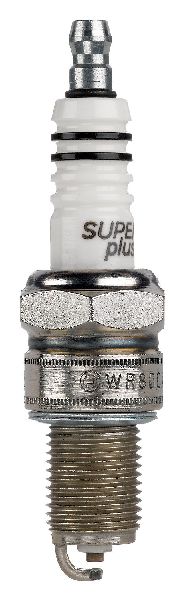
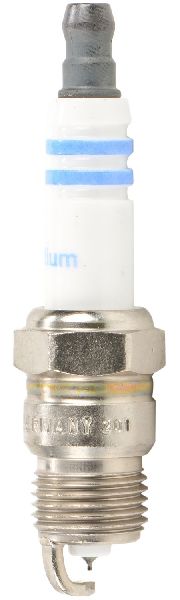
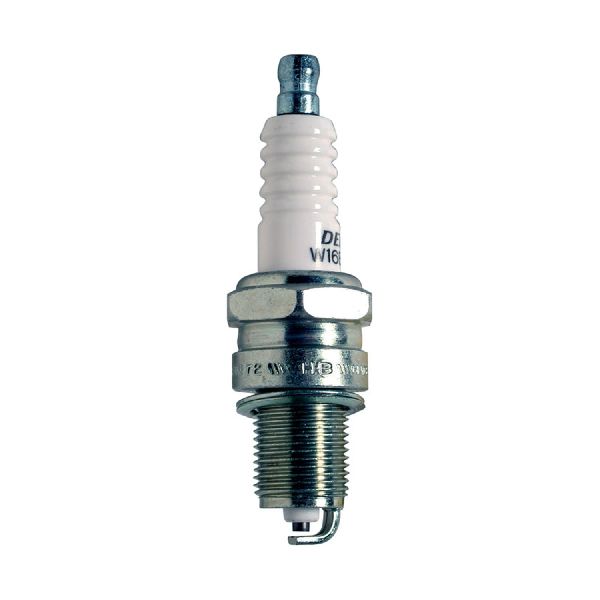
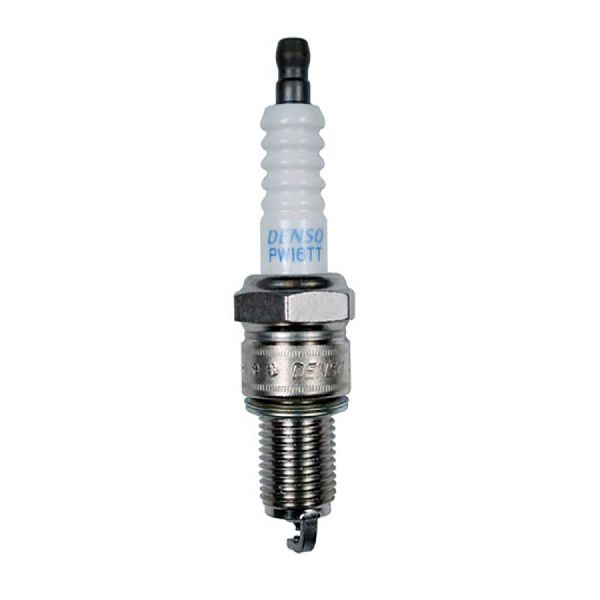
| Premium | Bosch, Denso, NGK | These brands offer platinum or iridium plugs that last longer, often up to 80,000 miles or more. While they provide a consistent spark, the performance gain on a stock B150 engine is minimal. Some owners use Bosch Platinum plugs with good results. However, it's important to ensure they are compatible, as some premium plugs are not recommended for older Mopars. Do not attempt to adjust the gap on iridium or platinum plugs, as you can damage the fine electrode. |
| Economy | Skyward, other store brands | While these are the most budget-friendly, their quality and lifespan can be inconsistent. For a critical component like a spark plug, it's generally recommended to stick with a well-known standard brand to ensure reliability and avoid potential engine performance issues. |
A Note on OEM vs. Aftermarket
For the 1981-1988 B150, the "OEM" spark plug was typically a Champion copper plug. Today's aftermarket Champion, NGK, or Autolite copper plugs are of similar or even better quality than the originals from the 1980s. You do not need to find a Mopar-branded box to get OEM performance; a standard copper plug from a reputable brand is the true equivalent and will work perfectly.
Common Issues & Recalls
There are no active recalls or common Technical Service Bulletins (TSBs) specifically for spark plugs on the 1981-1988 Dodge B150. Searches on the National Highway Traffic Safety Administration (NHTSA) website show recalls for much newer vehicles or for different components on older models. Any issues you encounter will likely be due to normal wear and tear, such as worn electrodes or cracked insulators from age.
Pro Tip: Check the Gap!
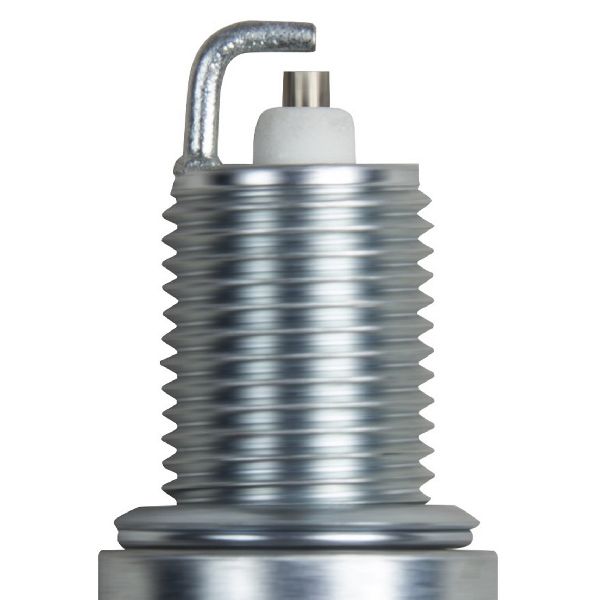
Always check the spark plug gap before installation, even if the box says they are "pre-gapped." The correct gap for your B150's engine (whether the 3.7L Slant-Six, 5.2L V8, or 5.9L V8) is critical for performance. A common gap setting for these engines is 0.035 inches. Use a feeler gauge or gapping tool to measure and gently adjust the ground electrode to the correct specification found in your owner's manual or a reliable repair guide.
Frequently Asked Questions (FAQ)
How often should I replace the spark plugs on my Dodge B150?
If you are using standard copper-core plugs (which is recommended), a good interval is every 10,000 to 15,000 miles. This ensures your van continues to run efficiently. If you opt for more expensive platinum or iridium plugs, they can last much longer, but frequent changes of copper plugs often yield the best, most consistent performance for these vintage engines.
Should I use anti-seize on the new spark plug threads?
This is a topic of debate. Some mechanics apply a very small amount to the threads to prevent them from seizing in the cylinder head. However, many modern spark plugs from brands like NGK have a special plating that provides anti-seize properties, and they recommend NOT using additional compound. If you do use it, reduce the torque setting by about 10-15% to avoid over-tightening.
What is a spark plug non-fouler and do I need one?
A spark plug non-fouler is an adapter that moves the spark plug further out of the combustion chamber. It's typically used as a temporary fix on older, worn engines that burn a lot of oil, which can "foul" the plug. If your engine is in good health, you do not need a non-fouler. Using one on a healthy engine can actually harm performance.
Can I use platinum or iridium plugs in my old van?
You can, but it's often not worth the extra cost. The ignition systems in these older vans were not designed for the specific requirements of precious metal plugs. Many owners find that their vans run best on the simple, inexpensive copper plugs they were designed for. Some owners have reported success with them, but standard copper plugs are the safe, reliable choice.
Technical Specifications
OEM Part Numbers: RN12YC RN14YC RV15YC4 RV17YC
The most common specification for the V8 and L6 engines in this van is a standard copper-core plug with a 14mm thread, tapered seat, and a gap of 0.035 inches. Always verify the specific plug number for your engine (e.g., RN12YC for the 5.2L V8).
We Have This Part in Stock

The information in this article is provided for general reference and educational purposes only. Vehicle specifications, procedures, and part compatibility can vary by production date, trim level, and region. Always consult your vehicle's factory service manual and verify part numbers before purchasing or performing repairs. Safety-critical components such as airbags, seat belts, and braking systems should be installed by a qualified professional.
- Dodge B150: