

Choosing the Right Carburetor for Your 1981-1988 Dodge B350
Solve stalling, hard starts, and poor performance on your classic Dodge van with a new or remanufactured carburetor.
- Verify your B350's engine size (5.2L/318 or 5.9L/360) and original carburetor type (2-barrel or 4-barrel) before ordering a replacement.
- Your main choices are a direct-fit remanufactured carburetor (like Uremco) or a new performance carburetor (like Edelbrock) which may require minor modifications.
- Before replacing the carburetor, always check for cracked vacuum hoses or leaks at the base gasket, as these can mimic carburetor failure symptoms.
- Be wary of extremely cheap, unbranded carburetors, as they often have significant quality control problems that can make them unusable.
Is Your B350's Carburetor Failing?
A worn-out carburetor can cause a host of problems that make your van unreliable. Because these vehicles are now several decades old, the original carburetors are often at the end of their service life. Gaskets dry out, internal passages get clogged, and moving parts wear down.
Common Symptoms Include:
- Hard Starting: The engine cranks for a long time before starting, especially after sitting for a few days. This is often due to the fuel in the carburetor bowl evaporating.
- Rough Idle & Stalling: The engine idles unevenly or stalls at stop lights. This can be caused by clogged idle circuits or vacuum leaks.
- Hesitation or Bogging: When you press the gas pedal, the van stumbles or loses power before accelerating. This often points to a problem with the accelerator pump.
- Black Exhaust Smoke: Black smoke from the tailpipe indicates the engine is running too rich, meaning it's getting too much fuel and not enough air.
- Poor Fuel Economy: If you notice you're filling up the tank more often, a failing carburetor could be wasting fuel.
Check for Vacuum Leaks First
Before you replace the carburetor, it's wise to check for vacuum leaks. Cracked or disconnected vacuum hoses can cause symptoms very similar to a bad carburetor, like a rough or high idle. A simple inspection or test can save you from replacing a part you don't need.
Choosing the Right Aftermarket Carburetor
For a vehicle from the 1980s, finding a brand-new OEM carburetor is not a realistic option. Your choices will be between remanufactured units and new aftermarket carburetors.
Tier 1: Remanufactured (Uremco)
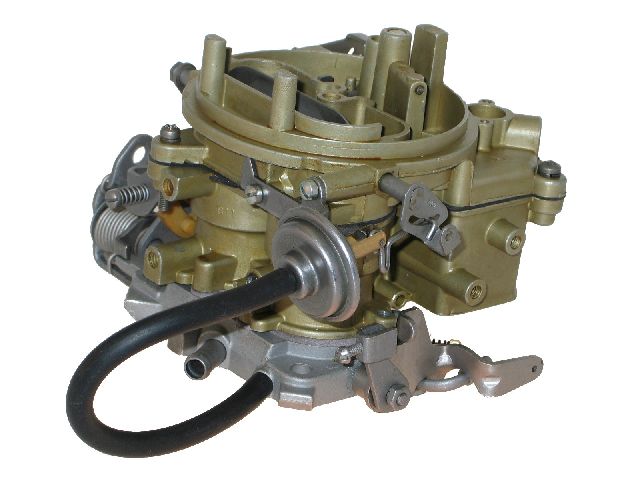
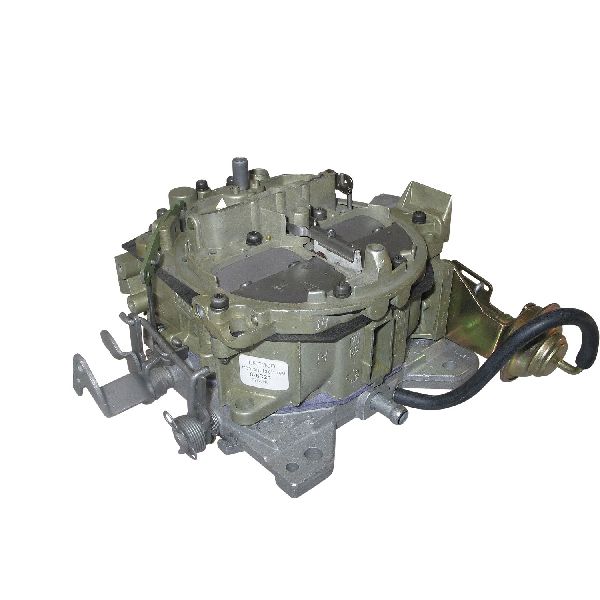
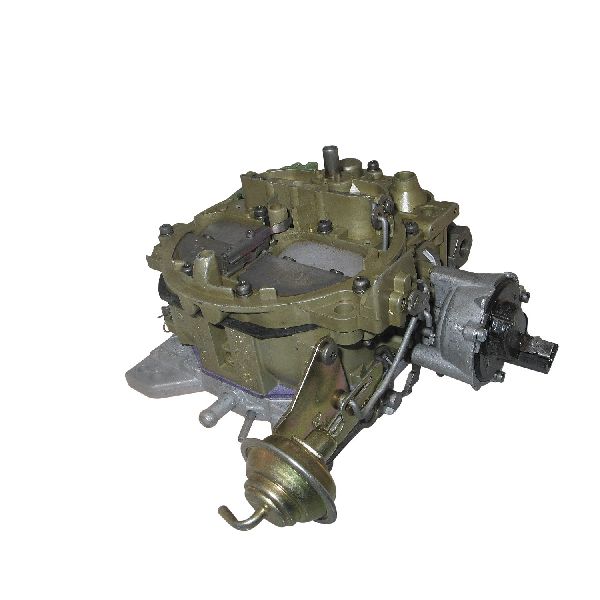
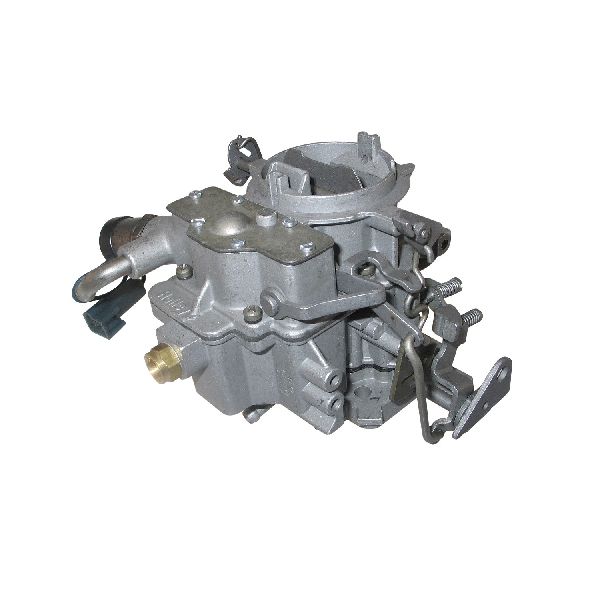
A remanufactured carburetor is an original unit that has been professionally disassembled, cleaned, and rebuilt with new wear parts like gaskets, seals, and needle-and-seat assemblies. Uremco is a primary supplier of remanufactured carburetors for the Dodge B350.
- Pros: Designed to be a direct, bolt-on replacement that matches original factory specifications. No modifications are usually needed.
- Cons: Quality can be inconsistent. While many units work perfectly out of the box, some buyers report receiving carburetors with issues like leaks or improper assembly. These typically require a "core charge," a deposit that is refunded when you send your old carburetor back.
Tier 2: New Performance Aftermarket (Edelbrock)
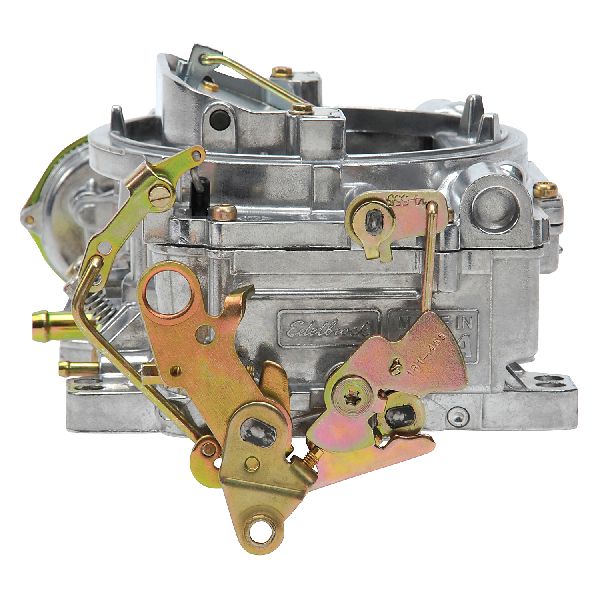
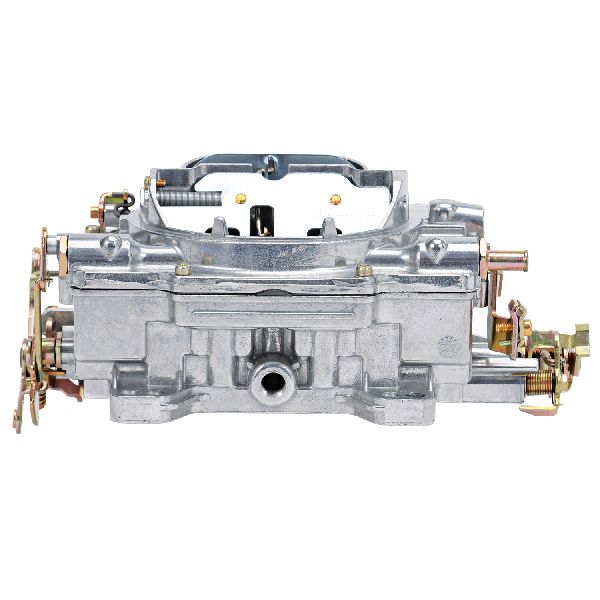
Brands like Edelbrock offer brand-new carburetors that are often considered an upgrade over the original design. They are known for reliable performance and simpler construction, which can make them easier to tune and service.
- Pros: High-quality construction, potential for improved performance, and readily available parts.
- Cons: May require an adapter plate to fit the stock intake manifold and may need adjustments to the throttle linkage. They will also require tuning (adjusting jets, metering rods, and idle mixture) to run perfectly with your specific engine.
A Word on Budget Carburetors
You may see very cheap, unbranded new carburetors online, often designed to look like popular brands like Edelbrock. It is generally recommended to avoid these. They often suffer from poor quality control, use inferior materials, and can be impossible to tune correctly, causing more problems than they solve.
Known Issues, Recalls, and Service Bulletins
While there are no widespread carburetor recalls for the 1981-1988 Dodge B350, a couple of technical documents are worth noting:
- 1981 Recall (81V055000): Some 1981 Chrysler/Dodge vehicles were recalled for issues that could cause stalling or hesitation due to a poor electrical ground on the fuel bowl vent solenoid or a sticking oxygen feedback solenoid on computer-controlled carburetors.
- 1987 TSB (14-04-87): A Technical Service Bulletin was issued for 1987 models with the Holley 2280 2-barrel carburetor. It revised the official service manual procedures for adjusting the accelerator pump and bowl vent valve.
Frequently Asked Questions (FAQ)
Do I need to tune a new aftermarket carburetor?
Yes. While many are set up to run reasonably well out of the box, final tuning is almost always required to get the ideal performance, idle quality, and fuel mixture for your specific engine and climate. This involves adjusting the idle speed, air/fuel mixture screws, and potentially changing jets or metering rods.
What is a "core charge"?
A core charge is a deposit you pay when buying a remanufactured part like a Uremco carburetor. The "core" is your old, rebuildable part. You get the deposit back when you return your old carburetor to the seller. This ensures a steady supply of old parts for remanufacturers to rebuild.
How do I know if I have a 2-barrel or 4-barrel carburetor?
Look down the top of the carburetor with the air cleaner removed. If you see two large holes (barrels or venturis), you have a 2-barrel. If you see four, you have a 4-barrel. The 5.9L (360) V8 was more commonly equipped with a 4-barrel (like a Rochester Quadrajet), while the 5.2L (318) often had a 2-barrel (like a Holley 2280 or Carter BBD). Always verify what is on your specific van before ordering.
Should I rebuild my original carburetor myself?
If you are mechanically inclined, rebuilding your original carburetor can be a cost-effective option. Rebuild kits are available and contain new gaskets, seals, and other small parts. However, it can be a complex job. If the carburetor body is warped or internal components are excessively worn, a simple rebuild kit may not solve the problem.
Technical Specifications
Common Engines: 5.2L (318 cid) V8, 5.9L (360 cid) V8. Common Original Carburetor Types: Holley 2280 (2-bbl), Carter BBD (2-bbl), Rochester Quadrajet (4-bbl). Note: 1987 models may be subject to TSB 14-04-87 regarding Holley 2280 adjustments.
We Have This Part in Stock

The information in this article is provided for general reference and educational purposes only. Vehicle specifications, procedures, and part compatibility can vary by production date, trim level, and region. Always consult your vehicle's factory service manual and verify part numbers before purchasing or performing repairs. Safety-critical components such as airbags, seat belts, and braking systems should be installed by a qualified professional.
- Dodge B350:
- 🛍️ Shop This Part
- Is Your B350's Carburetor Failing?
- Check for Vacuum Leaks First
- Choosing the Right Aftermarket Carburetor
- Tier 1: Remanufactured (Uremco)
- Tier 2: New Performance Aftermarket (Edelbrock)
- A Word on Budget Carburetors
- Known Issues, Recalls, and Service Bulletins
- Frequently Asked Questions (FAQ)
- 🎟️ Get 5% Off