

Dodge D350 Radiator Coolant Hose Guide: 1981-1988
Keep your classic Dodge D350's engine from overheating by knowing when and how to replace its radiator hoses.
- Inspect radiator hoses at every oil change for cracks, swelling, or leaks.
- If one hose is bad, replace both the upper and lower hoses and the clamps at the same time.
- A sweet smell or puddles of colored fluid are clear signs of a coolant leak that needs immediate attention.
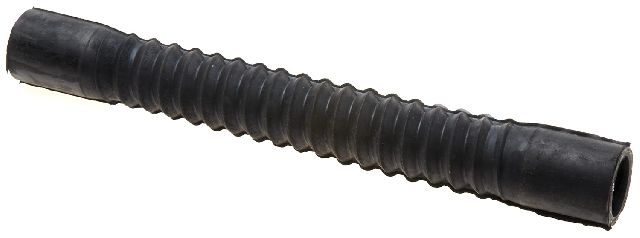
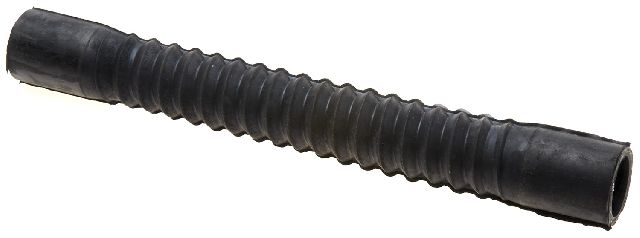
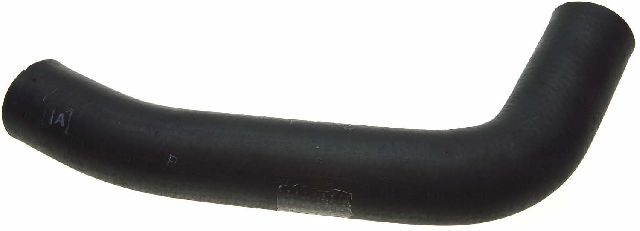
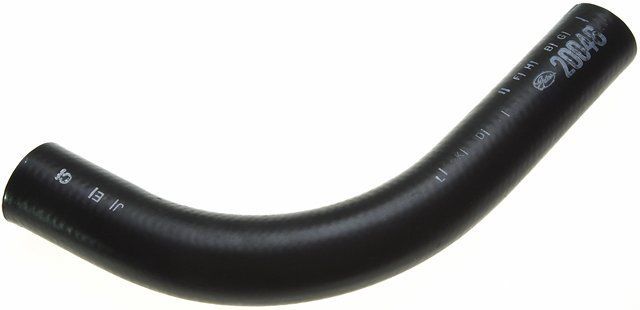
- Both Dayco and Gates are reliable aftermarket brands for your D350.
Signs of a Failing Radiator Hose
After decades of use, the original rubber hoses on your D350 are likely ready for replacement. Heat, pressure, and exposure to engine bay chemicals cause them to wear out. Catching a bad hose early can save you from a breakdown. Look for these warning signs:
- Visible Cracks or Damage: Inspect the hoses for cracks, splits, or holes. Over time, the rubber becomes brittle and can break.
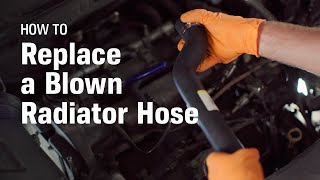
- Bulging or Swelling: If a hose looks swollen or feels spongy, it's a sign of internal failure, often caused by oil contamination. A swollen hose can burst without warning. 🎬 Watch this guide on how to replace a blown radiator hose.
- Coolant Leaks: Puddles of bright green, pink, or orange fluid under your truck are a sure sign of a leak. Check where the hoses connect to the radiator and engine, as clamps can loosen over time.
- Engine Overheating: If your temperature gauge is climbing, a leaking or collapsed hose could be the cause. A collapsed hose restricts coolant flow, leading to overheating.
- Sweet Smell: If you notice a sweet, syrupy smell around your truck after it's been running, it's likely burning coolant leaking from a faulty hose onto a hot engine part.
Critical Warning
If your engine is overheating, pull over immediately and shut it off. Driving with an overheating engine can cause catastrophic damage, including warped cylinder heads and complete engine failure.
Choosing the Right Aftermarket Hose
For a vehicle from the 1981-1988 model years, finding original equipment (OEM) hoses is nearly impossible. Fortunately, modern aftermarket hoses from reputable brands offer excellent quality and durability, often exceeding the standards of the original parts. The rubber compounds used today, like EPDM, are more resistant to heat, oil, and ozone.
When choosing between available brands like Dayco and Gates, both are considered reliable choices by mechanics. Some users report that Gates hoses can be of slightly higher quality with better fitment, while others prefer Dayco, noting they can sometimes be thicker. Ultimately, either brand will likely provide a long service life. The most important factor is ensuring the part number is correct for your specific D350 engine and year to guarantee a perfect fit without kinking or rubbing.
Pro Tip: Replace in Pairs
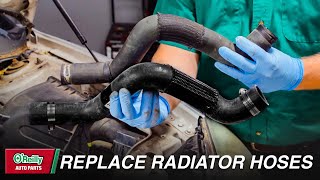
If one hose has failed due to age, the other is not far behind. It is highly recommended to replace both the upper and lower radiator hoses at the same time. 🎬 See how to replace both upper and lower radiator hoses. Also, always use new hose clamps; the old ones can lose their tension and cause leaks.
Cost of Replacing a Radiator Hose
| Part Type | Cost Range |
|---|---|
| New Aftermarket (Dayco, Gates) | $22.80 - $44.28 |
| Shop Labor | $100 - $200 |
Frequently Asked Questions
How often should I replace my radiator hoses?
As a rule of thumb for older vehicles, it's good practice to replace radiator hoses every 4 to 5 years or around 50,000 miles as preventative maintenance, even if they don't show signs of failure. For a classic truck like the D350, age is a bigger factor than mileage.
Should I replace the hose clamps too?
Yes, absolutely. Old hose clamps, especially the original spring-style clamps, can lose their tension over time. Worm-drive clamps can rust and become weak. New clamps are inexpensive and ensure a tight, leak-free seal on your new hoses.
What kind of coolant should I use in my 1981-1988 D350?
For this era of vehicle, a conventional "green" coolant with Inorganic Additive Technology (IAT) is typically the correct choice. Always consult your owner's manual or a reliable service guide to confirm the proper coolant type to prevent damage to your cooling system.
Is replacing a radiator hose a difficult job?
No, for most DIY mechanics, this is a relatively simple job. It requires basic hand tools, a drain pan to catch the old coolant, and allowing the engine to cool down completely before starting. The main steps involve draining the coolant, removing the old clamps and hoses, installing the new parts, and then refilling and bleeding the air from the system.
Helpful Videos
Technical Specifications
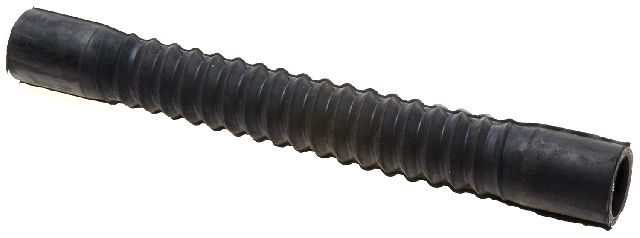
Hoses are made from EPDM rubber (Ethylene Propylene Diene Monomer) which resists heat, ozone, and chemical degradation. Hoses are vehicle-specific and molded to fit the unique layout of the D350 engine bay.
We Have This Part in Stock

The information in this article is provided for general reference and educational purposes only. Vehicle specifications, procedures, and part compatibility can vary by production date, trim level, and region. Always consult your vehicle's factory service manual and verify part numbers before purchasing or performing repairs. Safety-critical components such as airbags, seat belts, and braking systems should be installed by a qualified professional.
- Dodge D350: