

Ford F-150 Engine Mount Guide (1981-1988)
Stop excessive engine vibration and clunking noises in your classic F-150.
- Bad mounts cause vibrations and clunking noises.
- Replacing mounts is a DIY-friendly job that takes about 1-2 hours.
- Always replace engine mounts in pairs and consider replacing the transmission mount at the same time.
- For a daily driver, standard rubber mounts from brands like Pioneer offer a good balance of quality and value.
Is Your F-150's Engine Shaking or Clunking?
The engine mounts on the 1981-1988 F-150 are known to wear out. The original rubber deteriorates from age, heat, and oil exposure. When they fail, you'll notice it. Common signs include a heavy vibration felt in the floor or steering wheel, especially at idle. You might also hear a loud clunk or thud when you accelerate, brake, or shift gears. This sound is the engine moving too much and hitting other parts. In severe cases, the engine can move so much that the exhaust manifold hits the frame.
🎬 Watch: How to diagnose those bumps, thuds, and vibrations.Choosing the Right Aftermarket Mount
Since these trucks are classics, genuine Ford OEM parts are likely unavailable or very expensive. The good news is that aftermarket mounts are affordable and widely available. However, quality can vary between brands. Based on owner feedback and mechanic experience, here's a general breakdown of the available brands:
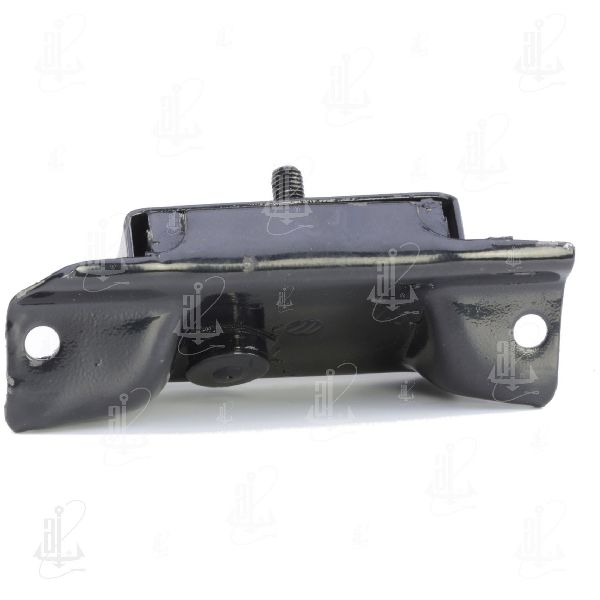
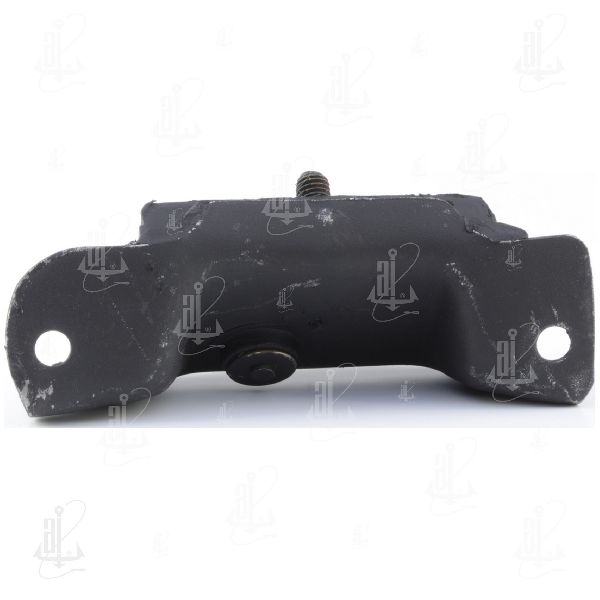
- Good - Economy Choice (Anchor, DEA, Westar): These brands are very affordable and readily available. They are often considered a budget-friendly option for a standard daily driver. Some users report they work fine for years, while others have experienced premature failure or poor fitment. They are a workable solution if cost is the primary concern, but don't expect the same longevity as a premium part.
- Better - OE-Style Quality (Pioneer): Some forum users have noted that Pioneer mounts offer a better fit and finish compared to the economy brands, looking closer to the original factory mounts. If you're looking for a step up in quality without a huge price jump, this brand is worth considering.
Pro Tip: Replace in Pairs
It's highly recommended to replace both engine mounts at the same time, even if only one has failed. The new mount will be stiffer than the remaining old one, which can put extra stress on it and cause it to fail sooner. Also, consider replacing the transmission mount at the same time for a complete refresh of your truck's drivetrain stability.
🎬 See this walkthrough of installing mounts on an old F-150.Known Issues, Recalls, and Bulletins
Searches for official recalls or Technical Service Bulletins (TSBs) from the National Highway Traffic Safety Administration (NHTSA) for engine mounts on the 1981-1988 Ford F-150 came up empty. Any issues with these mounts are typically due to age and normal wear and tear rather than a specific manufacturing defect. Some owners of trucks with the 300ci inline-six engine, which produces significant torque, report a higher rate of failure, especially on the passenger side mount when the truck is used for heavy work.
| Item | Estimated Cost |
|---|---|
| New Aftermarket Engine Mount (Single) | $18.66 - $74.53 |
| Shop Labor | $150 - $300 |
| Total Professional Replacement (Pair) | $190 - $450 |
Frequently Asked Questions
How do I know if my F-150's engine mounts are bad?
The most common symptoms are excessive vibration at idle, a loud clunking or thudding noise when you accelerate or shift gears, and visible engine movement if you have someone watch the engine while you briefly put the truck in gear with the brakes on.
Is it difficult to replace the engine mounts myself?
For a mechanically inclined person with the right tools, it's a manageable job. It requires safely supporting the engine with a jack and a block of wood, unbolting the old mounts, and installing the new ones. Access can be tight, but it doesn't typically require special tools. The job can take about an hour or two.
🎬 Watch: A helpful guide on how to replace motor mounts.Should I use rubber or polyurethane mounts?
For most owners, standard rubber mounts are the best choice. They provide the best vibration absorption for a comfortable ride. Polyurethane mounts are much stiffer and are designed for high-performance or heavy-duty off-road use. While they are more durable, they will transfer significantly more engine vibration into the cab, making for a harsher ride.
What happens if I don't replace a bad engine mount?
Ignoring a bad engine mount can lead to more serious problems. The constant movement can damage other components like cooling hoses, wiring, and exhaust parts. In a worst-case scenario, catastrophic failure of the mounts could allow the engine to shift enough to cause a loss of vehicle control.
Helpful Videos

Technical Specifications
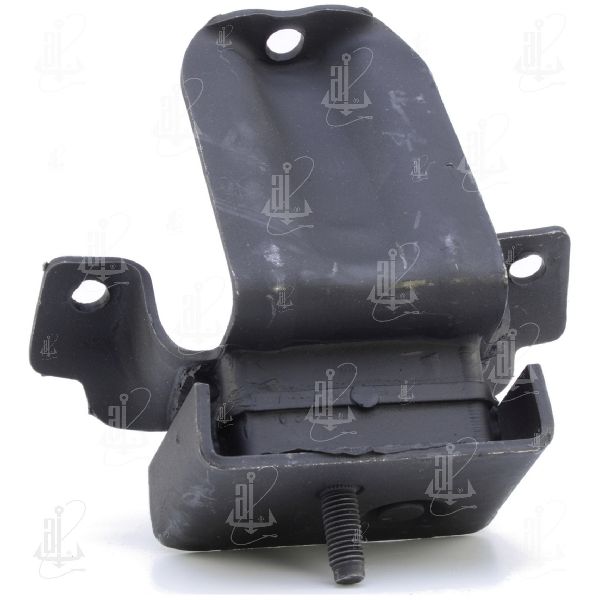
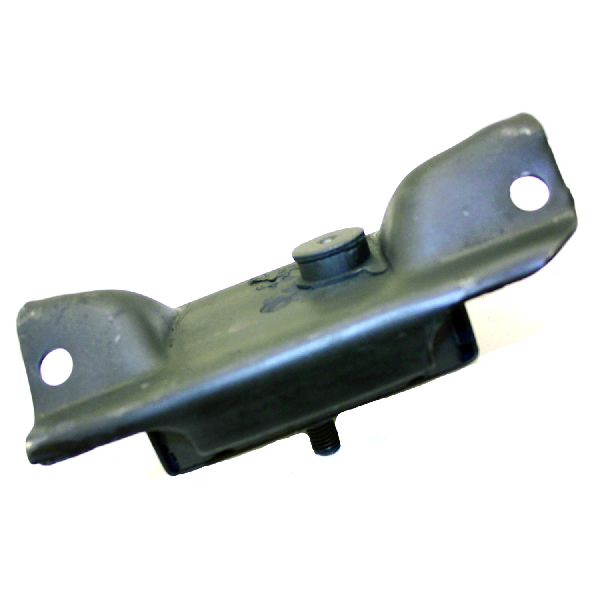
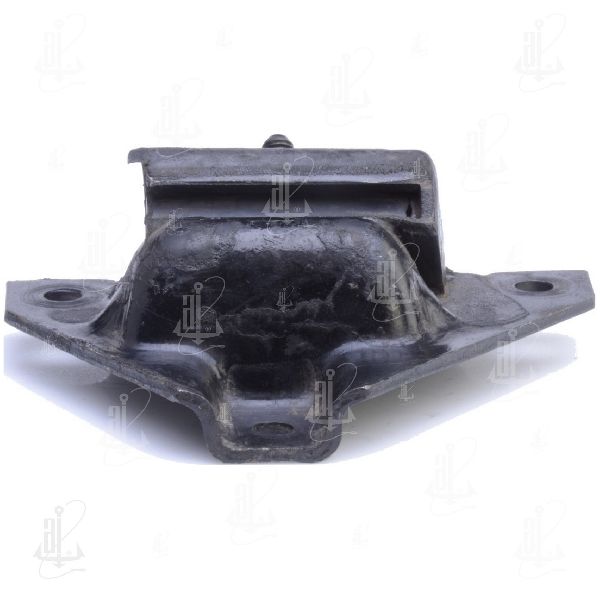
The primary components are a steel frame bracket, a steel engine bracket, and a vulcanized rubber insulator that joins them. The design is a simple, non-hydraulic, captive style mount.
We Have This Part in Stock


The information in this article is provided for general reference and educational purposes only. Vehicle specifications, procedures, and part compatibility can vary by production date, trim level, and region. Always consult your vehicle's factory service manual and verify part numbers before purchasing or performing repairs. Safety-critical components such as airbags, seat belts, and braking systems should be installed by a qualified professional.
- Ford F-150: