

Ford F-150 Ignition Control Module Guide for 1981-1988 Models
Solve stalling and no-start problems by learning about the ignition module in your 1981-1988 Ford F-150.
- The most common sign of failure is the engine stalling when hot and restarting after it cools down.
- This part is for the DuraSpark II system; do not confuse it with the later TFI modules.
- Always apply the included heat sink grease to the back of the new module to prevent it from overheating.
- If a new module doesn't solve your no-spark issue, the pickup coil inside the distributor is the next most likely cause.
Is Your F-150 Stalling When Hot? It Could Be the Ignition Module
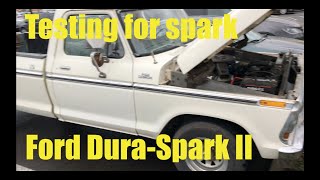
If you own a 1981 to 1988 Ford F-150, you have the DuraSpark II ignition system. 🎬 Watch: A complete troubleshooter for the DuraSpark II system. A common part to fail on these trucks is the ignition control module. The most classic symptom is the engine dying after it warms up. You'll be driving along, and the engine will suddenly shut off as if you turned the key. After letting it cool down for 30-60 minutes, it often starts right back up.
This happens because heat is the number one killer of these modules. As the electronics inside get hot, they fail. When they cool down, they start working again, but the problem will only get worse over time.
Choosing the Right Aftermarket Ignition Module
For a truck of this age, finding an original Ford (Motorcraft) part can be difficult. You will likely be buying an aftermarket part. The two main brands available are Delphi and Standard Ignition (also known as SMP). Both are established companies that make a wide range of auto parts.
Pro Tip: Many long-time Ford truck owners recommend carrying a spare ignition module in the glove box. Since they can fail without warning, having a spare can prevent you from being stranded.
When it comes to aftermarket electronics, quality can sometimes be inconsistent compared to the original part. Some owners report having to try more than one aftermarket brand to find one that works reliably. However, for this specific part, both Delphi and Standard Ignition are reputable choices in the aftermarket space. The most critical factor for ensuring a long life for your new module is proper installation, especially the use of heat-dissipating grease.
Cost of Replacing an F-150 Ignition Control Module
The cost to replace your ignition module will depend on the brand you choose and whether you do the work yourself or hire a mechanic. The job is simple enough for most DIYers.
| Part or Service | Estimated Cost |
|---|---|
| New Aftermarket Module (Delphi, Standard Ignition) | $94.22 - $110.55 |
| Shop Labor | $50 - $100 |
| Total Estimated Cost (Shop) | $144 - $211 |
Frequently Asked Questions
Where is the ignition module located on my 1981-1988 F-150?
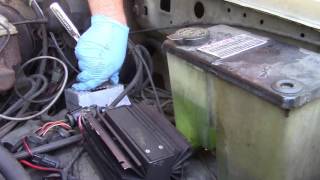
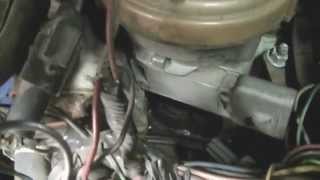
On most F-150s from this era, the ignition module is a silver box bolted to the driver's side inner fender well, often near the battery or the hood hinge. Some later or different models might have it mounted directly on the side of the distributor, 🎬 Watch: How to replace a distributor-mounted TFI module. which is harder to get to.
Can I test my old ignition module?
Some auto parts stores used to offer free testing for these modules, but that service is rare now. A common driveway test for a heat-related failure is to carefully pour cool water on the module when the engine stalls and won't restart. If it starts up immediately after being cooled, the module is almost certainly bad.
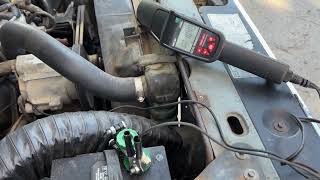
🎬 See this video for more ways to test the module.Do I need any special tools for the replacement?
For the common fender-mounted module, you only need a basic socket wrench (often 7/16") to remove the two bolts. If your module is on the distributor, you will need a special thin-walled socket (around 5.5mm or 7/32") to reach the bolts.
What is the most common mistake when replacing this part?
The biggest mistake is not applying a layer of dielectric grease or thermal compound to the metal back of the new module before bolting it on. This grease helps transfer heat away from the module to the fender, preventing it from overheating and failing prematurely. New modules often come with a small packet of this grease.
Could something else cause the same symptoms?
Yes. A failing pickup coil (also called a stator or PIP sensor) inside the distributor can cause the exact same symptoms, including stalling when hot. If a new ignition module doesn't fix the issue, the pickup coil is the next part to check.
Helpful Videos
Technical Specifications
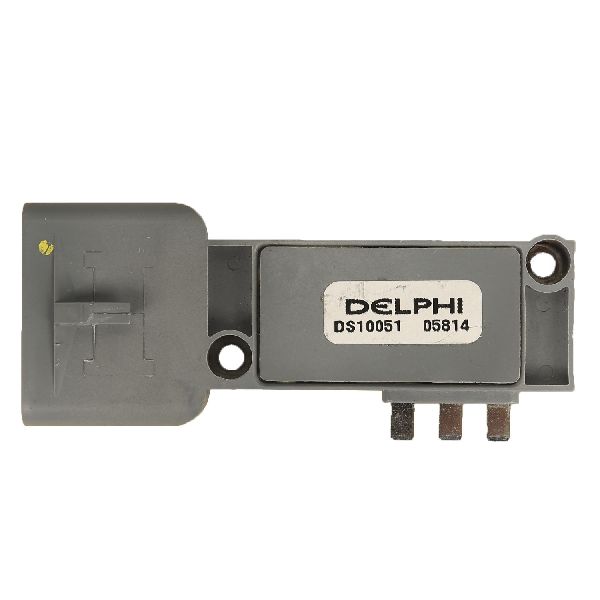
OEM Part Numbers: D9VZ-12A199-A E1FZ-12A199-A E8PF-12A199-AA E9VZ-12A199-A DY184
This is a DuraSpark II module, typically identified by a blue plastic grommet where the wires enter the housing. It uses a 4-pin and a 2-pin connector.
We Have This Part in Stock


The information in this article is provided for general reference and educational purposes only. Vehicle specifications, procedures, and part compatibility can vary by production date, trim level, and region. Always consult your vehicle's factory service manual and verify part numbers before purchasing or performing repairs. Safety-critical components such as airbags, seat belts, and braking systems should be installed by a qualified professional.
- Ford F-150: