

Guide to Radiator Coolant Hose Replacement for the 1981-1988 GMC Brigadier
Keep your Brigadier's heavy-duty engine cool and prevent costly breakdowns by understanding and choosing the right radiator hoses.
- Inspect hoses regularly for cracks, swelling, or soft spots; replacement is preventative maintenance on these older trucks.
- If one hose fails, replace both the upper and lower hoses, along with the clamps, to ensure system reliability.
- Gates, Dayco, and Continental are all reputable aftermarket brands that offer quality replacements.
- Verify your truck's specific configuration (hood type, turbo) before ordering, as it can affect which hose is needed.
Signs of a Failing Radiator Hose
A failed radiator hose on a GMC Brigadier can lead to rapid overheating and serious engine damage. Due to the age of these trucks, regular inspection is critical. Look for these warning signs:
- Coolant Leaks: Puddles of green, orange, or pink fluid under the front of your truck are a clear sign of a leak. Coolant has a distinct sweet smell. Check for wet spots or crusty residue around the hose clamps and connections.
- Engine Overheating: If your temperature gauge climbs into the red, it could be due to a lack of coolant circulation from a bad hose. Steam from the engine bay is a critical warning.
- Visible Hose Damage: Squeeze the hoses when the engine is cool. They should be firm. If they feel soft, spongy, or mushy, the internal structure is failing. Also, look for cracks, splits, bulges, or swelling, which indicate the hose is weak and could burst.
- Collapsed Lower Hose: The lower radiator hose is under vacuum and can collapse inward if it becomes weak or if its internal support spring fails. A collapsed hose will restrict coolant flow and cause overheating.
Immediate Action Required
If you notice a significant coolant leak or your engine is overheating, pull over and shut down the engine as soon as it is safe. Driving a Brigadier with a compromised cooling system can lead to catastrophic engine failure, such as a blown head gasket or a cracked block.
Choosing the Right Aftermarket Hose
Original Equipment (OEM) hoses for the GMC Brigadier are likely discontinued due to the vehicle's age. Fortunately, several reputable aftermarket brands produce high-quality replacement hoses that meet or exceed original specifications. The key is choosing a quality part, as the reliability of your truck depends on it.
Aftermarket Brand Tiers
| Brand | General Reputation & Notes |
|---|---|
| Gates | A well-regarded brand in the industry. Often praised for correct fitment and cataloging. Some users feel the quality isn't what it once was, but it remains a top choice for reliability. Gates hoses are engineered to resist electrochemical degradation, a leading cause of hose failure. |
| Dayco | Another quality manufacturer. Some mechanics note that Dayco hoses can feel slightly thicker than other brands. While most find them reliable, there have been occasional reports of fitment issues, so it's wise to compare the new hose to the old one before installation. |
| Continental (ContiTech) | A major OEM supplier and a strong aftermarket brand. Continental hoses are known for their quality materials and construction, making them a solid choice for a heavy-duty application like the Brigadier. |
Pro Tip: Check the Hood and Engine Type
When ordering, be aware that different hoses may be required depending on your Brigadier's configuration, such as whether it has a steel or fiberglass hood, or if the engine is turbocharged. Always verify the part details match your specific truck.
Frequently Asked Questions
Should I replace both the upper and lower hoses at the same time?
Yes. Both hoses have been exposed to the same heat, pressure, and age. If one is failing, the other is likely near the end of its life as well. Replacing them together is a smart preventative measure that saves you from doing the job twice.
Do I need to replace the hose clamps?
Yes, it is highly recommended. Old clamps can lose their tension or corrode, leading to leaks even with a new hose. Using new, high-quality clamps ensures a secure seal. Gates specifically recommends replacing clamps when a new hose is installed.
What is the internal spring in the lower hose for?
The lower radiator hose is on the suction side of the water pump. The spring prevents the hose from collapsing under vacuum, which would block coolant flow. If your new hose does not include a spring, and the old one did, you may need to transfer the old spring to the new hose if it's in good condition.
Are there any recalls on the GMC Brigadier radiator hose?
No specific recalls or Technical Service Bulletins (TSBs) were found for the radiator hoses on the 1981-1988 GMC Brigadier. Failures are typically due to the age and wear of the rubber components rather than a specific manufacturing defect.
Technical Specifications
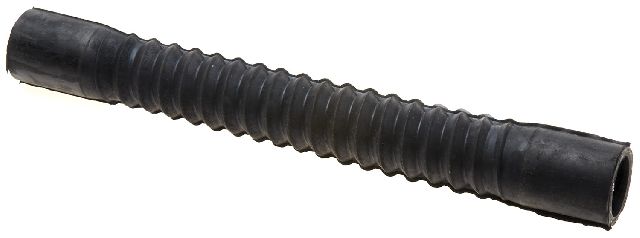
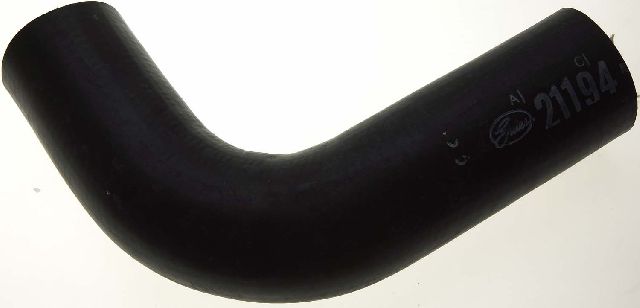
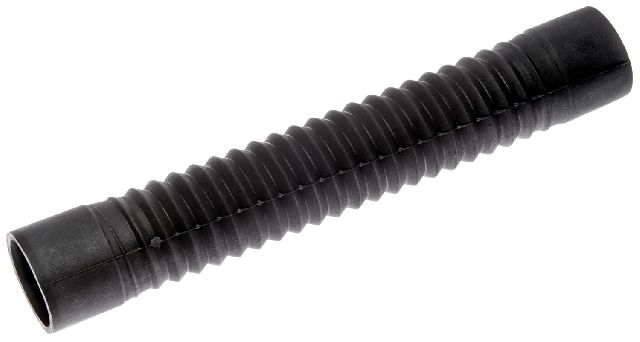
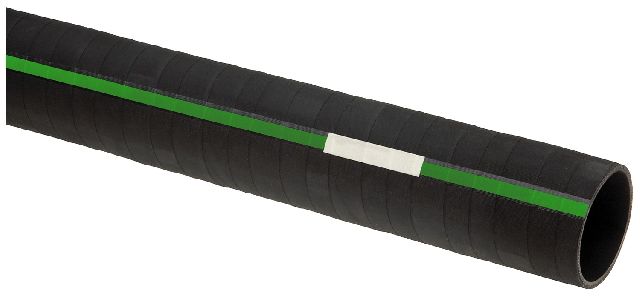
Hose material is typically EPDM rubber with synthetic fiber reinforcement to resist heat, ozone, and chemical degradation. Lower hoses may contain an internal spring to prevent collapse under vacuum. Hoses are molded to fit specific engine and chassis configurations.
We Have This Part in Stock

The information in this article is provided for general reference and educational purposes only. Vehicle specifications, procedures, and part compatibility can vary by production date, trim level, and region. Always consult your vehicle's factory service manual and verify part numbers before purchasing or performing repairs. Safety-critical components such as airbags, seat belts, and braking systems should be installed by a qualified professional.
- GMC Brigadier: