

Choosing the Right Disc Brake Pads for Your 1981-1988 Nissan Maxima
Keep your classic Maxima stopping safely and quietly with the correct new aftermarket brake pads.
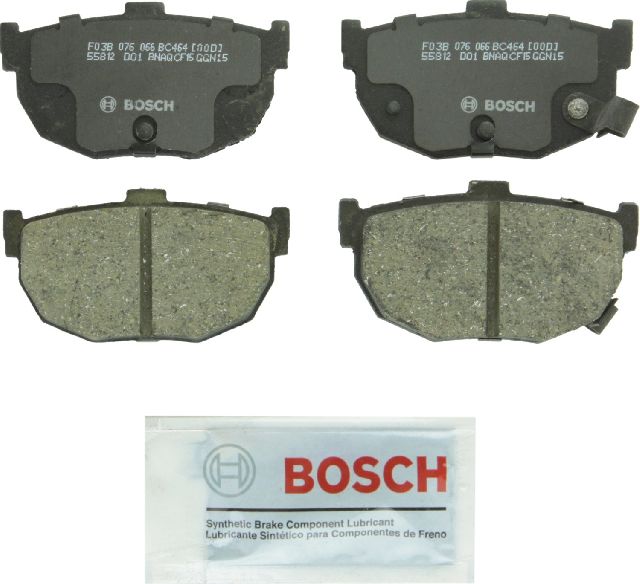
- For most owners, a quality daily-driver ceramic pad from a brand like Akebono, Bosch, or Wagner offers the best blend of quiet operation, low dust, and reliable stopping power.
- Always inspect your brake rotors when changing pads and plan to replace them if they are grooved, warped, or worn thin.
- Performance pads from brands like EBC or Hawk are generally unnecessary for a stock classic Maxima and may create more noise and dust.
- A grinding noise from your brakes is a critical safety issue that requires immediate attention to prevent further damage and potential brake failure.
Signs of Worn Brake Pads
Your Maxima will give you clear signs when its brake pads are nearing the end of their life. Ignoring these signs can lead to more expensive repairs, like damaged brake rotors. Be aware of the following symptoms:
- Squealing or Screeching Noises: Most brake pads have a small metal tab called a wear indicator. When the pad wears down, this tab scrapes against the rotor and makes a high-pitched squeal. This is your first warning to get your brakes checked.
- Grinding Sounds: If you hear a deep, metallic grinding noise, it means the brake pad material is completely gone. The metal backing plate of the pad is now grinding against the rotor, causing significant damage and reducing your stopping power. This is a serious safety issue.
- Spongy or Soft Brake Pedal: If the brake pedal feels softer than usual or sinks towards the floor, it could indicate a problem with the brake fluid or the brake system as a whole, sometimes related to severely worn pads.
- Vehicle Pulling to One Side: If your car pulls to the left or right when you brake, it could mean the pads on one side are more worn than the other, or a brake caliper is sticking.
Choosing the Right Aftermarket Brake Pads
For a classic vehicle like the 1981-1988 Maxima, original equipment (OEM) pads from Nissan are likely no longer available or are very difficult to find. Fortunately, the aftermarket offers a wide range of quality options that often meet or exceed the original specifications. The key is to choose a pad that matches your driving style.
Aftermarket Brand Tiers
| Tier | Brands | Best For |
|---|---|---|
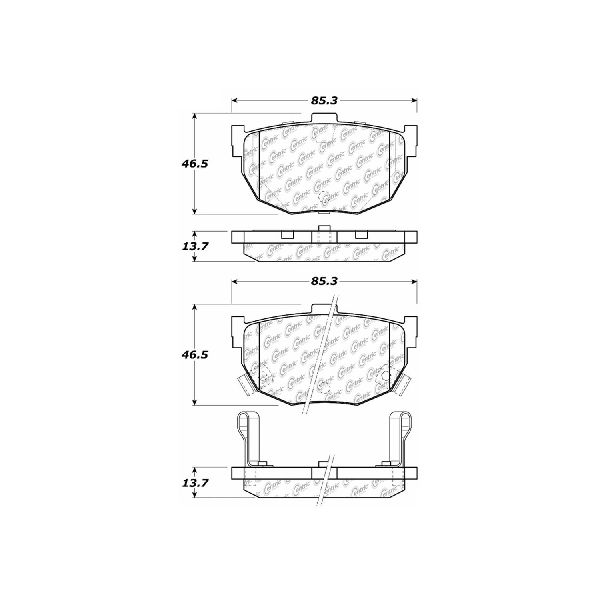
| Daily Driver / OE-Style | Akebono, Bosch, Wagner, Centric, Beck Arnley, Pronto | Owners looking for quiet, reliable braking that is similar to or better than the car's original performance. These pads offer a great balance of stopping power, low noise, and good lifespan for normal commuting and city driving. Akebono is a well-respected supplier for many Japanese automakers. |
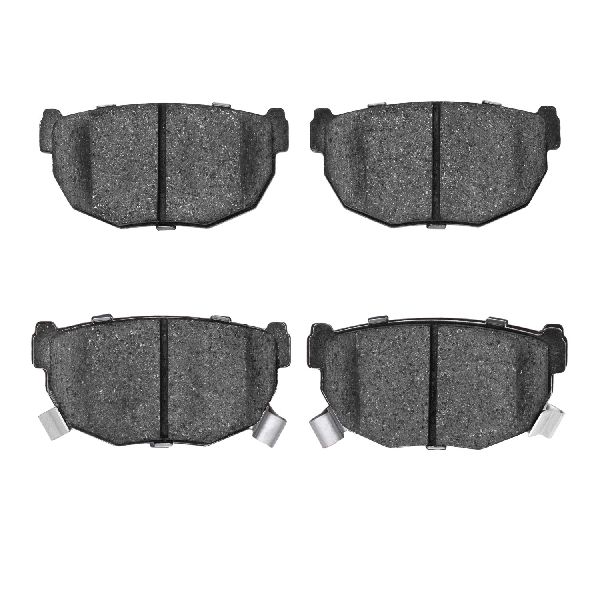
| Economy | Dynamic Friction, Total Stopping Solutions | Budget-conscious repairs where cost is the primary concern. While functional, these pads may not offer the same longevity, quietness, or consistent feel as higher-tier options. |
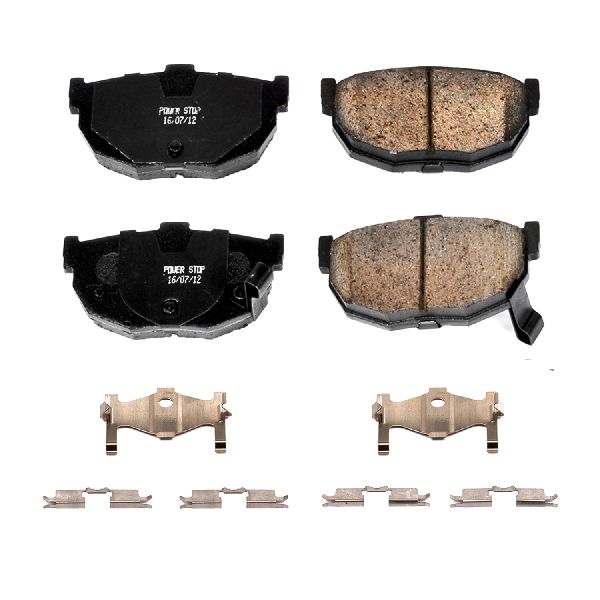
| Performance / Heavy-Duty | Brembo, EBC Brakes, Hawk, Powerstop, StopTech | Spirited driving or those seeking maximum stopping power. These pads can offer more bite and better resistance to brake fade at high temperatures. However, the trade-off can be more brake dust, potential for noise when cold, and faster wear on both the pads and rotors. For a classic Maxima, these are often overkill unless the vehicle is modified for performance. |
Pro Tip: Ceramic vs. Semi-Metallic
For your Maxima, you'll mainly choose between ceramic and semi-metallic pads. Ceramic pads are known for being very quiet and producing less brake dust, making them great for daily driving. Semi-metallic pads offer excellent performance across a wide range of temperatures and can have a stronger initial "bite," but they may create more dust and noise than ceramics. For most 1981-1988 Maxima owners, a quality ceramic pad is an excellent, modern choice.
Frequently Asked Questions
Do I need to replace my brake rotors with the pads?
It is highly recommended. New pads need a smooth, flat surface to bed into properly. If your old rotors are warped (causing a pulsation in the pedal), scored with deep grooves, or worn below the minimum thickness specification, they must be replaced. Installing new pads on worn rotors will reduce braking effectiveness and cause the new pads to wear out prematurely.
How often should I replace brake pads on my Maxima?
There is no set mileage. Brake pad life depends heavily on the pad material, your driving style (city vs. highway), and the condition of your brake system. A good practice is to have your brakes inspected at every oil change or at least once a year.
What is a brake pad wear indicator?
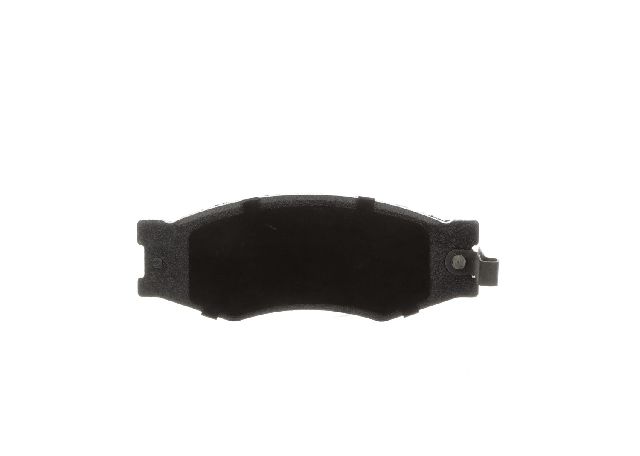
It's a small metal clip attached to the brake pad. As the pad material wears down, the clip eventually makes contact with the brake rotor, creating a high-pitched squealing sound when you brake. This sound is a built-in safety feature designed to alert you that it's time to replace your pads.
Can I replace just the front or rear brake pads?
Yes. Brake pads are always replaced as an axle set (both front wheels or both rear wheels). The front brakes on your Maxima do most of the work, so they will typically wear out faster than the rear brakes. You do not need to replace all four at the same time.
Is there a recall on brake pads for the 1981-1988 Nissan Maxima?
No, there are no active recalls on the NHTSA database specifically for disc brake pads on the 1981-1988 Nissan Maxima. Recalls for newer Maxima models have concerned the ABS actuator system, not the pads themselves.
Technical Specifications
OEM Part Numbers: D1060-S2886 DA060-31E86 41060-Y9525 41060-56L25
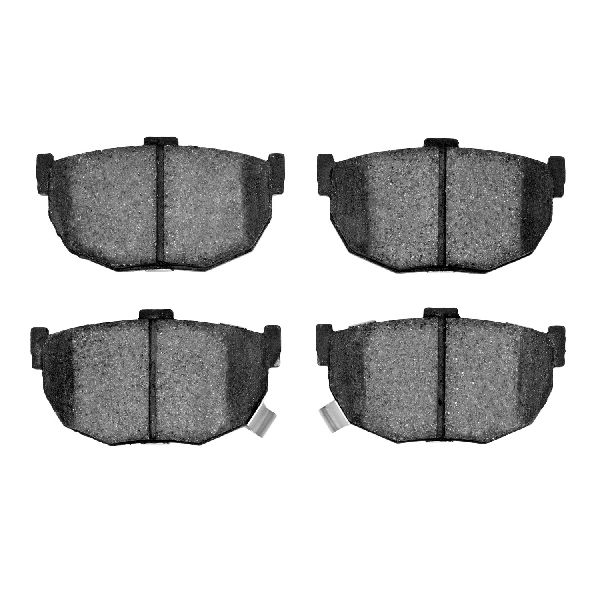
Pad Material: Ceramic or Semi-Metallic. Always replace as an axle set (both front or both rear wheels). Check for included hardware like shims and clips.
We Have This Part in Stock

The information in this article is provided for general reference and educational purposes only. Vehicle specifications, procedures, and part compatibility can vary by production date, trim level, and region. Always consult your vehicle's factory service manual and verify part numbers before purchasing or performing repairs. Safety-critical components such as airbags, seat belts, and braking systems should be installed by a qualified professional.
- Nissan Maxima: