

Engine Coolant Temperature Sensor Guide for the 1981-1988 Nissan Maxima
Solving poor engine performance and bad fuel economy on your Maxima often starts with this critical sensor.
- Confirm you are buying the two-wire ECT Sensor for the ECU, not the one-wire sender for the gauge.
- Symptoms like bad MPG, rough idle, and black smoke strongly point to a failing ECT sensor.
- This is an inexpensive and easy DIY repair that can prevent major engine problems like overheating.
- Aftermarket brands like Standard Ignition and Beck Arnley are reliable choices for this part.
Is it the Sensor or the Sender? A Critical Distinction for Your Maxima
Before buying a part, it's important to know that 1980s Nissan Maximas have two separate parts that measure coolant temperature. Ordering the wrong one is a common mistake.
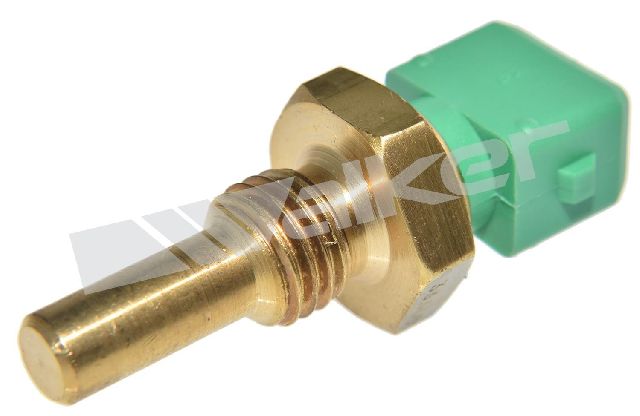
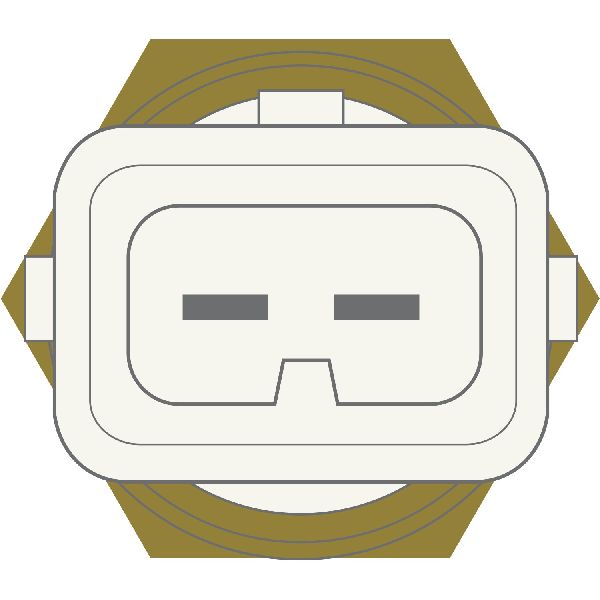
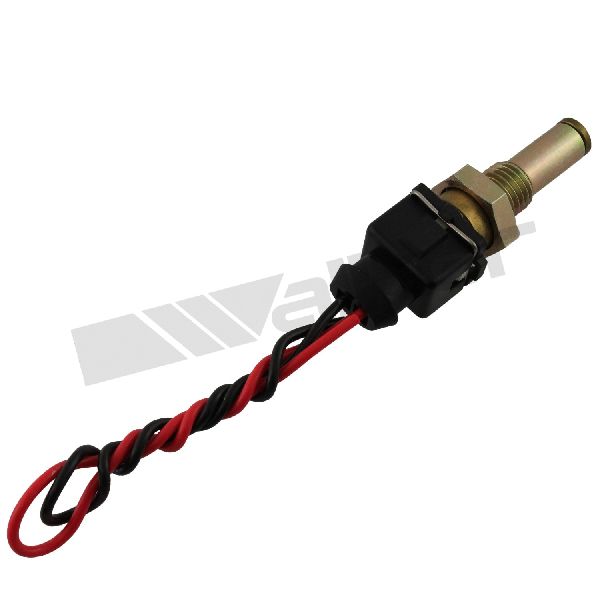
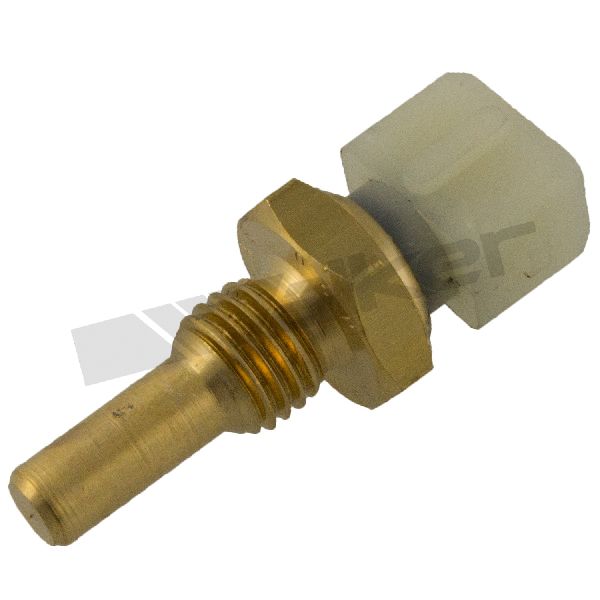
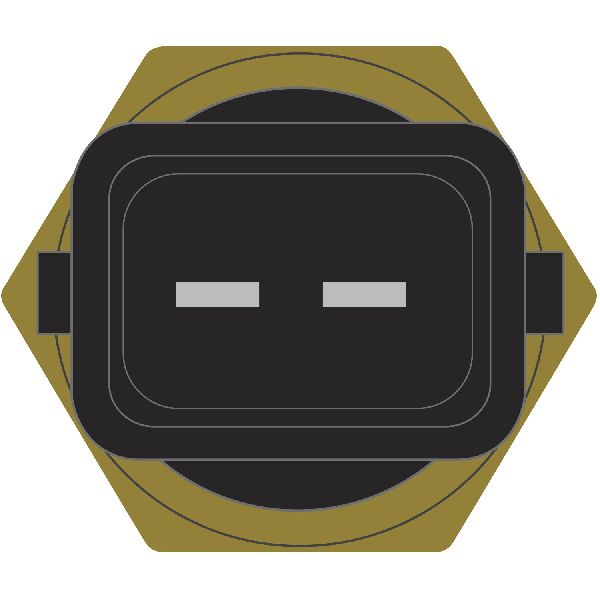
- Engine Coolant Temperature (ECT) Sensor: This part talks to the engine computer (ECU). It has a direct impact on how your engine runs. A failure here will cause performance problems but will not affect your dashboard temperature gauge. This sensor usually has a plastic connector with two wires.
- Temperature Sending Unit (Sender): This part only talks to the temperature gauge on your dashboard. If it fails, your gauge will read incorrectly (either stuck on cold or hot) but it will not affect engine performance. This part is often called a "thermal transmitter" by Nissan and typically has a single wire or spade connector.
This article focuses on the Engine Coolant Temperature (ECT) Sensor that affects engine performance. If your only problem is an incorrect dashboard gauge reading, you need to replace the temperature sending unit instead.
Symptoms of a Failing ECT Sensor
When the ECT sensor sends bad information to the ECU, the engine doesn't know its own temperature. This can cause a range of problems as the computer provides the wrong fuel mixture or ignition timing for the conditions.
- Poor Fuel Economy: If the sensor is stuck reading "cold," the ECU will continuously send extra fuel, thinking the engine is still warming up. This wastes gas.
- Rough Idle: The engine may idle too high or too low, and it might shake or stumble, especially when it should be at normal operating temperature.
- Black Smoke from Exhaust: A sign of a very rich fuel mixture, where unburned fuel is exiting through the exhaust. This can happen if the sensor is telling the ECU the engine is much colder than it is.
- Hard Starting: The engine may be difficult to start, either when it's cold or after it has been running and is hot.
- Check Engine Light: A faulty sensor can trigger the check engine light on your dashboard. Note that on pre-1996 vehicles, the diagnostic codes are not standardized and require a specialized procedure to read.
- Cooling Fans Run Improperly: The ECU may turn the electric cooling fans on all the time, or not turn them on when needed, which could lead to overheating.
Choosing the Right Aftermarket Sensor
For a vehicle from the 1980s, original Nissan (OEM) parts are almost certainly discontinued. The aftermarket is your only realistic source. Quality among aftermarket brands can vary, but for a simple sensor like this, most reputable brands offer a reliable part. All listed brands are established names in the industry.
Brand Quality Tiers
Tier 1 - OE-Matching Quality:
- Standard Ignition (SMP): A well-regarded brand known for making high-quality electronic components and sensors that meet or exceed original specifications. They often manufacture parts for other brands.
- Beck Arnley: Specializes in parts for foreign nameplates like Nissan, focusing on matching the original part's form, fit, and function.
Tier 2 - Reliable Value:
- Walker Products: A long-standing company known for fuel and engine management parts that provide a good balance of quality and affordability.
- Global Parts: Generally considered a standard replacement-grade brand that offers a cost-effective solution.
| Part Type | Estimated Cost |
|---|---|
| New Aftermarket ECT Sensor | $21.71 - $84.36 |
| New OEM ECT Sensor | N/A (Likely Discontinued) |
| Shop Labor for Installation | $50 - $100 |
Frequently Asked Questions (FAQ)
Can I replace the ECT sensor myself?
Yes, this is a very DIY-friendly job for most home mechanics. The sensor is typically located on the engine's intake manifold or thermostat housing and is accessible with basic hand tools like a deep socket and wrench. The job usually takes less than 30 minutes. Just be sure to work on a cold engine to avoid burns and minimize coolant loss.
Where is the ECT sensor located on my 1981-1988 Maxima?
The location can vary slightly. On the 1985-1988 FWD Maxima with the VG30E V6 engine, there are typically two sensors located near where the upper radiator hose connects to the engine. One is the two-wire ECT sensor for the computer, and the other is the one-wire sender for the gauge. Always confirm the correct sensor by its wire count before removal.
What happens if I ignore a bad ECT sensor?
Ignoring it will lead to persistent poor engine performance, terrible gas mileage, and increased emissions. In a worst-case scenario, if the sensor fails to trigger the cooling fans, your engine could overheat, potentially causing severe and expensive damage. For the low cost of the part, it's a repair that should be done promptly.
Are there any recalls for the Maxima ECT sensor?
There are no active recalls or common Technical Service Bulletins (TSBs) from Nissan for the engine coolant temperature sensor on the 1981-1988 Maxima. This is expected for a vehicle of this age.
Technical Specifications
The key specification is the connector type. The ECT sensor for the ECU will have a two-pin connector, while the sender for the gauge will have a single pin or spade connector. Ensure the new part matches the connector on your vehicle.
We Have This Part in Stock


The information in this article is provided for general reference and educational purposes only. Vehicle specifications, procedures, and part compatibility can vary by production date, trim level, and region. Always consult your vehicle's factory service manual and verify part numbers before purchasing or performing repairs. Safety-critical components such as airbags, seat belts, and braking systems should be installed by a qualified professional.
- Nissan Maxima: