

Chevrolet P30 Throttle Position Sensor Guide (1981-1989)
Solving hesitation, stalling, and poor acceleration in your 1981-1989 Chevrolet P30 starts with a healthy Throttle Position Sensor.
- A failing TPS is a common cause of hesitation, stalling, and rough idling on the 1981-1989 Chevy P30.
- Replacement is an easy, 30-minute DIY job with basic tools, located on the side of the throttle body.
- Stick to reputable aftermarket brands like NGK (NTK) or Standard Ignition for reliable, long-lasting performance.
- There are no known recalls or TSBs for this specific part, so failure is typically due to age and wear.
Is Your P30's Throttle Position Sensor Failing?
On a Chevrolet P30 from the 1980s, the engine control system is simple but effective. The Throttle Position Sensor (TPS) is a key player. When it starts to fail, it sends bad information to the engine's computer, causing a range of drivability problems. Because these vehicles often operate under heavy loads, symptoms of a bad TPS can be very noticeable and frustrating.
Common Symptoms of a Bad TPS on a P30
- Hesitation or Stumbling: The engine seems to bog down or hesitate when you press the gas pedal.
- Poor Acceleration: The vehicle feels sluggish and lacks power, especially when trying to get up to speed.
- Rough or High Idle: The engine idles erratically, too high, or may surge up and down on its own.
- Stalling: The engine may stall when you come to a stop or when you let off the gas.
- Check Engine Light: The computer may detect a faulty signal and trigger the Check Engine Light. Common codes include P0121, P0122, and P0123.
Choosing the Right Aftermarket TPS
For a vehicle like the 1981-1989 P30, original GM or ACDelco parts can be hard to find and expensive. Fortunately, the aftermarket offers several reliable options that meet or exceed the original specifications. The technology for this sensor is well-established, and reputable aftermarket brands produce quality replacements.
Brand Tiers for Your P30
When shopping for a new TPS, it's best to stick with known brands. Avoid generic, no-name "white box" parts, which can have poor quality control.
- Premium Aftermarket (NGK/NTK, Standard Ignition): These brands are well-respected in the industry. NTK is the sensor division of NGK, known for its OE-quality engineering and rigorous testing. Standard Motor Products (SMP) is another top-tier choice, often considered a direct equivalent to the original part in both form and function. You can expect reliable performance and longevity from these brands.
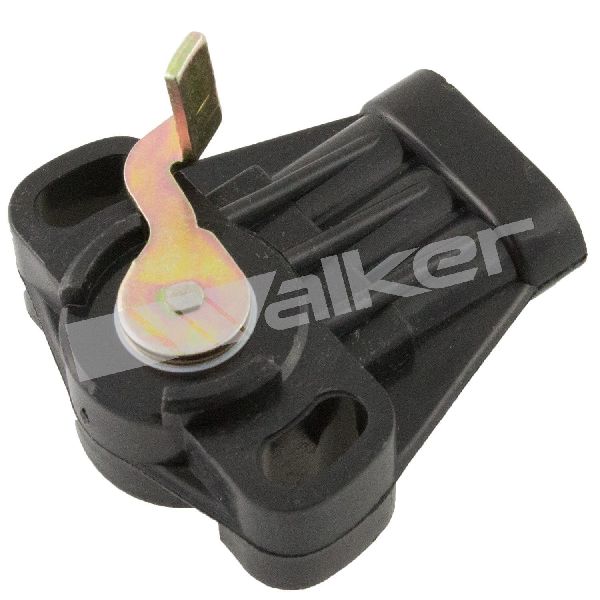
- Quality Aftermarket (Walker Products, Motorad): Walker Products is an established manufacturer that produces a wide range of engine sensors. They are a solid, budget-friendly choice that generally provides good performance. Motorad also offers a reliable replacement for daily use.
- OEM (ACDelco): If you can find a genuine ACDelco part, it's the original benchmark. However, for this specific part and vehicle age, a premium aftermarket brand like NGK or Standard Ignition will provide comparable performance for a better price.
Pro Tip: Check the Connector
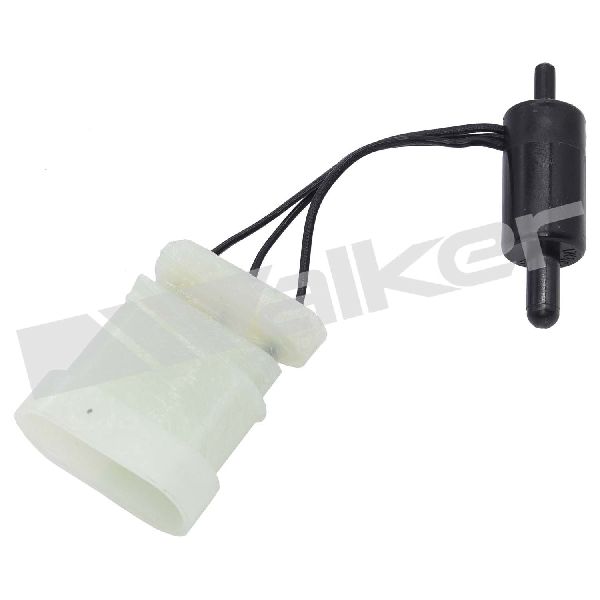
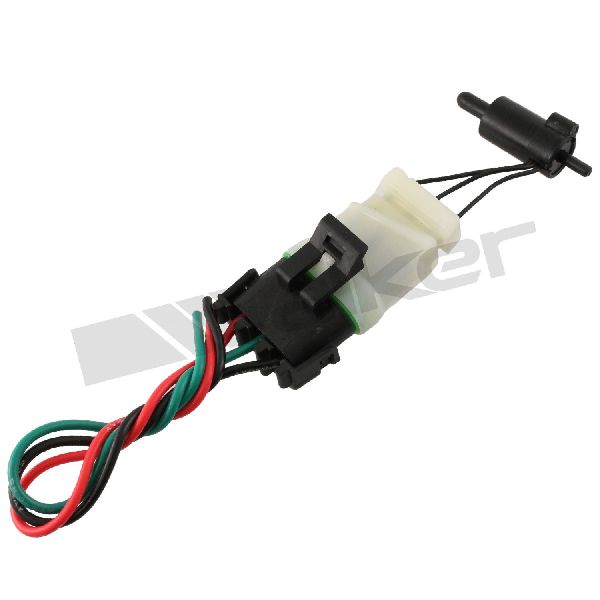
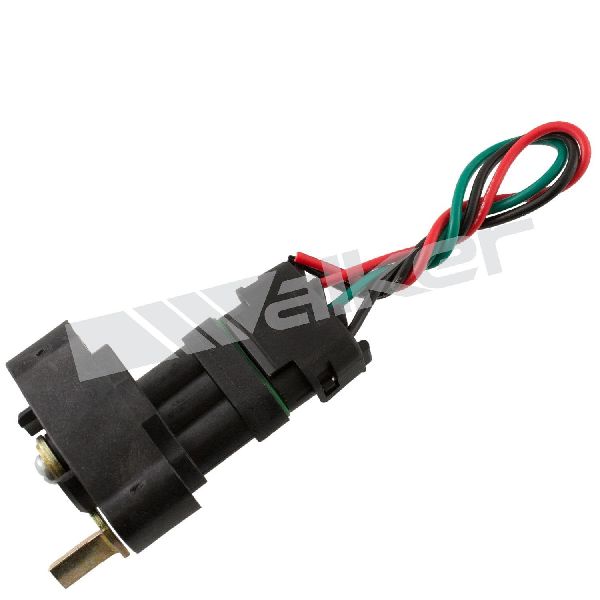
Over decades of heat and vibration, the plastic electrical connector for the TPS can become brittle and fail. Before ordering a new sensor, inspect the wiring and the connector itself. Sometimes, the sensor is fine, but the connection is bad. Replacement connector pigtails are available if needed.
Cost of Replacing a P30 Throttle Position Sensor
The TPS is an affordable and easy part to replace. This is a job most owners can do themselves with basic tools in under 30 minutes.
| Part/Service | Estimated Cost |
|---|---|
| New Aftermarket TPS | $49.51 - $87.00 |
| Shop Labor | $50 - $100 |
| Total DIY Cost | $49.51 - $87.00 |
| Total Shop Cost | $100 - $187.00 |
Frequently Asked Questions
Is it hard to replace the TPS on a Chevy P30?
No, this is considered an easy DIY repair. The TPS is located on the side of the throttle body, held on by two screws. The process involves disconnecting the electrical connector, removing the screws, swapping the sensor, and re-installing. The entire job typically takes less than 30 minutes with basic hand tools like a Torx driver.
Are there any recalls for the P30 throttle position sensor?
No. Searches of the National Highway Traffic Safety Administration (NHTSA) database show no recalls or specific technical service bulletins (TSBs) for the throttle position sensor on the 1981-1989 Chevrolet P30.
Do I need to adjust the new TPS?
For most replacement sensors on this vehicle, no adjustment is needed. They are designed to match the original factory specifications. However, it's always a good idea to check the part's instructions. Some older GM vehicles had adjustable sensors, but direct-fit replacements usually eliminate this step.
Can I just clean my old TPS?
No, cleaning the TPS is not effective. The sensor is a sealed electronic component. The failure occurs internally as the electrical contacts wear out over time. If the sensor is faulty, it must be replaced. You can, however, clean the throttle body bore and plate while you have access, which can help with idle issues.
Technical Specifications
OEM Part Numbers: 25036663 213-918
Typically a 3-pin variable resistor sensor mounted to the throttle body. Operates on a 5-volt reference signal to report throttle angle to the ECM.
We Have This Part in Stock


The information in this article is provided for general reference and educational purposes only. Vehicle specifications, procedures, and part compatibility can vary by production date, trim level, and region. Always consult your vehicle's factory service manual and verify part numbers before purchasing or performing repairs. Safety-critical components such as airbags, seat belts, and braking systems should be installed by a qualified professional.
- Chevrolet P30: