

Dodge Aries Oxygen Sensor: A Guide for 1981-1989 Models
Fixing your K-car's rough idle and poor gas mileage starts with understanding this critical sensor.
- A bad O2 sensor will cause poor gas mileage, rough running, and a Check Engine Light with codes 51 or 52.
- Ignoring the problem can lead to failure of the catalytic converter, a much more expensive repair.
- Choose a direct-fit aftermarket sensor from a reputable brand like Denso or NGK for the best results.
- Replacement is a manageable DIY job, but be sure to use penetrating oil and the correct O2 sensor socket.
Is Your Aries's Oxygen Sensor Failing?
An oxygen sensor doesn't last forever and can fail from age, contamination from oil ash, or coolant. When it starts to go bad, your car's computer gets bad information and can't properly adjust the fuel mixture. This leads to noticeable problems.
Common Symptoms of a Bad O2 Sensor:
- Check Engine Light: This is the most common sign. On these pre-OBD-II cars, you'll need to retrieve the codes. A code 51 (lean condition) or 52 (rich condition) often points to a faulty oxygen sensor.
- Poor Fuel Economy: A bad sensor often causes the engine to run rich, meaning it uses more fuel than necessary. You'll notice you're filling up the gas tank more often.
- Rough Idle or Stalling: The engine may shake, idle poorly, or even stall because the air-fuel mixture is incorrect.
- Failed Emissions Test: An incorrect air-fuel ratio leads to higher levels of pollutants in the exhaust, causing a failed smog test.
- Bad Smell from Exhaust: A rich-running engine can produce a rotten egg or sulfur-like smell from the exhaust pipe due to unburnt fuel in the catalytic converter.
Don't Ignore a Failing Sensor
Continuing to drive with a bad oxygen sensor can cause long-term damage. An overly rich fuel mixture can overheat and destroy your catalytic converter, a much more expensive part to replace.
Choosing the Right Aftermarket Oxygen Sensor
For a vehicle as old as the Dodge Aries, finding a new OEM Mopar oxygen sensor is nearly impossible. The aftermarket is your only realistic source. Quality varies between brands, so it's important to choose wisely.
| Tier | Brands | Assessment |
|---|---|---|
| Tier 1: Recommended | Denso, NGK (NTK) | These brands are often the original equipment manufacturers for many car companies and have a strong reputation for quality and reliability, even in the aftermarket. They are a top choice for a dependable replacement. |
| Tier 2: Good Value | Bosch, Delphi, Walker Products | Bosch is a huge OEM supplier, but their aftermarket sensors have a mixed reputation in forums, with some users reporting shorter lifespans. Delphi and Walker are established aftermarket brands that offer a good balance of price and performance. |
| Tier 3: Economy | DriveWire, other store brands | These are budget-friendly options. While they will work, their long-term durability and the precision of their readings may not match the higher-tier brands. They can be a solution if budget is the primary concern. |
Direct-Fit vs. Universal Sensors
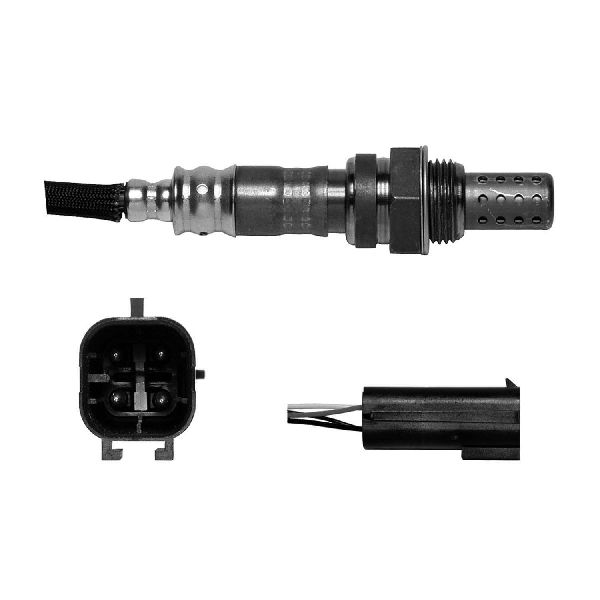
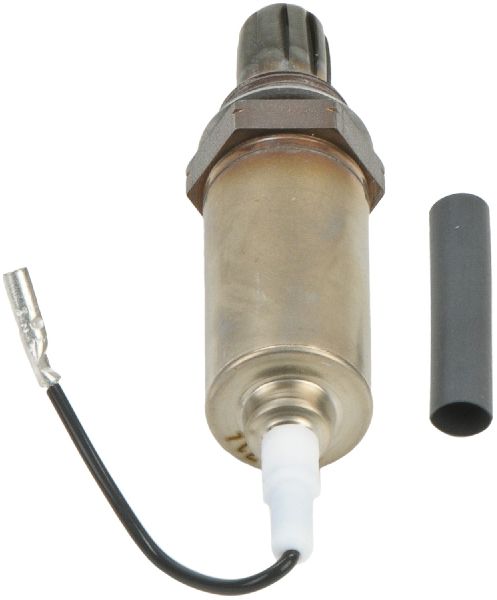
Always choose a "direct-fit" sensor. These come with the correct electrical connector for your Aries, making installation a simple plug-and-play process. A "universal" sensor requires you to cut your old connector off and splice it onto the new sensor's wires, which can lead to connection problems if not done perfectly.
Frequently Asked Questions (FAQ)
How do I check the engine codes on my Dodge Aries?
Your 1981-1989 Aries uses an OBD-I system. You can typically retrieve codes by turning the ignition key from 'Off' to 'On' three times in quick succession, leaving it in the 'On' position on the third turn. The 'Check Engine' light will then flash to indicate the codes (e.g., five flashes, a pause, then one flash for Code 51). Code 55 signals the end of the code sequence.
Where is the oxygen sensor located?
The Dodge Aries has one upstream oxygen sensor. You will find it screwed into the exhaust manifold or the exhaust pipe close to the engine, before the catalytic converter.
Can I replace the oxygen sensor myself?
Yes, this is a DIY-friendly job for most home mechanics. The main challenges are accessing the sensor and removing it if it's rusted in place. Soaking the sensor with penetrating oil a day before you start can help significantly. You will also need a special oxygen sensor socket that has a slot for the wire.
Are there any recalls for the Dodge Aries oxygen sensor?
No, searches of the National Highway Traffic Safety Administration (NHTSA) database show no safety recalls specifically for the oxygen sensor on the 1981-1989 Dodge Aries.
Technical Specifications
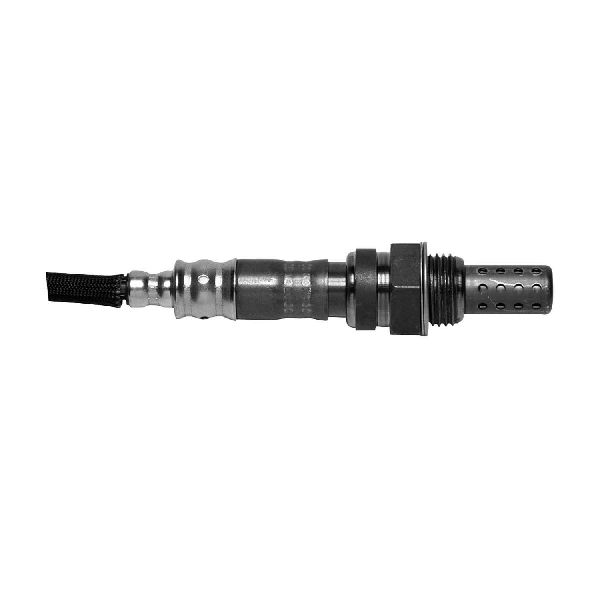
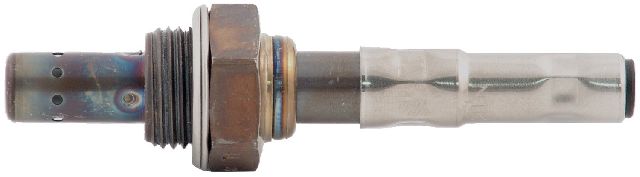
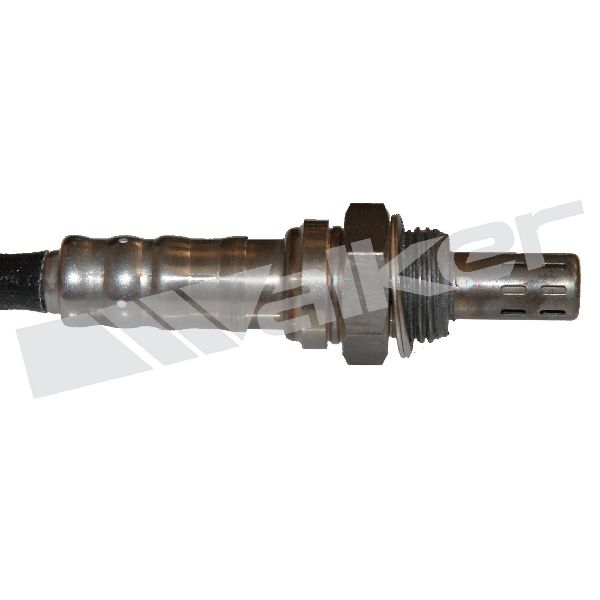
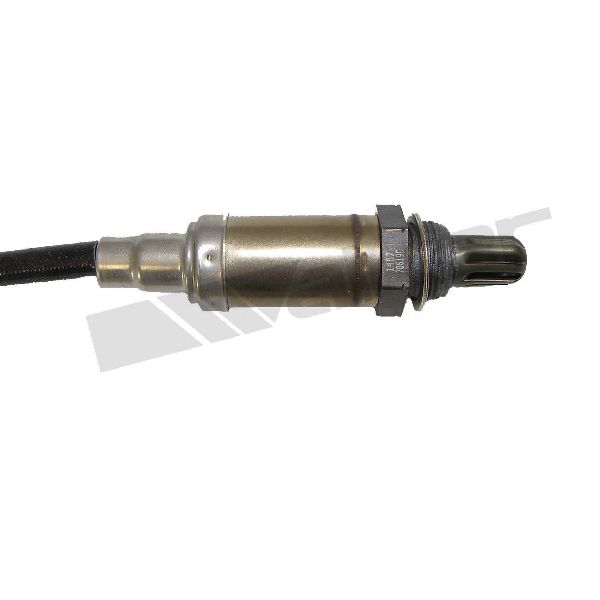
The Dodge Aries uses a single, upstream oxygen sensor located before the catalytic converter. Depending on the year and engine (2.2L or 2.5L), it may have a 1, 3, or 4-wire configuration. A direct-fit model with the correct connector is essential.
We Have This Part in Stock

The information in this article is provided for general reference and educational purposes only. Vehicle specifications, procedures, and part compatibility can vary by production date, trim level, and region. Always consult your vehicle's factory service manual and verify part numbers before purchasing or performing repairs. Safety-critical components such as airbags, seat belts, and braking systems should be installed by a qualified professional.
- Dodge Aries: