

Dodge D100 Catalytic Converter: A Guide for 1981-1989 Models
Everything you need to know before replacing the catalytic converter on your classic Dodge D100 pickup.
- Diagnose the root cause of failure (like a rich-running engine) before installing a new converter to avoid repeat damage.
- Your truck is pre-OBDII, so you must rely on physical symptoms like power loss, rattling, or a rotten egg smell to diagnose a bad converter.
- Replacement is a difficult job due to rust and the likely need for cutting and welding; professional installation is recommended for most owners.
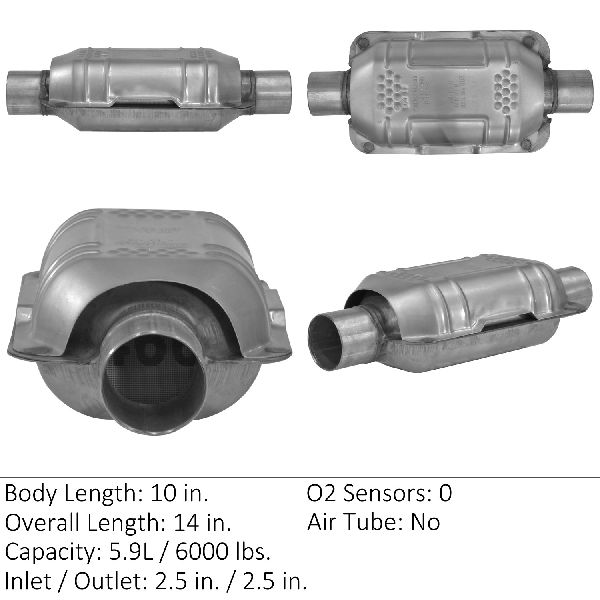
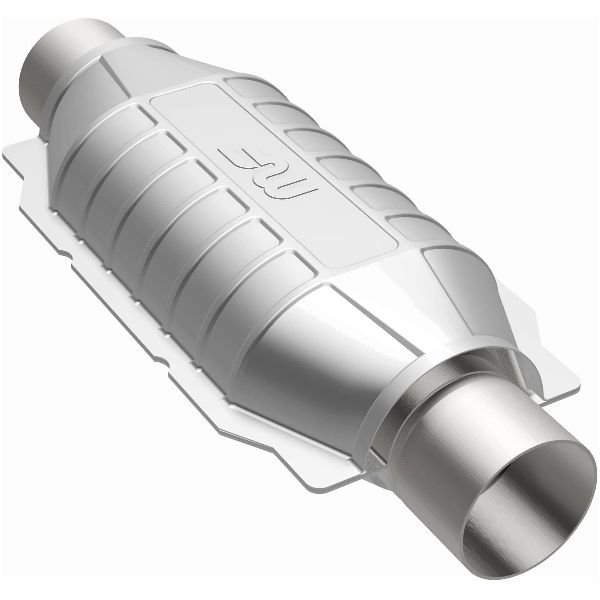
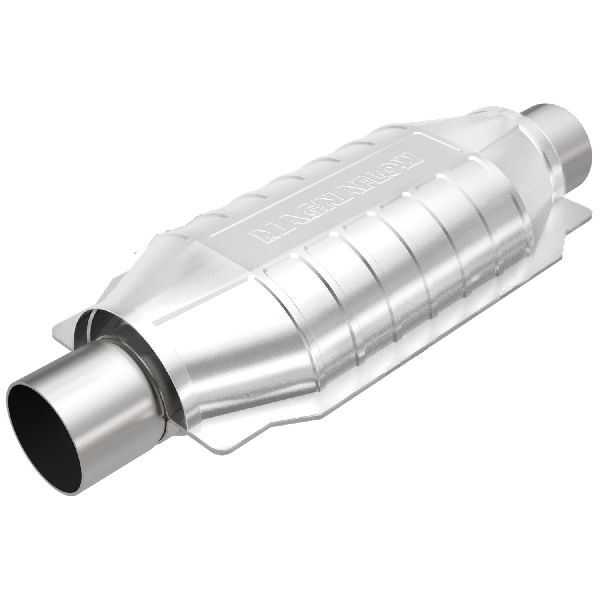
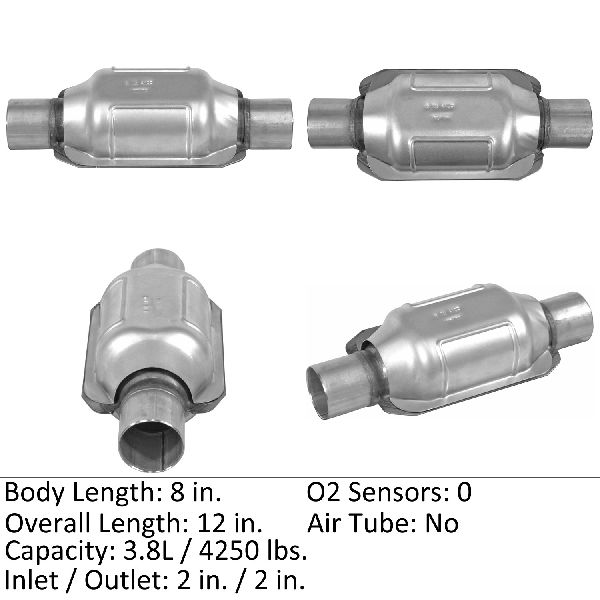
- Choose a brand based on your budget and installation preference: MagnaFlow for quality direct-fit, Walker for a standard replacement, or Eastern for a budget universal option.
Is Your D100's Catalytic Converter Failing?
On a classic truck like the 1981-1989 Dodge D100, the catalytic converter has worked hard for decades. Unlike modern cars, your truck won't flash a 'Check Engine' light with a specific code. You need to rely on physical signs to know when the converter is going bad. Ignoring these symptoms can lead to bigger engine problems.
Common Failure Symptoms
- Loss of Power: If your truck feels sluggish, struggles to get up to speed, or can't climb hills like it used to, the converter might be clogged. A blockage creates backpressure that chokes the engine.
- Rattling Noise: A rattling or clattering sound from under the truck, especially on startup or at idle, often means the ceramic honeycomb inside the converter has broken apart.
- Rotten Egg Smell: A strong smell of sulfur or rotten eggs from the exhaust is a classic sign of a converter that's not working correctly. This happens when unburned fuel contaminates the catalyst.
- Reduced Fuel Economy: If you find yourself stopping for gas more often, a clogged converter could be the cause. The engine has to work harder to push exhaust gases out, burning more fuel in the process.
- Engine Overheating: In severe cases, a completely blocked converter can trap so much hot exhaust gas that it causes the engine to overheat.
Don't Delay Replacement
Driving with a clogged catalytic converter can cause serious and expensive damage. The excessive backpressure can harm engine seals, gaskets, and even the exhaust manifolds. A rattling converter can send debris downstream, clogging your muffler.
Choosing the Right Aftermarket Converter
Original Equipment (OEM) catalytic converters for a truck of this age are virtually impossible to find. The aftermarket is your only real option. Your choice will come down to fitment type, brand, and budget. The main types are Direct-Fit and Universal-Fit.
- A Direct-Fit converter is designed to bolt into the factory location with minimal or no modification. It's the easier, but more expensive, option.
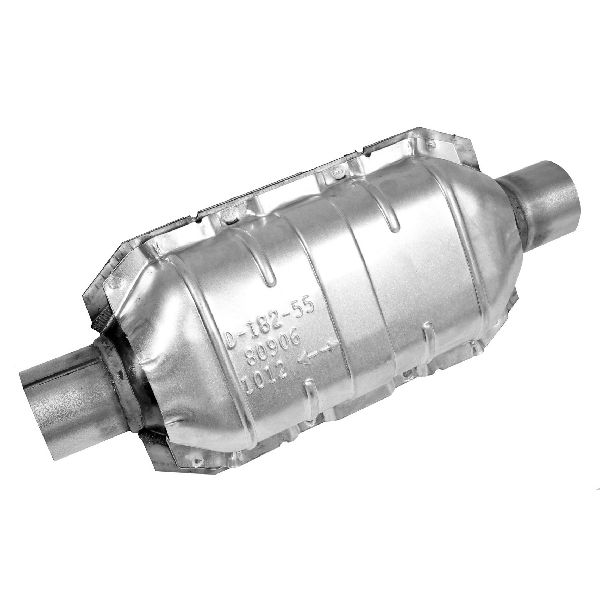
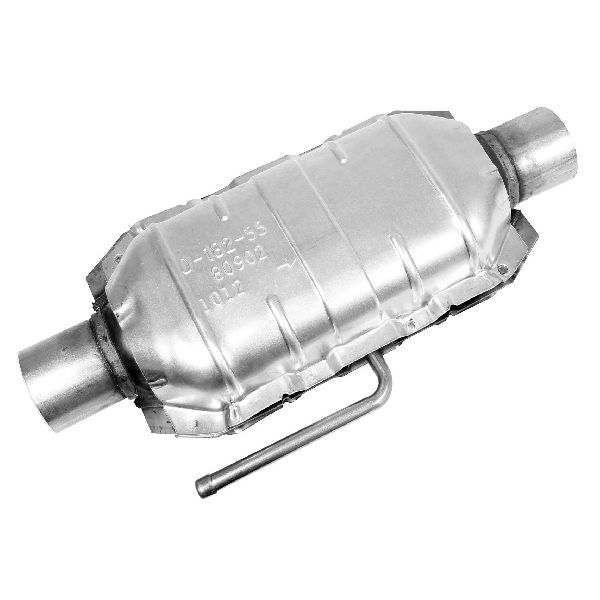
- A Universal-Fit converter is a generic part that requires cutting the old converter out and welding or clamping the new one into place. This is cheaper but requires more labor and fabrication skills.
Aftermarket Brand Tiers
Based on general user reviews and mechanic feedback, aftermarket brands can be grouped into tiers:
- Premium (MagnaFlow, MagnaFlow Performance Exhaust): Generally considered a top-tier aftermarket brand. MagnaFlow converters are known for good build quality, proper catalyst loading for emissions compliance, and better fitment, even on older vehicles. They are often the most expensive aftermarket option but are a solid choice if you want performance and longevity.
- Standard (Walker Exhaust): Walker is one of the most common and widely available exhaust brands. They offer a good balance of price and quality. While some users have reported fitment issues or faster rusting compared to premium brands, they are a reliable, budget-friendly choice for a stock replacement.
- Economy (Eastern Catalytic): Eastern is a budget-focused brand. While the low price is attractive, be prepared for potential challenges. Some users have reported poor fitment, such as incorrect pipe angles or messy welds, that require extra work during installation. There are also some concerns about their long-term durability.
Pro Tip: Find the Root Cause
Catalytic converters don't usually fail on their own. The most common killer is a poorly-tuned engine. A carbureted engine running too rich will send unburned fuel into the exhaust, which can melt and destroy the converter's internal structure. Before you install a new converter, make sure your engine is tuned correctly and that any oil or coolant leaks are fixed.
Cost of Replacing a Dodge D100 Catalytic Converter
The cost can vary widely based on the part you choose and who does the work.
| Item | Estimated Cost |
|---|---|
| New Aftermarket Converter (Part) | $86.92 - $872.93 |
| Shop Labor | $200 - $500+ |
| Total Estimated Cost | $287 - $1373+ |
Note: Labor costs are higher for universal-fit converters that require welding and fabrication. Rust on the old exhaust system can also significantly increase labor time and cost.
Frequently Asked Questions
Why is there such a big price range for aftermarket converters?
The price difference comes down to several factors: brand reputation, the amount of precious metals used in the catalyst (more metal costs more but cleans better), and fitment type. A universal-fit, economy converter will be at the low end, while a direct-fit, premium brand converter will be at the high end.
Can I just remove the catalytic converter?
Removing the catalytic converter is illegal in all 50 states for on-road vehicles, as it violates federal emissions laws. Your truck will not pass a state emissions inspection without it. While some owners of pre-emissions classics remove them, for a 1981-1989 D100, it is required equipment.
Was there a recall on the D100 catalytic converter?
No. Searches of the NHTSA database and other records show no specific recalls or technical service bulletins (TSBs) for the catalytic converter on the 1981-1989 Dodge D100.
Is replacing the catalytic converter a good DIY job?
For this specific truck, it's an advanced DIY job. After decades of use, the exhaust bolts will be heavily rusted and will likely need to be cut off. If you choose a universal converter, you will need to cut the exhaust pipe and either weld or securely clamp the new part in. If you are not comfortable with cutting metal, dealing with heavy rust, and potentially welding, this job is best left to a professional exhaust shop.
Technical Specifications
Varies by engine size and emissions package. Both universal and direct-fit options are available. Installation may require cutting and welding.
We Have This Part in Stock

The information in this article is provided for general reference and educational purposes only. Vehicle specifications, procedures, and part compatibility can vary by production date, trim level, and region. Always consult your vehicle's factory service manual and verify part numbers before purchasing or performing repairs. Safety-critical components such as airbags, seat belts, and braking systems should be installed by a qualified professional.
- Dodge D100: