

Dodge D100 Engine Oil Pressure Switch Guide: 1981-1989
Understanding the signs of a failing oil pressure switch can save you from unnecessary engine worries.
- Verify if your D100 has a gauge or a warning light before ordering a new switch.
- A gauge that reads zero when the engine sounds normal is very likely a bad switch, not a bad engine.
- An oil leak from the body of the switch requires immediate replacement.
- For this part, a quality aftermarket brand like Standard Ignition is a reliable and cost-effective choice over hunting for rare OEM parts.
Is Your Dodge D100 Oil Pressure Gauge Acting Up?
If you own a classic 1981-1989 Dodge D100, you know that keeping an eye on your gauges is key. The oil pressure gauge is one of the most important. A faulty engine oil pressure switch can cause a lot of stress, making you think your engine has a serious problem when it doesn't. These switches can fail from age, sending incorrect signals or leaking oil. Common symptoms include the oil pressure gauge reading zero, the warning light flickering, or the gauge needle jumping around erratically. In many cases, especially on a high-mileage engine, the problem is the sender, not a lack of oil pressure.
🎬 See how to fix common Dodge oil pressure problems.Don't Ignore the Warning
Even if you suspect the switch is bad, never ignore a low oil pressure warning. Always check your oil level immediately. If the engine is making ticking or knocking noises, shut it off as soon as it's safe to do so to prevent catastrophic damage. A cheap and easy first step in diagnosis is to replace the switch.
Choosing the Right Aftermarket Switch
For a vehicle from this era, finding original Mopar parts can be difficult and expensive. Aftermarket switches are readily available and offer a reliable, cost-effective solution. The most important step is to buy the correct switch for your truck's specific setup. Some D100 models used a simple warning light (an "idiot light"), while others had a full gauge. These two systems use different types of sending units. Always verify which system your truck has before ordering.
Aftermarket Brand Tiers
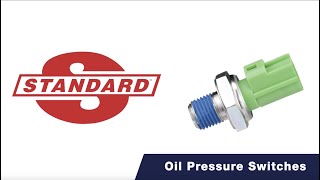
- Premium Aftermarket (Standard Ignition): Standard Motor Products (SMP), often sold as Standard Ignition, is a well-regarded aftermarket manufacturer known for producing quality electronic components that often meet or exceed original specifications. They are a top choice for a reliable replacement. 🎬 Watch a closer look at Standard oil pressure switches.
- Mid-Grade Aftermarket (Crown, Rostra): Crown Automotive is well-known for Jeep replacement parts and generally offers decent quality for the price, though some user reviews are mixed. Rostra Powertrain is a certified manufacturer specializing in transmission and electronic components, recognized for quality and reliability. Both are solid choices for a daily driver.
- Economy Brands (Global Parts, others): These are typically the most affordable option. While they can get the job done, their long-term durability and the accuracy of their readings may not match the higher-tiered brands. They can be a good choice for a budget-conscious repair, but check the warranty period.
| Part Type | Estimated Cost |
|---|---|
| New Aftermarket | $10.54 - $51.15 |
| Shop Labor | $50 - $100 |
| New OEM (Mopar NOS) | $75+ (if found) |
| Used OEM | $10 - $25 (Not Recommended) |
Pro Tip: Location and Installation
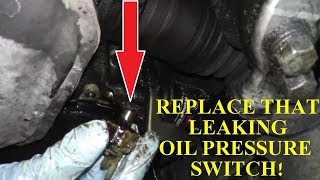
On these Dodge trucks, the oil pressure switch is typically located on the top of the engine block, near the distributor. Replacement is a simple DIY job for most owners. It usually involves unplugging the single wire, using a special socket or wrench to unscrew the old switch, and then installing the new one. Make sure the new switch has thread sealant or apply a small amount of Teflon tape to ensure it doesn't leak.
🎬 Learn how to replace the switch using basic hand tools.Frequently Asked Questions
Where is the oil pressure switch on my Dodge D100?
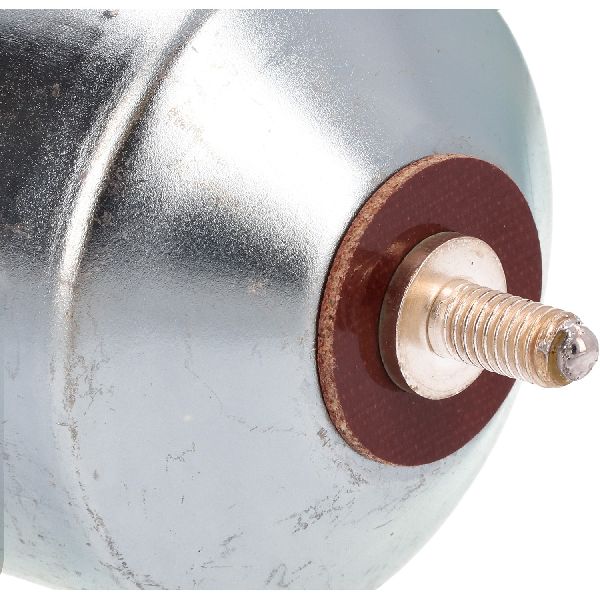
The sending unit is usually found screwed into the engine block near the back of the engine, close to the distributor. It is a small, bell-shaped sensor with a single electrical connector.
Can I drive with a bad oil pressure switch?
You can, but it's risky. A bad switch can't warn you if a real oil pressure problem develops. If the switch is leaking oil, you could run the engine low on oil, leading to severe damage. It's best to replace a faulty switch as soon as possible.
How do I know if I need a switch for a gauge or a light?
Look at your dashboard. If you have a needle that sweeps across a range of pressure readings, you have a gauge. If you only have a single light that illuminates with an oil can symbol, you have a warning light system. They use different parts, so ordering the correct one is critical.
Is it the switch or my oil pump?
A fluctuating gauge or a reading that drops to zero is often just a bad sending unit on these older trucks. If the gauge drops but the engine sounds normal (no new ticking, clattering, or knocking sounds), the switch is the most likely culprit. Replacing the switch is an inexpensive first step before suspecting a more serious issue like a failing oil pump.
Helpful Videos
Technical Specifications
Varies by application (gauge vs. light). Must match vehicle's original equipment. Typically has a single-prong electrical connection.
We Have This Part in Stock


The information in this article is provided for general reference and educational purposes only. Vehicle specifications, procedures, and part compatibility can vary by production date, trim level, and region. Always consult your vehicle's factory service manual and verify part numbers before purchasing or performing repairs. Safety-critical components such as airbags, seat belts, and braking systems should be installed by a qualified professional.
- Dodge D100: