

Dodge D100 HVAC Heater Hose Replacement Guide (1981-1989)
Keep your classic Dodge's cabin warm and prevent coolant leaks by understanding when and how to replace your HVAC heater hose.
- For a 1981-1989 D100, aftermarket hoses from quality brands like Gates or Continental are the best and most practical option.
- Always replace heater hoses in pairs and use new clamps to ensure a reliable repair.
- Regularly inspect hoses for cracks, swelling, or leaks to prevent being stranded by a sudden failure.
- Never drive a vehicle that is overheating, as it can cause severe and expensive engine damage.
Symptoms of a Failing Heater Hose
On a classic truck like the 1981-1989 Dodge D100, rubber components like heater hoses are well past their original lifespan. Heat, pressure, and age cause them to break down. Ignoring a bad hose can lead to everything from a cold ride to serious engine damage. Watch for these clear warning signs:
- Coolant Leaks: This is the most obvious sign. You might see puddles of green or yellow-tinged fluid under your truck, especially near the passenger-side firewall. You may also notice a sweet, syrupy smell either inside or outside the cab.
- Visible Damage: Regularly inspect the hoses. Look for cracks, splits, bulging, or soft, spongy spots. A swollen hose is weak and could burst without warning. Hoses that feel rock-hard or brittle have lost their flexibility and should be replaced immediately.
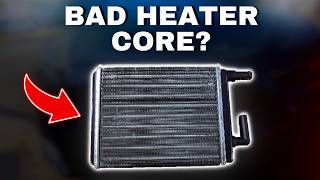
- No Cabin Heat: If your heater only blows cold or lukewarm air, it could be because a leaking or blocked hose is preventing hot coolant from reaching the heater core. 🎬 Learn more about identifying symptoms of a failing heater core. You can check this by carefully feeling both heater hoses after the engine has warmed up; if one is hot and the other is cold, you may have a blockage.
- Engine Overheating: A significant leak in a heater hose will cause a loss of coolant. If the coolant level drops too low, the engine can't cool itself properly, causing the temperature gauge to climb into the red. This is a serious condition that can lead to catastrophic engine damage.
Critical Warning: Do Not Drive an Overheating Vehicle
If you notice a major coolant leak or your temperature gauge is in the red, pull over and shut off the engine as soon as it is safe to do so. Driving an overheating engine for even a short time can cause warped cylinder heads, a blown head gasket, or complete engine seizure, resulting in thousands of dollars in repairs.
Choosing the Right Aftermarket Heater Hose
For a vintage truck like the Dodge D100, finding new original equipment (OEM) Mopar hoses is nearly impossible. The good news is that top-tier aftermarket brands offer high-quality, reliable replacements that often meet or exceed original specifications. Molded hoses are always preferred over universal or "cut-to-fit" types for a perfect fit.
- Continental: A well-regarded OEM supplier and aftermarket brand, Continental (sometimes branded as ContiTech) produces durable rubber products. They are a trusted choice for fit and longevity.
- Gates: Gates is one of the most respected names in aftermarket hoses and belts. Many professional mechanics prefer Gates for their consistent quality and excellent fitment, which is crucial to avoid kinks that restrict coolant flow. 🎬 Watch why mechanics prefer Gates hoses for reliable repairs.
Pro Tip: When replacing one heater hose, it's always best practice to replace the other at the same time, along with the hose clamps. Both hoses have endured the same conditions, and if one has failed, the other is likely to fail soon.
Estimated Replacement Costs for 1981-1989 Dodge D100
| Part Type | Estimated Cost |
|---|---|
| New Aftermarket Heater Hose (Continental, Gates) | $80.54 - $81.22 |
| Shop Labor | $100 - $200 |
| Total Estimated Cost 🎬 See how to replace the heater core on a D100. | $180.54 - $281.22 |
Note: Costs are estimates and may vary based on your location and local labor rates. This estimate includes replacing the hoses and new coolant.
Frequently Asked Questions (FAQ)
Are there any recalls for my D100's heater hoses?
No. A search of the National Highway Traffic Safety Administration (NHTSA) database shows no recalls for HVAC heater hoses on 1981-1989 Dodge D-Series trucks. Any failure today is due to the component's age.
Can I use a universal hose instead of a molded one?
While a universal hose might work in an emergency, it is not recommended for a permanent repair. Molded hoses are specifically shaped to fit your D100's engine bay, preventing kinks or contact with hot exhaust parts that could cause premature failure.
Should I replace my hose clamps too?
Yes, absolutely. It is best practice to use new hose clamps whenever you replace hoses. The original spring-style clamps can lose tension over decades of heat cycles, leading to leaks. New clamps are inexpensive and ensure a secure, leak-free seal.
What type of coolant should I use in my Dodge D100?
For this generation of truck, a conventional green IAT (Inorganic Acid Technology) antifreeze is the standard recommendation. Always mix it 50/50 with distilled water, not tap water, to prevent mineral buildup and corrosion in the cooling system.
Helpful Videos


Technical Specifications
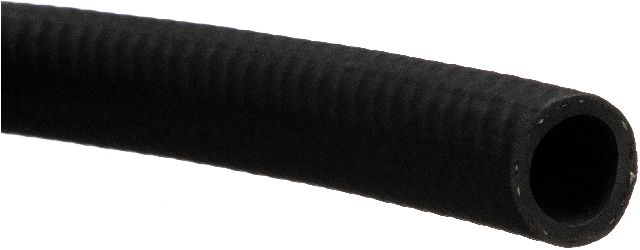
The HVAC heater hose for the 1981-1989 Dodge D100 is typically a set of two molded rubber hoses, often 5/8" or 3/4" in diameter, that connect the engine's water pump and intake manifold to the heater core inlet and outlet at the firewall.
We Have This Part in Stock


The information in this article is provided for general reference and educational purposes only. Vehicle specifications, procedures, and part compatibility can vary by production date, trim level, and region. Always consult your vehicle's factory service manual and verify part numbers before purchasing or performing repairs. Safety-critical components such as airbags, seat belts, and braking systems should be installed by a qualified professional.
- Dodge D100: