

Choosing the Right Spark Plugs for Your 1981-1989 Dodge D100
Keep your classic Dodge D100 running strong with the correct set of new aftermarket spark plugs.
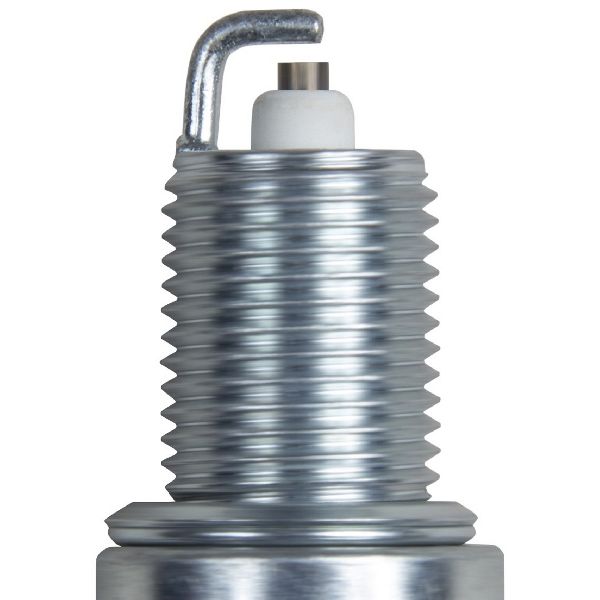
- Stick with standard copper-core spark plugs from brands like Champion, NGK, or Autolite for the best performance and value.
- Avoid expensive platinum and iridium plugs; they are unnecessary and may not work well with the stock ignition system.
- Always check and set the spark plug gap to 0.035 inches before installation.
- Replacing spark plugs is an easy and effective DIY tune-up job for this generation of truck.
Signs of Failing Spark Plugs in a D100
Worn-out spark plugs can make your dependable D100 feel tired and unreliable. Because the ignition systems on these trucks are straightforward, the effects of bad plugs are often easy to notice. If you experience any of these symptoms, your spark plugs are a good first place to check.
- Rough Idle: The engine may shake or run unevenly when you're stopped at a light.
- Difficulty Starting: The engine cranks but takes a long time to fire up, or it might not start at all, especially when cold.
- Engine Misfires: You might feel a hesitation or stumble during acceleration. This can feel like a slight hiccup or a more noticeable bucking.
- Reduced Power: Your truck may feel sluggish and slow to accelerate, especially when hauling or going uphill.
- Worse Fuel Economy: If you find yourself filling up the gas tank more often than usual, worn plugs could be the cause.
Choosing the Right Aftermarket Spark Plug
When shopping for spark plugs for your 1981-1988 Dodge D100, it's best to keep it simple. The original factory ignition system was designed for standard copper-core spark plugs. While modern vehicles often use expensive iridium and platinum plugs, they are not necessary for your classic truck and can sometimes cause running issues. Sticking with what the truck was designed for is the best approach.
Brand Tiers for Your Dodge D100
Many owners have strong opinions, but most agree that standard copper plugs from reputable brands are the way to go.
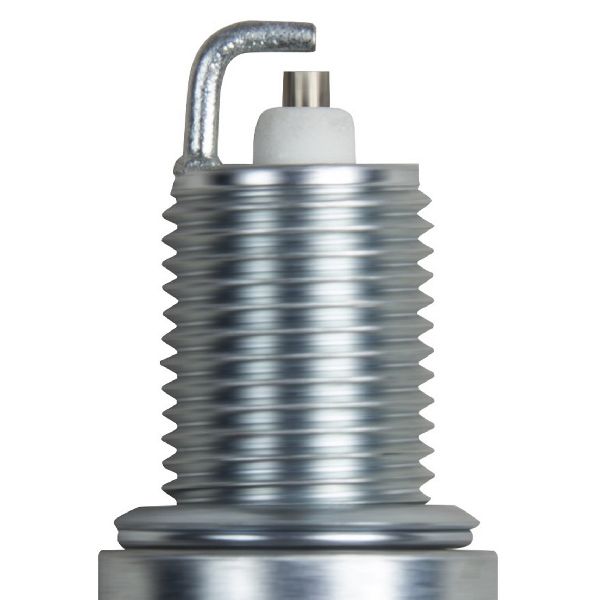
- OEM-Style (Good): Champion was the original equipment (OEM) plug for many Mopar engines of this era. Many owners report their trucks run best on standard Champion Copper Plus plugs. They are affordable and a proven choice.
- High-Quality Alternatives (Better): Brands like NGK and Autolite are favorites among classic truck owners. NGK's standard V-Power plugs and Autolite's copper core plugs are excellent, reliable alternatives known for their quality construction and resistance to fouling.
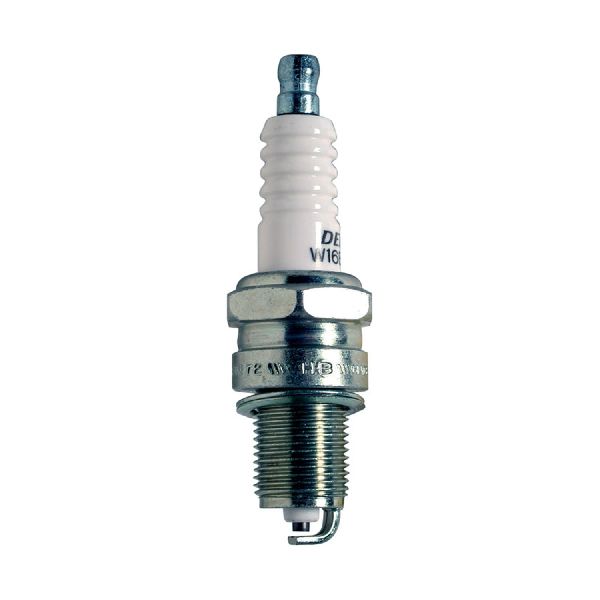
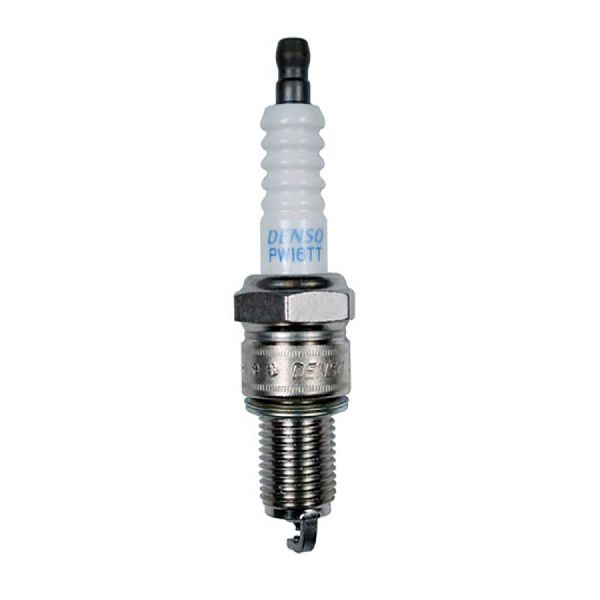
- Performance (Best): For modified engines or those with upgraded ignition systems, brands like MSD offer spark plugs designed to work with their high-output ignition components. Denso is another high-quality option, though some owners find them to be a hotter plug.
- Budget: Skyward is a value-oriented brand available for these trucks.
| Part Tier | Price Range (per plug) | Our Available Brands |
|---|---|---|
| OEM-Style / Standard Copper | $3.23 - $6.00 | Champion, Autolite, NGK, Skyward |
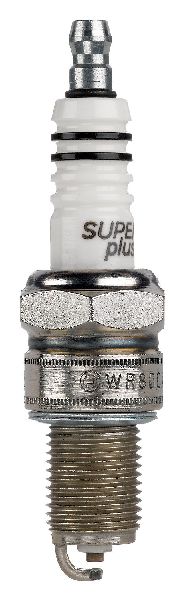
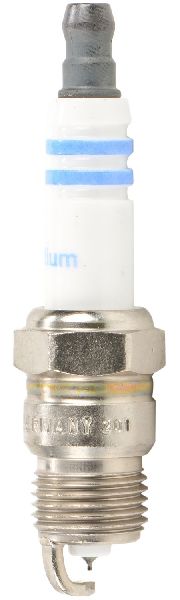
| Performance / Premium | $7.00 - $16.88 | NGK (Iridium), Denso, MSD, Bosch |
Pro Tip: Check The Gap
Always check the spark plug gap before installation, even if the box says they are "pre-gapped." The correct gap for most D100 engines is 0.035 inches, but always verify for your specific engine. A simple gapping tool is a must-have for this job.
Known Issues, Recalls, and Service Bulletins
There are no specific recalls or technical service bulletins (TSBs) from the NHTSA for spark plugs on the 1981-1989 Dodge D100. This is normal, as spark plugs are considered a routine maintenance item. Any issues you encounter, such as a no-spark condition, are typically due to normal wear of ignition components like the plugs, wires, distributor cap, rotor, or ignition module. In older engines that burn oil, chronic spark plug fouling can occur, which may require more frequent plug changes or the use of a non-fouler.
Frequently Asked Questions
How often should I change the spark plugs on my D100?
For a 1981-1989 Dodge D100 using standard copper spark plugs, a good replacement interval is every 15,000 to 20,000 miles or every two years. Copper plugs wear faster than modern plugs, but they are inexpensive and changing them regularly is excellent preventative maintenance for a classic truck.
Should I use platinum or iridium plugs in my old Dodge truck?
No, it is not recommended. The ignition system in your D100 was not designed for them. You will get the best performance and reliability by using the standard copper-core plugs the truck was built with.
What is the correct spark plug gap for a Dodge D100?
For most Slant-6 and V8 engines (318, 360) in this era, the recommended spark plug gap is 0.035 inches. However, it is always best to confirm with a service manual for your specific engine and year.
Is replacing the spark plugs on a D100 a difficult job?
No, on these older trucks it is a relatively easy job that most DIY mechanics can handle in about an hour. Access to the plugs is generally good. You will need a basic ratchet set, a spark plug socket, and possibly an extension.
Should I use anti-seize on the new spark plugs?
This is a topic of debate. Some plug manufacturers, like NGK, advise against it as their plugs have a special plating to prevent seizing. If you do use it, apply only a very small amount to the threads, being careful not to get any on the electrode or insulator. Always reduce the manufacturer's torque specification if you use anti-seize.
Technical Specifications
OEM Part Numbers: 3755840
Engine application and year determine the exact plug. Most common engines (Slant-6, 318 V8, 360 V8) use a standard copper plug with a 0.035" gap.
We Have This Part in Stock

The information in this article is provided for general reference and educational purposes only. Vehicle specifications, procedures, and part compatibility can vary by production date, trim level, and region. Always consult your vehicle's factory service manual and verify part numbers before purchasing or performing repairs. Safety-critical components such as airbags, seat belts, and braking systems should be installed by a qualified professional.
- Dodge D100: