

GMC P2500 Engine Coolant Temperature Sensor Guide (1981-1989)
Understanding the right coolant temperature sensor for your 1981-1989 GMC P2500 is key to engine performance and fuel economy.
- Crucially, verify if you need the two-wire sensor for the engine computer or the single-wire sender for the dashboard gauge.
- Symptoms of failure include poor gas mileage, black exhaust smoke, rough idle, and a Check Engine Light (Code 15).
- A quality aftermarket brand like Delphi or Standard Ignition offers excellent value and reliability for this part.
- Replacement is simple, located on the intake manifold, and is a very feasible DIY job with basic tools.
Is it a Sensor or a Sender? A Critical Distinction for 1981-1989 Models
For this generation of GMC P2500, it's crucial to know which part you're replacing. These trucks often have two similar-looking parts with very different jobs:
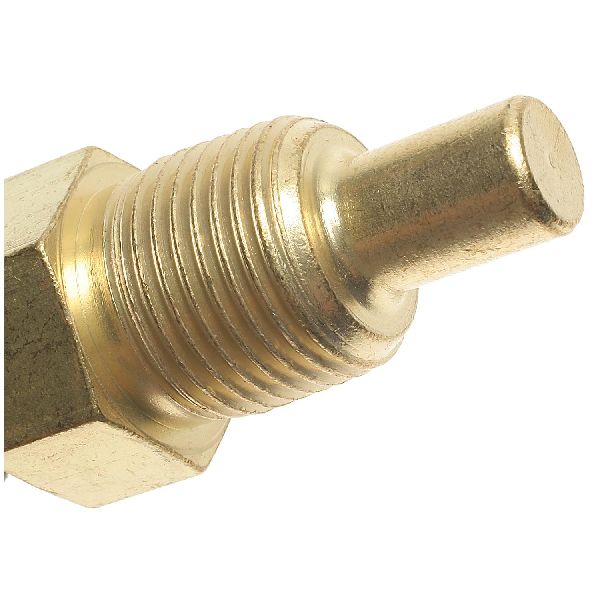
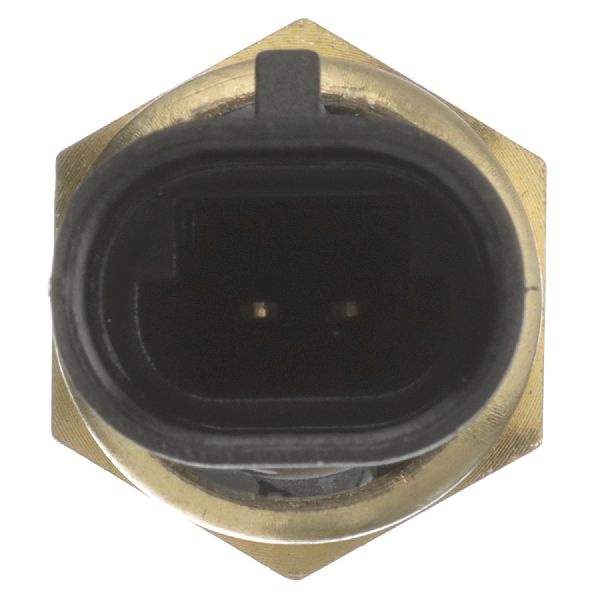
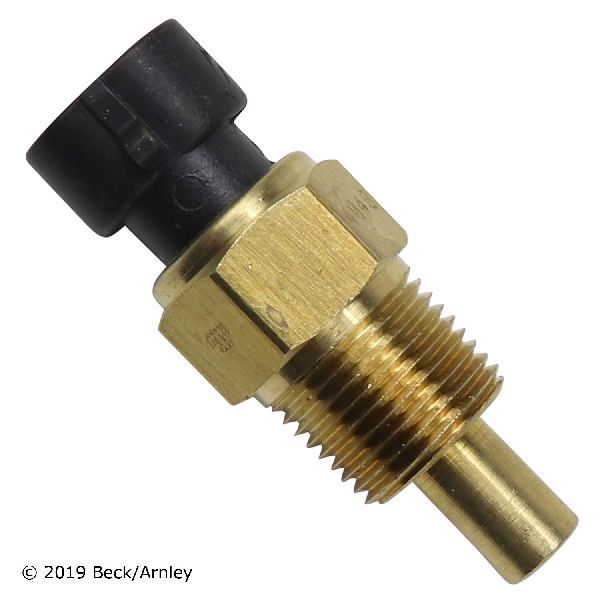
- Engine Coolant Temperature Sensor (ECTS): This part talks to the engine's computer (ECU/ECM) on fuel-injected models (like those with Throttle Body Injection or TBI). It has a two-wire connector and is essential for controlling the fuel mixture and engine performance. A bad ECTS can cause poor fuel economy, a check engine light, and rough running.
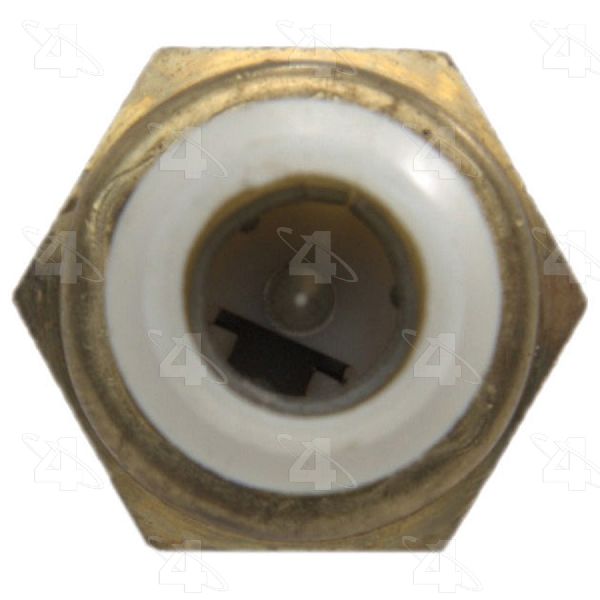
- Engine Coolant Temperature Sender: This part only operates the temperature gauge on your dashboard. It typically has a single wire or a spade-style connector. If this part fails, your gauge will stop working or give incorrect readings, but it won't affect how the engine runs.
Symptoms of a Failing Engine Coolant Temperature Sensor
When the ECTS fails, it sends incorrect information to the engine computer. This can lead to several noticeable problems:
- Poor Fuel Economy: If the sensor is stuck reading "cold," the computer will continuously send extra fuel, thinking the engine is still warming up. This wastes gas.
- Black Smoke from Exhaust: A rich fuel mixture from a bad sensor can result in unburned fuel exiting through the exhaust, creating black smoke.
- Check Engine Light: The computer will detect a problem with the sensor's signal and trigger a Check Engine Light. On these OBD-I trucks, this might show up as Code 15.
- Rough Idle or Stalling: An incorrect fuel mixture can cause the engine to idle poorly or even stall, especially after it has warmed up.
- Hard Starting: The engine may be difficult to start, either hot or cold, because the fuel mixture isn't correct for the actual engine temperature.
Choosing the Right Aftermarket Sensor
For a vehicle like the 1981-1989 P2500, a quality aftermarket sensor is a reliable and cost-effective choice. The technology is well-established, and you don't necessarily need to pay a premium for a dealer part. Here's a breakdown of available brands:
- Premium Aftermarket (OEM-Grade): Brands like Delphi and Standard Ignition (SMP) are well-regarded and often supply original parts to manufacturers. They offer excellent reliability and are a top choice for a direct, quality replacement. NGK is also a trusted name in engine sensors.
- Quality Standard Aftermarket: Brands like Beck Arnley, Hella, and Four Seasons provide good quality parts that meet or exceed original specifications. They are a solid choice for a balance of price and performance.
- Economy/Value: Brands such as Holstein, Motorad, and True Tech offer a budget-friendly option. For a simple, non-critical sensor on an older work truck, these can be a suitable choice, though their long-term durability may not match premium brands.
Cost of Replacement
| Part Type | Price Range |
|---|---|
| New Aftermarket Sensor | $12.58 - $37.74 |
| Estimated Shop Labor | $50 - $100 |
| Estimated Total (DIY) | $12.58 - $37.74 |
| Estimated Total (Shop) | $62.58 - $137.74 |
Frequently Asked Questions
Where is the Engine Coolant Temperature Sensor located?
On fuel-injected (TBI) models, the ECTS is typically found screwed into the front of the intake manifold, near the thermostat housing. The temperature sender for the gauge is usually located in the driver's side cylinder head.
Do I need any special tools to replace it?
No special tools are required. A deep socket (often 3/4") and a ratchet are usually all that's needed. It's a good idea to have the new sensor ready to screw in quickly to minimize coolant loss.
Should I use thread sealant on the new sensor?
Many new sensors come with a thread sealant already applied. If yours does not, it is a good idea to apply a small amount of automotive-grade thread sealant to ensure a leak-free installation and proper grounding.
Are there any recalls for this part on my P2500?
No specific recalls or widespread Technical Service Bulletins (TSBs) were found related to the Engine Coolant Temperature Sensor for the 1981-1989 GMC P2500. Any issues would be considered general maintenance or repair.
Technical Specifications
OEM Part Numbers: 25036135
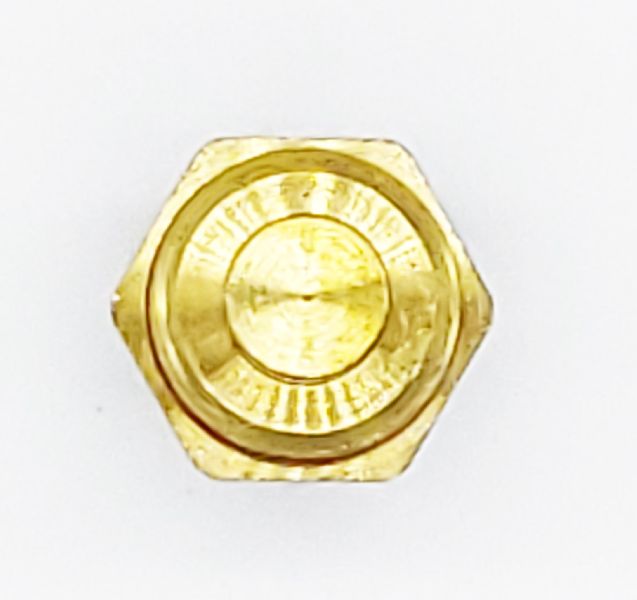
Thread Size: 3/8" NPT, Connector: 2-pin oval for sensor, 1-pin spade for sender.
We Have This Part in Stock


The information in this article is provided for general reference and educational purposes only. Vehicle specifications, procedures, and part compatibility can vary by production date, trim level, and region. Always consult your vehicle's factory service manual and verify part numbers before purchasing or performing repairs. Safety-critical components such as airbags, seat belts, and braking systems should be installed by a qualified professional.
- GMC P2500: