

A Comprehensive Guide to the 1981-1989 Honda Accord Ignition Coil
Keep your classic second or third-generation Accord running strong by understanding and choosing the right ignition coil.
- A failing ignition coil will cause major running issues like misfires, stalling, or a no-start condition.
- For this classic Accord, a high-quality aftermarket coil from a brand like NGK, Delphi, or Standard Ignition is a reliable and cost-effective choice.
- Replacing the coil is a simple, beginner-friendly DIY job that takes less than an hour.
- It is highly recommended to also replace the distributor cap, rotor, and spark plug wires when you replace the coil.
Understanding Your Accord's Ignition System
The 1981-1989 Honda Accord covers two distinct generations: the second (1981-1985) and the third (1986-1989). Both generations use a single ignition coil paired with a distributor, a common setup for vehicles of this era. This means one coil is responsible for generating the spark for all four cylinders. Over many years and miles, the heat and constant use can cause this single coil to wear out and fail. When it does, your engine's performance will suffer, or it may not run at all.
Signs of a Failing Ignition Coil
A bad ignition coil will give you clear warnings. Because the entire engine depends on it, symptoms are usually obvious and shouldn't be ignored. Look out for:
- Engine Misfires: The engine may shake, hesitate, or feel jerky, especially when you accelerate.
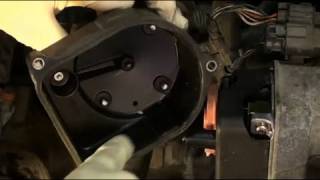
- No-Start or Hard Starting: The engine cranks but won't start, or takes a long time to finally fire up. 🎬 Watch this guide to diagnosing a crank but no start condition.
- Stalling: The engine may suddenly shut off while driving or idling.
- Rough Idle: Your car may vibrate or sound uneven when stopped.
- Loss of Power: Acceleration will feel weak or sluggish.
- Worse Fuel Economy: An inefficient spark means wasted fuel.
Pro Tip: Check Other Ignition Parts
When replacing your ignition coil, it's a smart move to also inspect and likely replace the distributor cap, rotor, and spark plug wires. These parts wear out together and a new coil will perform best with new companion parts.
Choosing the Right Aftermarket Ignition Coil
For a vehicle of this age, new OEM (Original Equipment Manufacturer) parts are often unavailable or extremely expensive. High-quality aftermarket parts are the most practical and affordable solution. Here’s a breakdown of the available brands to help you choose:
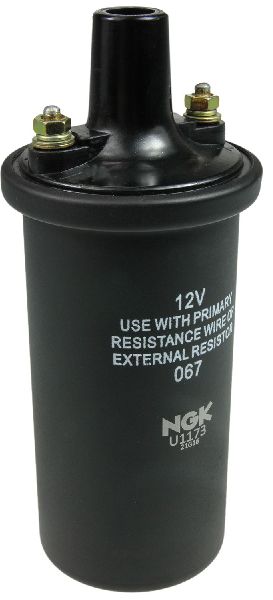
- Premium Brands (NGK, Delphi, Standard Ignition): These brands are well-known for making parts that meet or exceed original factory specifications. NGK is a top name in ignition systems, often used as an OEM supplier for Honda on newer models. Delphi and Standard Ignition (also known as SMP) also have a strong reputation for quality and reliability in the aftermarket. You can trust these brands for long-lasting performance.
- Performance Brand (Accel): Accel is known for performance and racing applications. While they offer coils that can provide a stronger spark, some user reviews mention reliability issues, with some parts failing prematurely. For a daily driver, a premium OE-style replacement is often a more reliable choice.
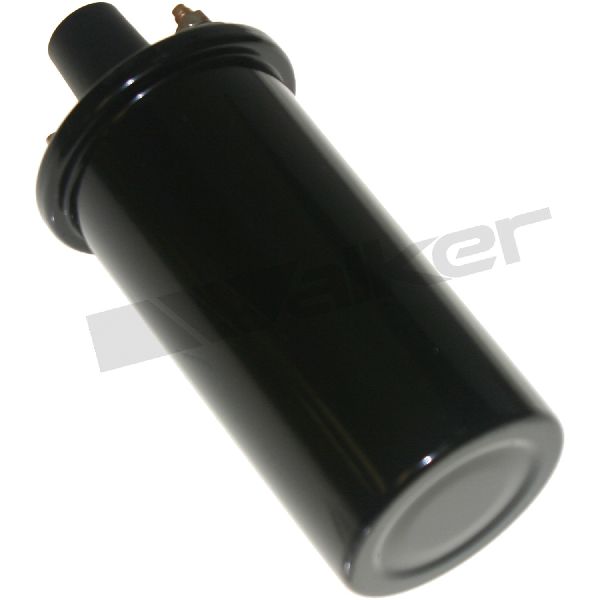
- Value Brands (Spectra, WAI Global, Walker Products, DriveWire, Global Parts): These brands offer a more budget-friendly option. They can be a good choice if cost is your primary concern, but may not have the same long-term durability or stringent quality control as the premium brands. For a critical part like an ignition coil, investing in a premium brand is often worth the small extra cost for peace of mind.
Estimated Costs for Replacement
| Part or Service | Estimated Cost |
|---|---|
| New Aftermarket Ignition Coil | $28 - $161 |
| New OEM Ignition Coil | $100+ (if available) |
| Used OEM Ignition Coil | $20 - $50 (Not Recommended) |
| Shop Labor | $60 - $120 |
A Note on Used Parts
While used ignition coils are cheap, they are not recommended. Electronics fail with age and heat cycles, and a used coil carries an unknown history and could fail at any time, leaving you stranded.
Frequently Asked Questions
Is it difficult to replace the ignition coil on my Accord?
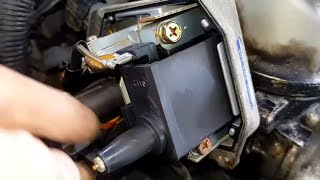
No, this is a very DIY-friendly job for most home mechanics. The coil is usually mounted externally on the firewall or near the distributor and is easy to access. It typically involves disconnecting the battery, unplugging two electrical connectors, removing the main high-tension wire, and unbolting the coil from its bracket. The entire process usually takes less than an hour.
Where is the ignition coil located?
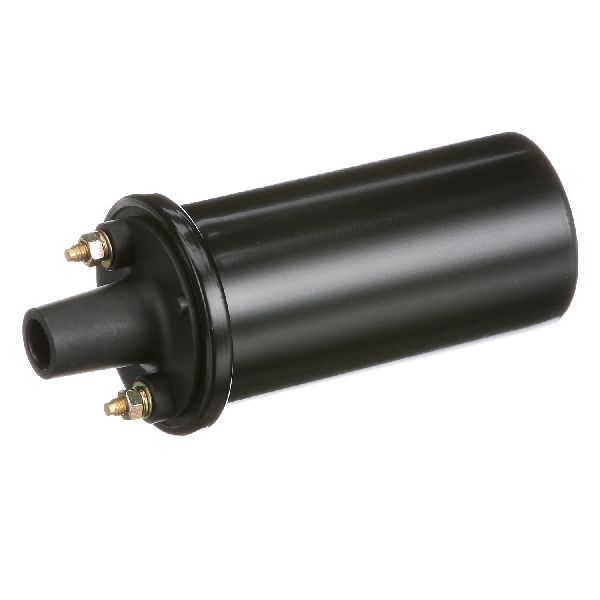
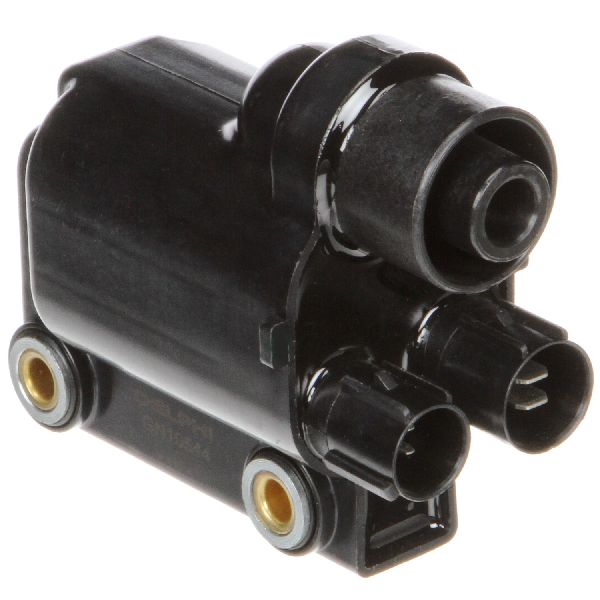
On the 1981-1989 Accords, the ignition coil is a canister-style component located in the engine bay. It is typically mounted to the firewall or an inner fender and has a large wire (the coil wire) running from its top to the center of the distributor cap.
Do I need a special "performance" coil?
For a stock or lightly modified engine, a high-quality standard replacement coil from a brand like NGK or Delphi is all you need. Performance coils that promise higher voltage may offer a small benefit on highly modified engines, but for a daily driver, reliability is more important. Some performance brands have mixed reviews on longevity.
How do I test my old ignition coil?
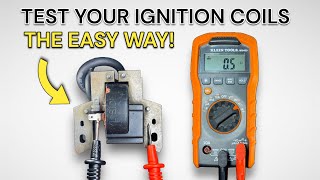
You can test an ignition coil with a multimeter to check the resistance of its primary and secondary windings. You would compare your readings to the specifications in a service manual. 🎬 See how to test any ignition coil with a multimeter. However, a coil can sometimes test good when cold but fail when it heats up. Given the low cost of a new part and the age of the vehicle, if you suspect the coil is bad, replacement is often the most efficient diagnostic step.
🎬 Watch a professional mechanic's approach to diagnosing a no-spark issue.Helpful Videos

Technical Specifications
OEM Part Numbers: 30500-PC1-004 30500-PH1-026 TC-03A
This vehicle uses a single, external, canister-style ignition coil that works with a distributor-based ignition system. It is a 12-volt coil with two low-voltage connectors and one high-voltage output tower.
We Have This Part in Stock


The information in this article is provided for general reference and educational purposes only. Vehicle specifications, procedures, and part compatibility can vary by production date, trim level, and region. Always consult your vehicle's factory service manual and verify part numbers before purchasing or performing repairs. Safety-critical components such as airbags, seat belts, and braking systems should be installed by a qualified professional.
- Honda Accord: