

Nissan Maxima Oxygen Sensor Guide: 1981-1989
Keep your classic Maxima running smoothly by understanding and replacing your oxygen sensor.
- Your 1981-1989 Maxima has only one upstream oxygen sensor.
- A bad sensor will cause poor fuel economy, rough running, and failed emissions tests.
- For best results on a Japanese car, consider direct-fit sensors from brands like NGK/NTK or Denso.
- Replacing the sensor is a manageable DIY task, but the old sensor can be difficult to remove due to rust.
Understanding the Oxygen Sensor in Your 1981-1989 Maxima
The oxygen sensor is a small but vital component screwed into your exhaust system. Its job is to 'sniff' the exhaust gases and tell the engine computer if the fuel mixture is too rich (too much fuel, not enough air) or too lean (too much air, not enough fuel). The computer uses this feedback to make constant adjustments, aiming for the perfect air-fuel ratio. This process, called 'closed-loop' operation, is essential for fuel efficiency and low emissions. Over time, sensors wear out from heat and contaminants, typically lasting between 60,000 and 100,000 miles.
Generation Differences
It's important to know which Maxima you have, as the parts can differ:
- First Generation (1981-1984): These models used the L24E inline 6-cylinder engine. They are equipped with a single, simple oxygen sensor.
- Second Generation (1985-1989): These models introduced the VG30E V6 engine. They also use a single oxygen sensor, located upstream of the catalytic converter.
Signs of a Failing Oxygen Sensor
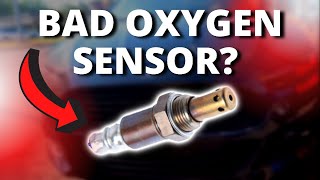
When an O2 sensor starts to fail, it sends bad information to the computer, causing a range of problems. You might notice 🎬 Watch this video to see common symptoms of a bad sensor. one or more of the following symptoms:
- Check Engine Light: This is the most common sign. On these older models, you may need a specialized tool or procedure to read the fault codes.
- Poor Fuel Economy: A bad sensor can cause the engine to run rich, wasting fuel.
- Rough Idle or Stalling: An incorrect air-fuel mixture can make your engine run erratically or stall at stops.
- Failed Emissions Test: A faulty O2 sensor is a common reason for failing a smog check due to high emissions.
- Rotten Egg Smell: A very rich fuel mixture can overwhelm the catalytic converter, producing a sulfur-like smell from the exhaust.
Potential for Catalytic Converter Damage
Driving for an extended period with a bad oxygen sensor can cause unburned fuel to enter the exhaust, potentially overheating and damaging your catalytic converter—a much more expensive repair.
Choosing the Right Aftermarket Oxygen Sensor
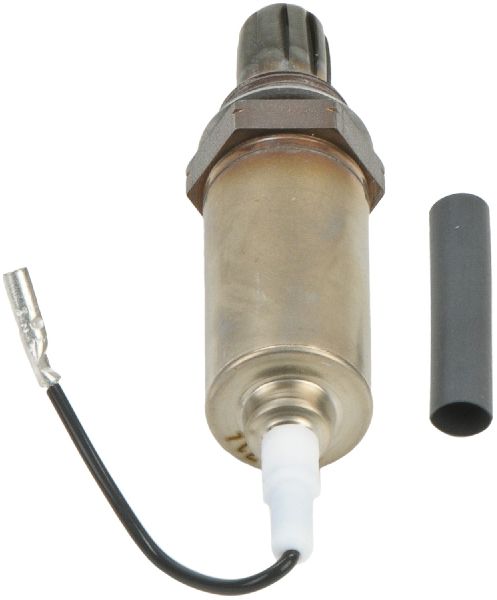
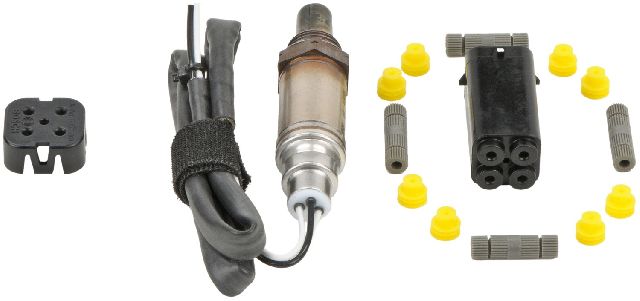
For a vehicle of this age, aftermarket parts are the most common and affordable solution. OEM parts may be difficult to find. Aftermarket quality can be excellent, especially when sticking with reputable brands. It's generally best to use a direct-fit sensor with the correct plug rather than a universal one that requires splicing wires.
Here’s a breakdown of common brands:
- Premium Brands (NGK/NTK, Bosch): NGK (under its sensor brand NTK) and Bosch are often original equipment suppliers for many Japanese and European cars. They are known for high-quality materials and reliable performance. For Japanese vehicles like your Maxima, many mechanics prefer NGK/NTK or Denso.
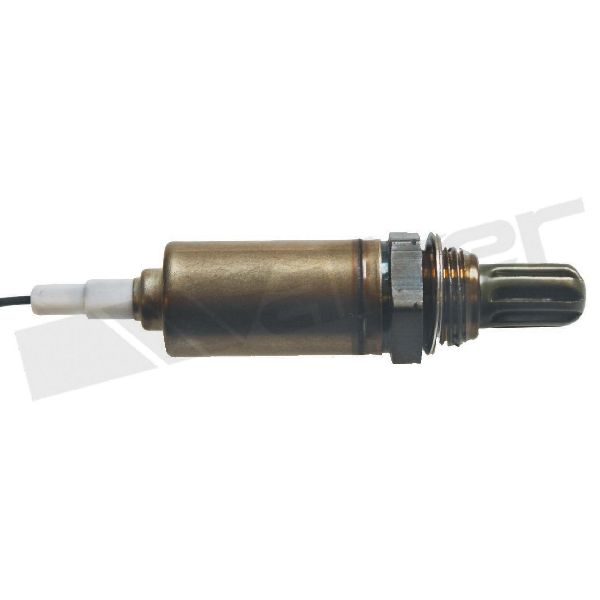
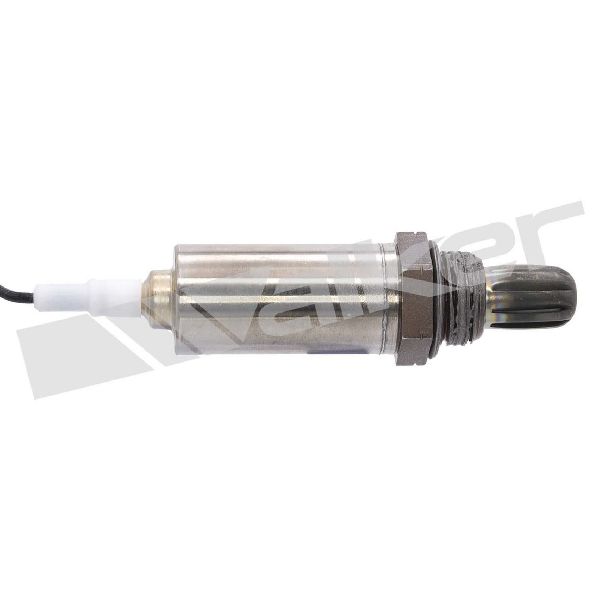
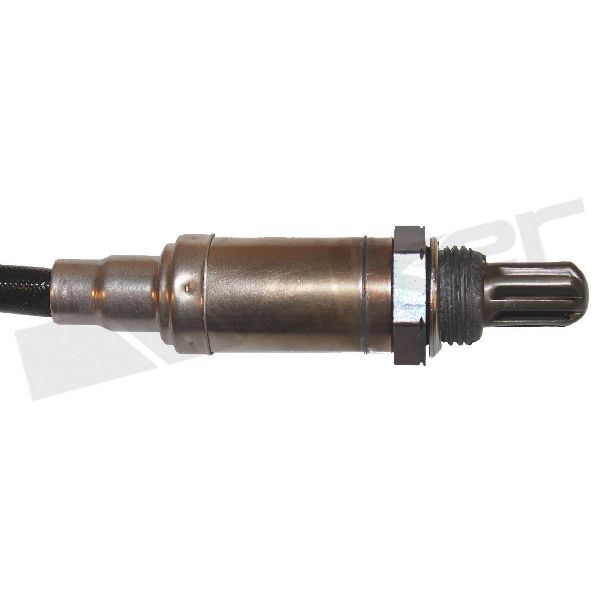
- Standard Brands (Delphi, Walker Products): These brands offer a good balance of quality and value. They are reputable names in the aftermarket and produce reliable sensors that often meet or exceed original specifications.
- Economy Brands (DriveWire): These are budget-friendly options. While they can work, they may not have the same longevity or precise calibration as premium or standard brands. They can be a good choice if the price is a primary concern.
Pro Tip: For Japanese vehicles, many professionals lean towards NGK/NTK or Denso sensors, believing they perform best in these applications. While Bosch invented the O2 sensor, some forums suggest their sensors are best matched to European cars that used them as original equipment.
| Item | Estimated Cost |
|---|---|
| New Aftermarket Oxygen Sensor | $33.50 - $109.54 |
| Shop Labor | $70 - $150 |
| Total Professional Replacement | $103.50 - $259.54 |
Frequently Asked Questions
How many oxygen sensors does my 1981-1989 Maxima have?
Your Maxima from this era has only one oxygen sensor. It is located "upstream," meaning it is in the exhaust manifold or downpipe before the catalytic converter.
Is this a difficult part to replace myself?
For most people with basic tools, this is a feasible DIY job. The sensor is usually visible on the exhaust manifold. The main challenges are accessing it and removing the old sensor, which can be seized by rust and heat. Using a special oxygen sensor socket and letting penetrating oil soak on the threads can help greatly.
🎬 See how to replace an oxygen sensor on a Nissan Maxima.Do I need a heated or unheated sensor?
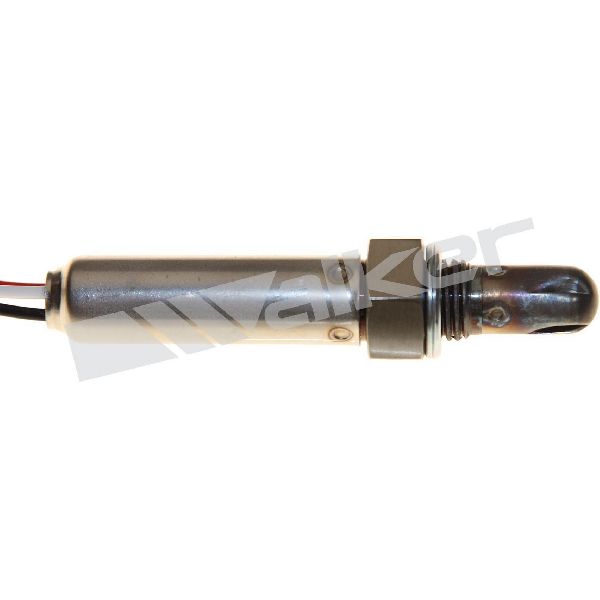
Sensors from this era can be either unheated (1-wire) or heated (3 or 4-wire). Heated sensors warm up faster, allowing the engine computer to enter its efficient 'closed-loop' mode sooner. It is crucial to buy the correct type for your specific year and model. A direct-fit part will ensure you have the correct configuration.
Are there any recalls for the oxygen sensor on my Maxima?
Searches of the National Highway Traffic Safety Administration (NHTSA) database show no recalls specifically for the oxygen sensor on the 1981-1989 Nissan Maxima. Any recalls for this vehicle would have been issued decades ago.
Helpful Videos
Technical Specifications
OEM Part Numbers: 22690-8J010
The 1981-1984 models with the L24E engine and 1985-1989 models with the VG30E engine use a single upstream oxygen sensor. Depending on the specific year and emissions equipment, this could be a 1, 3, or 4-wire sensor. It is crucial to match the wire count and connector type.
We Have This Part in Stock

The information in this article is provided for general reference and educational purposes only. Vehicle specifications, procedures, and part compatibility can vary by production date, trim level, and region. Always consult your vehicle's factory service manual and verify part numbers before purchasing or performing repairs. Safety-critical components such as airbags, seat belts, and braking systems should be installed by a qualified professional.
- Nissan Maxima: