

Plymouth Reliant Oxygen Sensor Guide: 1981-1989 Models
Fix poor mileage and rough idling on your K-car by choosing the right replacement oxygen sensor.
- A bad oxygen sensor will cause poor fuel economy, rough running, and a dashboard warning light.
- Choose a top-tier aftermarket brand like NTK or Denso for the best reliability on your Reliant.
- Replacement is a simple DIY job for most owners with a special O2 sensor socket.
- There are no outstanding recalls or TSBs for this part on your vehicle.
Is Your Reliant's Oxygen Sensor Failing?
An oxygen sensor doesn't last forever. Contaminants from the exhaust and age eventually cause it to fail. On a vehicle like the Plymouth Reliant, a bad oxygen sensor can cause noticeable problems because the early computer systems rely heavily on its signal to control the fuel mixture. Ignoring a failing sensor can lead to wasted fuel, poor performance, and potential damage to other expensive parts like the catalytic converter.
Symptoms of a Bad Oxygen Sensor in a Plymouth Reliant
Your Reliant might not have a modern "Check Engine" light, but it may have a "POWER LOSS" light that flashes to indicate a problem. You can often retrieve fault codes by turning the ignition key on-off-on-off-on. Besides a warning light, here are common symptoms:
- Terrible Gas Mileage: One of the most common signs is a sudden drop in fuel economy. Owners have reported getting as low as 10 MPG when the sensor fails.
- Rough Idle and Stalling: The engine may shake, idle unevenly, or stall when you come to a stop.
- Black Smoke and Bad Smell: Black smoke from the tailpipe or a "rotten egg" smell indicates the engine is running too rich (too much fuel), a direct result of the computer receiving bad data from the sensor.
- Hesitation or Stumbling: The car may chug or stumble when you try to maintain a steady speed.
Choosing the Right Aftermarket Oxygen Sensor
Original Mopar sensors for a vehicle this age are nearly impossible to find. Fortunately, several reliable aftermarket brands are available. For Chrysler products of this era, choosing a quality brand is important, as some owners report that cheaper sensors can cause performance issues.
Aftermarket Brand Quality Tiers
| Tier | Brands | Assessment |
|---|---|---|
| Top Tier (OEM Quality) | Denso, NTK (NGK) | Both Denso and NTK are original equipment manufacturers for many car brands, including Chrysler. They are widely considered the most reliable and best-performing aftermarket choices, offering a precise fit and accurate readings. |
| Mid-Grade | Bosch, Delphi | Bosch invented the oxygen sensor and is a major OEM supplier. However, many forum users have reported that their aftermarket sensors can be problematic on older Chrysler vehicles, sometimes causing running issues without triggering a fault code. Delphi is a reputable brand offering a solid replacement option. |
| Standard / Economy | Walker Products, DriveWire | These brands provide a functional and affordable replacement. They are a good choice for a budget repair, but may not offer the same longevity or exacting performance as the top-tier brands. |
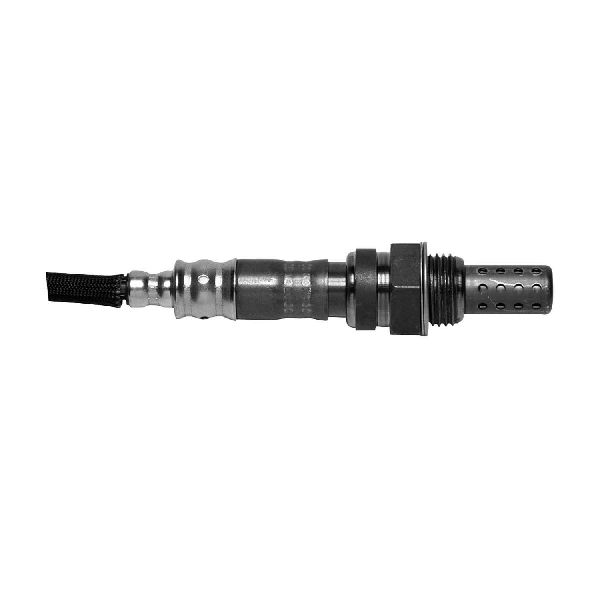
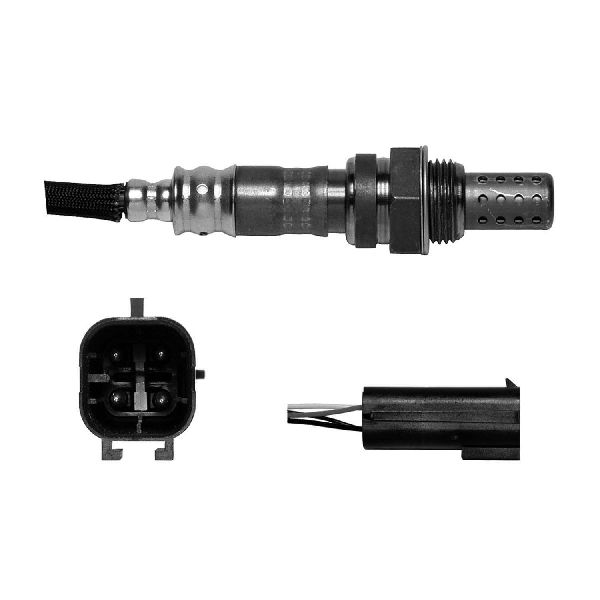
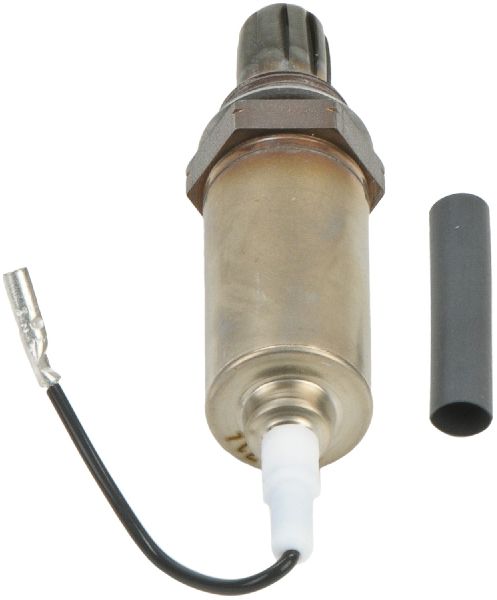
Pro Tip: Your Reliant uses a single, 4-wire heated oxygen sensor located upstream of the catalytic converter. Ensure the replacement part you buy is a "Direct Fit" model with the correct plug to avoid cutting or splicing wires.
Known Issues, Recalls, or TSBs
Searches of the National Highway Traffic Safety Administration (NHTSA) database show no recalls or specific technical service bulletins (TSBs) for the oxygen sensor on the 1981-1989 Plymouth Reliant.
Frequently Asked Questions
How difficult is it to replace the oxygen sensor myself?
This is a very DIY-friendly job. The sensor is located in the exhaust manifold and is usually accessible from the engine bay. You will need a special oxygen sensor socket to remove it. The most common difficulty is the old sensor being seized in the exhaust; using penetrating oil beforehand is highly recommended.
Do I need any special tools?
Yes, an oxygen sensor socket is highly recommended. It's a socket with a slot cut down the side for the wire to pass through. You can buy one at any auto parts store. A standard ratchet and possibly some penetrating oil for a stuck sensor are the other main tools needed.
Should I buy the cheapest sensor available?
While tempting, it's not recommended for this part. The engine computer's performance is directly tied to the sensor's accuracy. Forum discussions among Chrysler owners suggest that using top-tier brands like NTK or Denso leads to fewer headaches and better performance than economy or even some mid-grade brands.
How often should an oxygen sensor be replaced?
For vehicles from this era, sensors had a shorter lifespan than modern ones. A general guideline was to inspect or replace them every 30,000 to 60,000 miles. If your sensor is original, it is well past its expected service life.
Technical Specifications
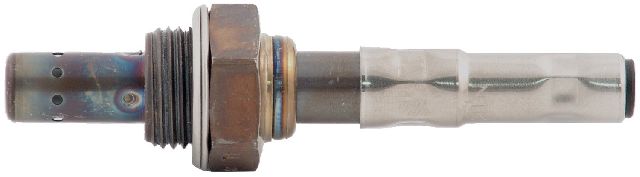
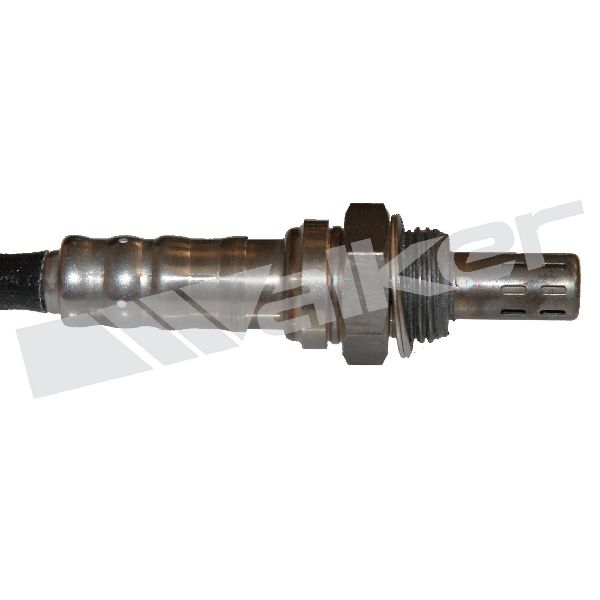
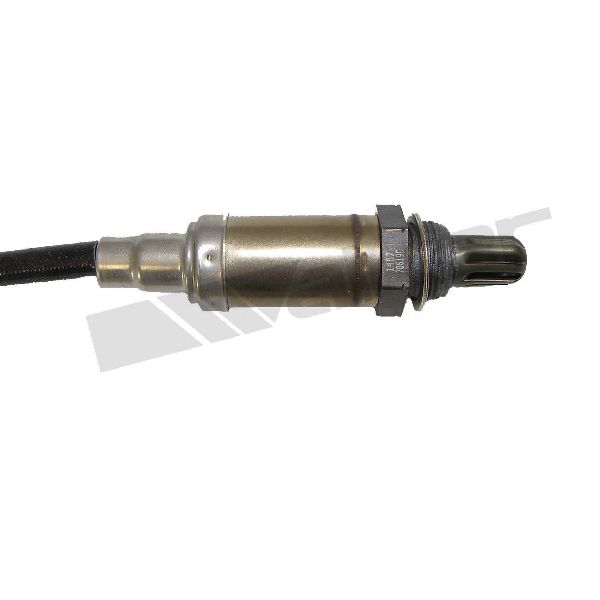
The 1981-1989 Plymouth Reliant typically uses a single, 4-wire, heated, direct-fit oxygen sensor located in the exhaust manifold.
We Have This Part in Stock

The information in this article is provided for general reference and educational purposes only. Vehicle specifications, procedures, and part compatibility can vary by production date, trim level, and region. Always consult your vehicle's factory service manual and verify part numbers before purchasing or performing repairs. Safety-critical components such as airbags, seat belts, and braking systems should be installed by a qualified professional.
- Plymouth Reliant: