

Choosing the Right Spark Plugs for Your 1981-1989 Plymouth Reliant
Keep your classic K-car running smoothly with the correct set of new spark plugs.
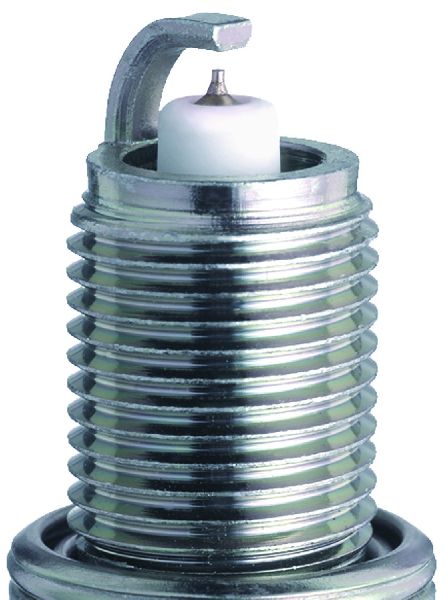
- Stick with standard copper-core spark plugs from brands like Champion, NGK, or Autolite for the best performance and value.
- Do not waste money on expensive iridium or platinum plugs, as they provide no real benefit for the Reliant's ignition system.
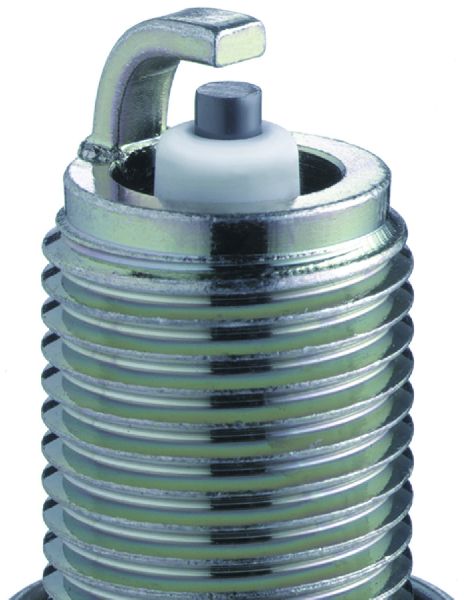
- Always check and adjust the spark plug gap to 0.035 inches before installation.
- Replacing spark plugs is a very easy and inexpensive DIY job that can be done in under 30 minutes with basic tools.
Signs of a Bad Spark Plug
When spark plugs wear out, the engine can't run its best. The gap on the plug gets too wide, or the electrodes get covered in deposits. This makes the spark weak and unreliable. Look for these common signs that it's time for a change.
- Rough Idle: The engine shakes or sputters when you're stopped at a light.
- Hesitation or Misfiring: The car may stumble or jerk during acceleration because a cylinder isn't firing correctly.
- Difficulty Starting: A weak spark makes it harder for the engine to turn over, especially in cold or damp weather.
- Poor Fuel Economy: The engine has to burn more fuel to do the same amount of work when combustion is inefficient.
- Sluggish Acceleration: If your Reliant feels slow or weak when you press the gas pedal, old plugs could be the cause.
Choosing the Right Aftermarket Spark Plug
Your Plymouth Reliant's ignition system was designed in the 1980s. It is simple and robust, but it was made for a specific type of spark plug. While modern iridium and platinum plugs are available, they are not a necessary upgrade and may not provide any benefit. For these Chrysler engines, standard copper-core plugs are the best choice for performance and value.
Brand Tiers for Your Reliant
Tier 1: Recommended (OEM Style)
These brands offer standard copper-core plugs that are very similar to what Chrysler used at the factory. They provide excellent performance for this engine at a great price. Plan to replace them every 20,000-30,000 miles.
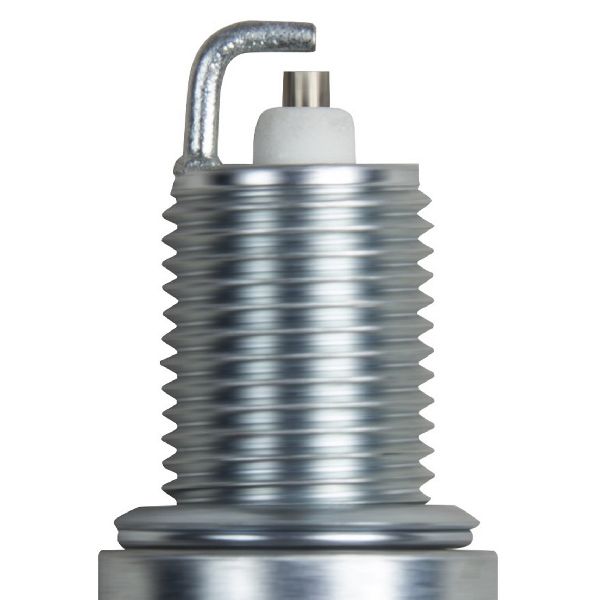
- Champion: Champion was a frequent Original Equipment (OE) supplier for Chrysler during this era. Their standard Copper Plus plugs are a reliable and authentic choice.
- NGK: NGK is a top-tier brand known for quality. Their V-Power copper plugs are a highly-regarded option that works very well in these engines.
- Autolite: A solid, budget-friendly choice that provides reliable performance for a standard tune-up.
Tier 2: Acceptable Alternatives
These brands also make quality plugs. While they may offer more expensive platinum or iridium options, it's best to stick with their standard copper or nickel-copper offerings for your Reliant.
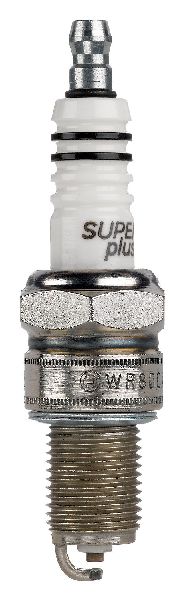
- Bosch: A quality German brand. Their standard nickel-copper plugs are a good fit. Some mechanics prefer to stick with Champion or NGK for non-European cars.
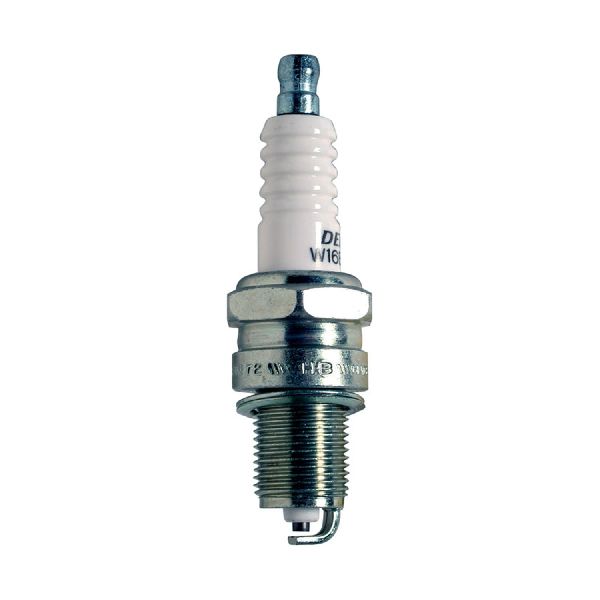
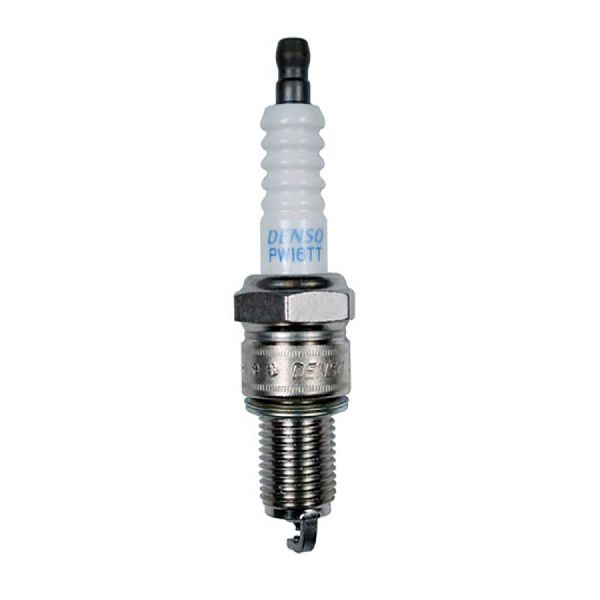
- Denso: A top-tier Japanese manufacturer known for OE quality. Their standard copper plugs are an excellent choice.
Pro Tip: Stick with Copper
Your Reliant's ignition system was designed for copper-core spark plugs. While expensive platinum or iridium plugs last longer, they won't add performance to this engine and can sometimes cause a weaker spark with older ignition coils. Save your money and stick with what works: fresh copper plugs from a good brand.
Cost to Replace Plymouth Reliant Spark Plugs
| Part Type | Price Range (Set of 4) |
|---|---|
| New Aftermarket (Recommended) | $13 - $25 |
| Shop Labor | $60 - $100 |
Known Issues, Recalls, or TSBs
Searches for recalls and Technical Service Bulletins (TSBs) related to spark plugs on the 1981-1989 Plymouth Reliant did not return any specific issues. Any problems with spark plugs on a vehicle of this age are typically due to normal wear and tear or lack of maintenance, not a manufacturing defect. Some owners report intermittent starting issues, particularly in damp weather, which can be related to the broader ignition system including plugs, wires, and the distributor cap.
Frequently Asked Questions
How often should I change the spark plugs on my Plymouth Reliant?
For standard copper-core plugs, which are the recommended type for this car, you should replace them every 20,000 to 30,000 miles as part of a regular tune-up.
Do I need to check the gap on the new spark plugs?
Yes. Even though most plugs come "pre-gapped," you should always double-check the gap with a feeler gauge before installation. The correct gap is critical for performance. The required gap for most 2.2L and 2.5L engines is 0.035 inches, but always verify with your owner's manual or a repair manual.
Should I use anti-seize on the spark plug threads?
This is a topic of debate. Some plug manufacturers, like NGK and Bosch, apply a special anti-corrosion plating to their plugs and recommend NOT using anti-seize, as it can lead to over-torquing. Other mechanics recommend a very small amount. If you do use it, reduce the manufacturer's torque specification by about 10-15%.
Is replacing the spark plugs a good DIY job?
Yes, this is a very easy job for a beginner. The spark plugs on the Reliant's 4-cylinder engines are located right on the front of the engine and are easy to access. You only need a few basic tools like a ratchet, an extension, and a spark plug socket.
Technical Specifications
OEM Part Numbers: RN12YC
Engine: 2.2L / 2.5L Inline-4. Recommended Plug Type: Copper Core. Spark Plug Gap: 0.035 inches. Torque Spec (Aluminum Head): 15-22 lb-ft.
We Have This Part in Stock

The information in this article is provided for general reference and educational purposes only. Vehicle specifications, procedures, and part compatibility can vary by production date, trim level, and region. Always consult your vehicle's factory service manual and verify part numbers before purchasing or performing repairs. Safety-critical components such as airbags, seat belts, and braking systems should be installed by a qualified professional.
- Plymouth Reliant: