

Guide to the Throttle Position Sensor for the 1981-1990 GMC G3500
Fix hesitation, stalling, and rough idle on your TBI-equipped G3500 van by understanding and replacing the throttle position sensor.
- A bad TPS on a TBI G3500 causes hesitation, rough idle, stalling, and poor power.
- Replacement is easy and DIY-friendly, located on the side of the throttle body.
- You MUST adjust the new sensor with a multimeter to the correct voltage to fix the issue.
- Choose a quality aftermarket brand like Standard Ignition or NGK for the best reliability.
Is a Bad Throttle Position Sensor Causing Your G3500's Problems?
If your 1981-1990 GMC G3500 with Throttle Body Injection (TBI) isn't running right, the Throttle Position Sensor (TPS) is a common part to fail. Because it directly tells the computer what your foot is doing, a bad sensor can cause many confusing problems. The symptoms often feel like a fuel pump issue or even a transmission problem. Look for these common signs of TPS failure.
Symptoms of a Failing G3500 Throttle Position Sensor
A bad TPS sends wrong signals to your van's computer, leading to noticeable driving issues. Here are the most common symptoms owners experience:
- Hesitation or Stumbling: The engine bogs down or hesitates when you press the gas pedal. This happens because the computer gets a delayed or incorrect signal about how much you want to accelerate.
- Rough or Erratic Idle: Your engine's idle speed might be too high, too low, or surge up and down for no reason.
- Stalling: The engine may die when you come to a stop or let your foot off the gas pedal.
- Poor Acceleration and Lack of Power: The van feels sluggish and weak, even when you push the pedal hard.
- Hard Shifting: The automatic transmission may shift abruptly or at the wrong time. The computer uses the TPS signal to help control shift points, and bad data causes confusion.
- Check Engine Light: While less common on the earliest models, a failing TPS can trigger the 'Check Engine' or 'Service Engine Soon' light on the dashboard.
Pro Tip: Manual Adjustment is Required
For this generation of GM TBI engines, you cannot just bolt on a new TPS and expect it to work perfectly. The new sensor must be adjusted with a digital multimeter to set the correct idle voltage (usually around 0.5 volts with the key on, engine off). Skipping this critical step will lead to continued performance problems, even with a brand-new part.
Choosing the Right Aftermarket TPS for Your G3500
Finding a genuine GM part for a vehicle of this age is nearly impossible. The market relies on aftermarket brands. Quality can vary, so it's important to choose wisely. Here’s a breakdown of the available brands:
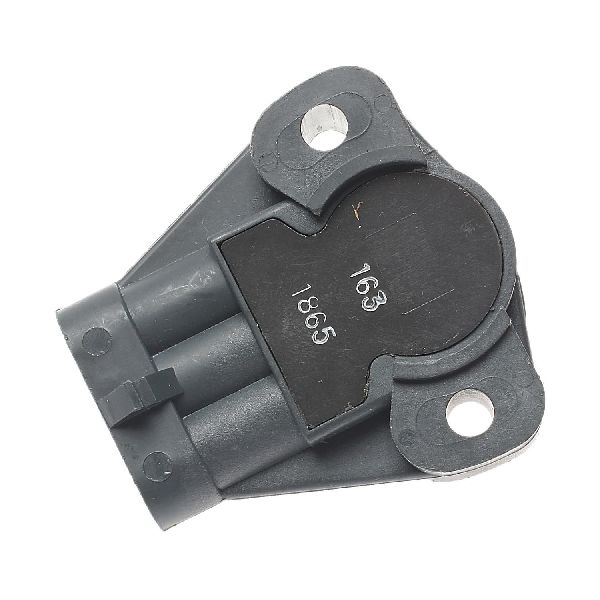
- Premium Brands (NGK, Standard Ignition): These brands have a strong reputation for producing high-quality sensors that meet or exceed original equipment (OE) specifications. NGK (under their NTK sensor line) and Standard Motor Products (SMP) are well-regarded in the industry and are often recommended by professional mechanics. Choosing one of these brands is a reliable investment for this critical part.
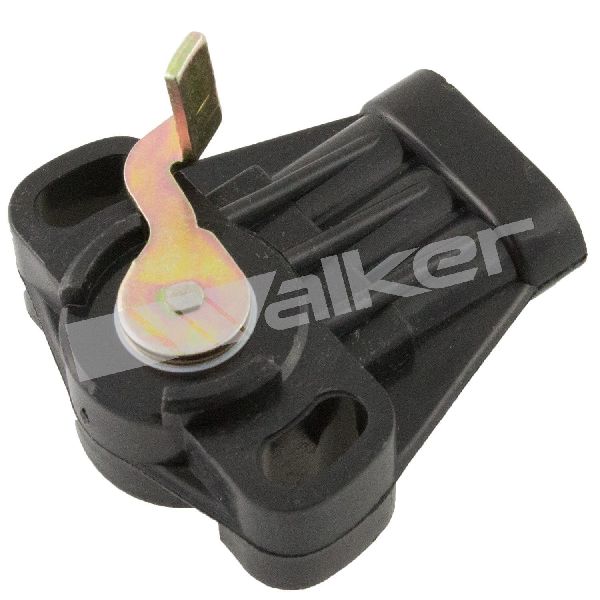
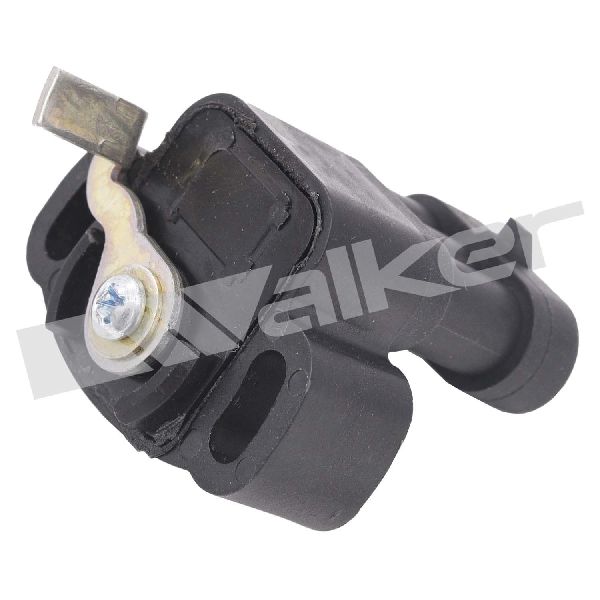
- Mid-Tier Brands (Walker Products): Walker Products is an established aftermarket company that offers a wide range of sensors. They are generally considered a good value, providing functional replacements that get the job done. However, they may not always have the same reputation for longevity as premium brands.
- Standard/Economy Brands (Motorad, True Tech): These brands typically offer the most budget-friendly options. While they are designed to be direct-fit replacements, user feedback on brands like Motorad for other components can be mixed. A sensor from this tier can solve the immediate problem, but may not be the most durable long-term solution.
| Item | Estimated Cost |
|---|---|
| New Aftermarket Part | $56 - $400 |
| Shop Labor | $100 - $150 |
| Total Estimated Cost (Installed) | $156 - $550 |
Frequently Asked Questions
Do I need special tools to replace the TPS?
You will need basic hand tools, including a Torx driver (usually a T20 or T25) for the mounting screws. The most important special tool is a digital multimeter, which is required to properly adjust the new sensor's voltage after you install it.
Is this a good DIY job for a beginner?
Yes. Replacing the TPS is a very beginner-friendly job. The sensor is easy to access on the side of the throttle body, right on top of the engine. The entire process, including adjustment, can usually be done in under an hour.
Are there any recalls for the G3500 throttle position sensor?
No. A search of the National Highway Traffic Safety Administration (NHTSA) database shows no recalls or technical service bulletins (TSBs) for the throttle position sensor on the 1981-1990 GMC G3500. Any related GM recalls are for much newer vehicles.
What is the difference between a cheap and expensive aftermarket TPS?
The price difference often comes down to the quality of the internal components, the level of testing, and the brand's reputation. Premium brands like NGK and Standard Ignition invest more in engineering and quality control to ensure the sensor provides a smooth, accurate signal for a long time. Economy brands may use materials that wear out faster, leading to a shorter lifespan.
Technical Specifications
OEM Part Numbers: 17111471 17111162
Located on the driver's side of the Throttle Body Injection (TBI) unit. Secured with two Torx screws. Features a 3-pin electrical connector.
We Have This Part in Stock


The information in this article is provided for general reference and educational purposes only. Vehicle specifications, procedures, and part compatibility can vary by production date, trim level, and region. Always consult your vehicle's factory service manual and verify part numbers before purchasing or performing repairs. Safety-critical components such as airbags, seat belts, and braking systems should be installed by a qualified professional.
- GMC G3500: