

Jeep Cherokee XJ Serpentine Belt Guide: 1987-1990 Models
Everything you need to know before buying a new serpentine belt for your 4.0L or 2.5L Cherokee XJ.
- First, confirm your 1984-1990 Cherokee has a serpentine belt; 1987-1990 4.0L and 2.5L models do, while earlier years used V-belts.
- Do not drive if the belt is broken; it will cause a loss of power steering and rapid engine overheating.
- For best results, choose a quality aftermarket brand like Gates, Continental, or Dayco.
- When replacing the belt, always inspect the tensioner and idler pulleys for noise or wobble and replace if necessary.
V-Belts vs. Serpentine Belts: A Critical Distinction for 1981-1990 Cherokees
Before you buy a serpentine belt, you must confirm your Jeep Cherokee actually uses one. The 1981-1990 period covers a transition for Jeep. The unibody Cherokee XJ was introduced in 1984. Models from 1984-1986 with the 2.5L four-cylinder and 2.8L V6 engines used a multiple V-belt system. The single serpentine belt was introduced on the 4.0L six-cylinder engine in 1987 and on the 2.5L four-cylinder engine around the same time. This guide focuses specifically on the 1987-1990 Jeep Cherokee XJ models equipped with a serpentine belt.
Signs of a Failing Serpentine Belt
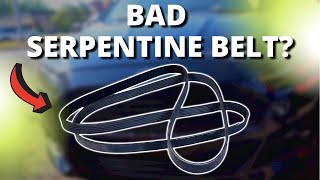
A failing serpentine belt will give you several warning signs. Ignoring them can leave you stranded. 🎬 Watch: Common symptoms of a bad serpentine belt Listen for squealing or chirping noises from the engine bay, especially on startup or when turning on the A/C. A visual inspection can reveal cracks, fraying, missing ribs, or a glazed, shiny appearance on the belt. You might also experience functional issues like dimming headlights, a battery warning light, loss of power steering, or your engine running hotter than normal.
What Happens When a Serpentine Belt Breaks?
If the serpentine belt snaps while driving, you will immediately lose power to all its accessories. The power steering will fail, making the wheel very hard to turn. The alternator will stop charging the battery, which will cause the Jeep to stall once the battery's reserve power is depleted. Most critically, the water pump will stop circulating coolant, leading to rapid engine overheating and potential for severe engine damage.
Choosing the Right Aftermarket Serpentine Belt
For a vehicle like the 1987-1990 Cherokee XJ, aftermarket parts offer excellent value. The original Mopar belts are often discontinued or hard to find, and quality aftermarket brands meet or exceed original specifications. Here’s a breakdown of available brands:
- Top Tier (Excellent Quality): Brands like Gates, Continental, and Dayco are highly regarded by professional mechanics and DIYers. They are known for using high-quality EPDM rubber that resists heat and cracking, ensuring a long service life. Many users in forums recommend Gates or Continental as their go-to choice for reliability.
- Jeep-Specific Aftermarket (Good Quality): Crown Automotive is a well-known brand in the Jeep community that offers direct-fit replacement parts. It is generally considered a solid choice, often viewed as a step above generic parts.
- Standard/Budget Tier (Acceptable Quality): Brands like Omix-Ada and Skyward fall into this category. Omix-Ada offers a wide range of Jeep parts, but community feedback on quality is mixed compared to top-tier brands. These belts will function correctly and meet basic requirements, making them a cost-effective choice for less critical applications or budget-conscious repairs.
Pro Tip: Check Your Tensioner and Pulleys
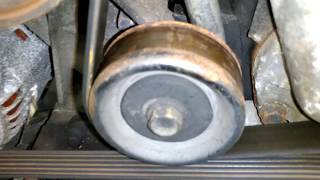
When replacing your serpentine belt, it's the perfect time to inspect the belt tensioner and idler pulleys. Spin them by hand (with the old belt off). If they feel rough, make noise, or wobble, they should be replaced. A worn-out pulley can destroy a new belt quickly.
🎬 See how to identify a squeaky belt pulley| Part/Service | Estimated Cost |
|---|---|
| New Aftermarket Serpentine Belt | $21 - $71 |
| Shop Labor | $75 - $150 |
| Total Professional Replacement | $96 - $221 |
Frequently Asked Questions
Can I replace the serpentine belt on my Cherokee XJ myself?
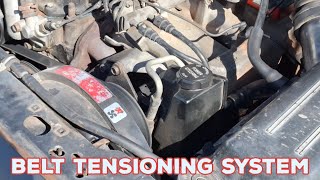
Yes, this is a very common DIY job for XJ owners. The belt tensioner on these models is a manual screw-type adjuster. 🎬 Watch: How to use the XJ belt tensioning system The process involves loosening the pulley bolt and then backing off the long tensioner screw to create slack. It typically requires a 15mm wrench and socket. While straightforward, it's important to remember the belt's routing. Taking a picture before you remove the old belt is highly recommended.
How often should I replace the serpentine belt?
While some modern belts are designed to last up to 100,000 miles, it's best to inspect the belt on your Cherokee at every oil change. Due to age, heat, and potential oil leaks, a general replacement interval of 50,000 to 60,000 miles is a safe practice to prevent being stranded by a broken belt.
Is a squealing belt always a bad belt?
Not always, but it's a sign that something needs attention. The squeal is caused by the belt slipping. This can be due to a worn, glazed belt, but it can also be caused by low tension, a weak tensioner, or fluid (like oil or coolant) contaminating the belt and pulleys. Always investigate the source of the noise.
What is the correct serpentine belt for my 1987-1990 Cherokee?
The correct belt depends on your engine (2.5L or 4.0L) and whether your Jeep has air conditioning. For example, the belt for a 4.0L engine is approximately 102.5 inches long. Always use your vehicle's specific details (year, engine, A/C) to confirm you are buying the correct part number.
Helpful Videos

Technical Specifications
OEM Part Numbers: 53002899
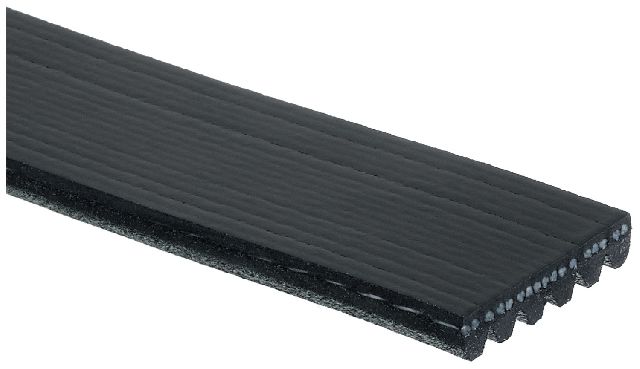
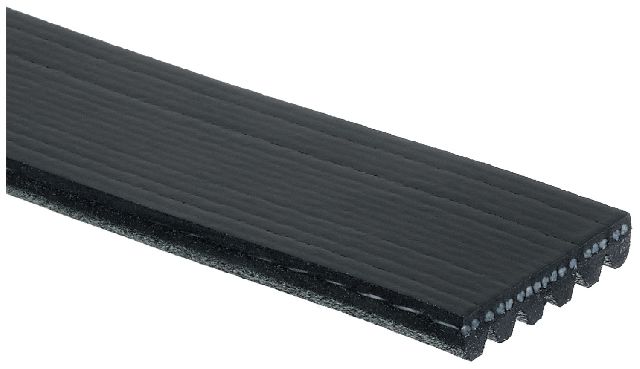
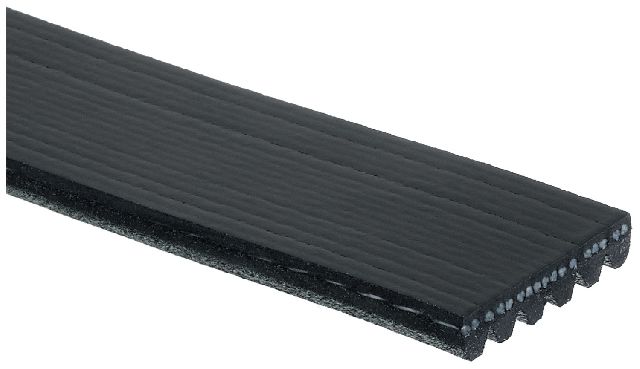
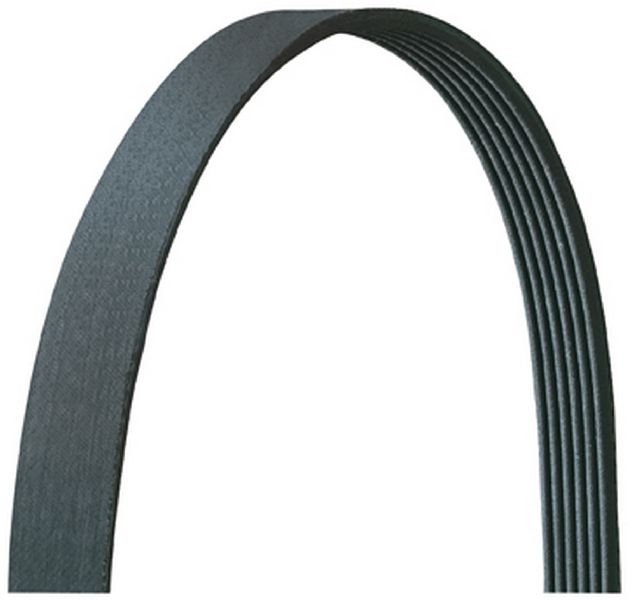
For the 1987-1990 4.0L engine with A/C, the belt is a 6-rib design with an effective length of approximately 102.5 inches. The 2.5L engine and models without A/C use different lengths. Always verify fitment with your vehicle's specific configuration.
We Have This Part in Stock

The information in this article is provided for general reference and educational purposes only. Vehicle specifications, procedures, and part compatibility can vary by production date, trim level, and region. Always consult your vehicle's factory service manual and verify part numbers before purchasing or performing repairs. Safety-critical components such as airbags, seat belts, and braking systems should be installed by a qualified professional.
- Jeep Cherokee:
- 🎬 Helpful Videos
- 🛍️ Shop This Part
- V-Belts vs. Serpentine Belts: A Critical Distinction for 1981-1990 Cherokees
- Signs of a Failing Serpentine Belt
- What Happens When a Serpentine Belt Breaks?
- Choosing the Right Aftermarket Serpentine Belt
- Pro Tip: Check Your Tensioner and Pulleys
- Frequently Asked Questions
- 🎟️ Get 5% Off