

A Mechanic's Guide to the Starter on a 1981-1991 Honda Civic
Diagnose common starting problems and choose the right replacement starter to get your classic Civic running reliably again.
- Always check your battery, terminals, and ground connections before replacing the starter; these are common failure points on older Civics.
- Symptoms like a single loud click, slow cranking, or no crank at all strongly point to a failing starter.
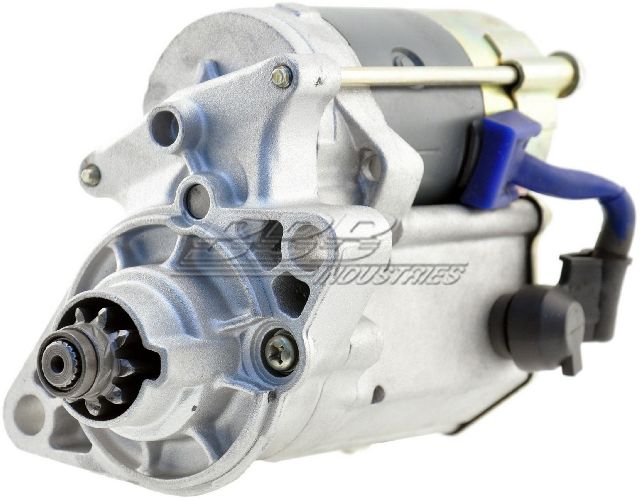
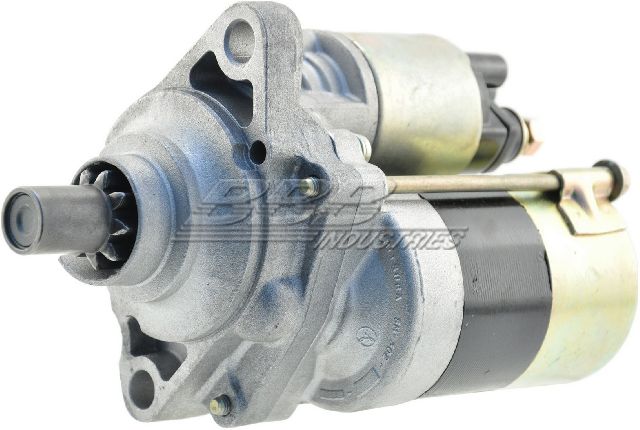
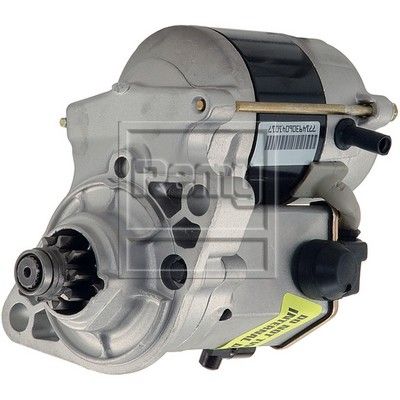
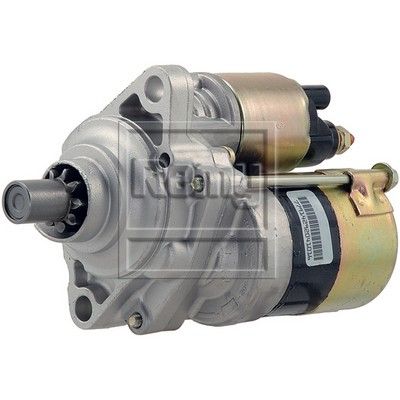
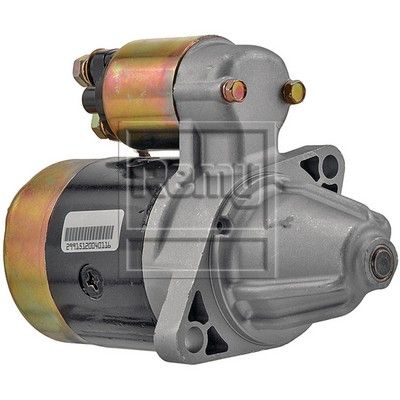
- New aftermarket starters from brands like BBB Industries or Remy are reliable and cost-effective options, as new OEM parts are unavailable.
- Replacing the starter is a manageable DIY job for most owners, typically requiring 1-2 hours and basic hand tools.
Is Your 1981-1991 Honda Civic Starter Failing?
If you turn the key and nothing happens or you just hear a click, the starter is a likely culprit. On these classic Civics, the starting system is straightforward, but it's important to know the signs of failure. A bad starter can leave you stranded, so addressing the issue early is key.
Check Your Battery and Grounds First!
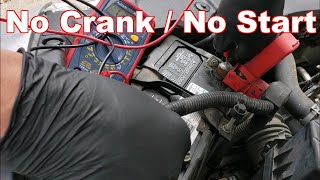
Before condemning your starter, make sure your battery is fully charged and the terminals are clean and tight. A weak battery is the most common cause of a no-start condition. Also, check the main ground straps from the battery to the chassis and from the transmission to the frame; a poor ground connection can prevent the starter from getting enough power. A simple test is to turn on your headlights; if they are bright, your battery is likely okay, but if they dim significantly when you try to crank the engine, it points to a battery or connection issue.
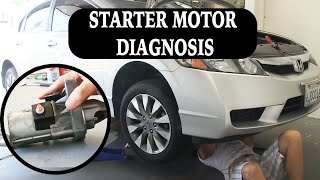
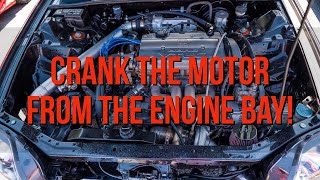
🎬 Watch: Step-by-step diagnosis for a Honda that won't crank.Common Symptoms of a Bad Starter
- Single Loud Click: You turn the key and hear one distinct "click" from the engine bay, but the engine doesn't turn over. This often means the starter solenoid is engaging, but the motor itself isn't spinning.
- No Sound at All: If there are no sounds when you turn the key (and the battery is good), the problem could be the starter solenoid, ignition switch, or wiring.
- Slow, Labored Cranking: The engine turns over much slower than usual, as if the battery is weak. If the battery is known to be good, the starter motor may be worn out and drawing too much power.
- Grinding or Whirring Noise: A grinding sound after the engine has started can indicate the starter gear is not disengaging from the flywheel correctly. A whirring noise without the engine turning over suggests the starter motor is spinning but not engaging the flywheel.
Choosing a New Aftermarket Starter
For a vehicle from this era, finding a new Original Equipment Manufacturer (OEM) starter from Honda is nearly impossible. The market is now served almost exclusively by new and remanufactured aftermarket parts, which are a perfectly reliable choice for these vehicles.
When shopping for a replacement, you'll encounter brands like BBB Industries and Remy. Here’s an honest assessment:
- Brand Reputation: Both BBB Industries and Remy are major players in the aftermarket electrical parts world. They supply parts to many large auto parts retailers. Forum discussions show mixed, but generally acceptable, real-world results for both brands, which is common for aftermarket parts. Some users have great success, while others experience occasional premature failures.
- New vs. Remanufactured: Both brands offer new and remanufactured units. A new aftermarket starter has all-new components and often comes with a good warranty. A remanufactured starter has been rebuilt from an original core, with worn or failed parts replaced. For this Civic, a new aftermarket unit provides excellent value and peace of mind.
Pro Tip: Match the Transmission
Ensure the starter you purchase is correct for your specific transmission type (manual or automatic), as there can be differences in fitment. Always verify the part against your vehicle's specifications before ordering.
Starter Replacement Cost for 1981-1991 Honda Civic
The cost to replace the starter on this generation of Civic is very reasonable. The part itself is affordable, and if you have basic tools, you can save significant money by doing the job yourself.
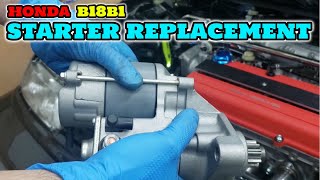
🎬 See this walkthrough for installing a starter on a 1991 Civic.| Part/Service | Estimated Cost |
|---|---|
| New Aftermarket Starter | $98 - $138 |
| Shop Labor | $150 - $250 |
| Total Professional Replacement | $248 - $388 |
Frequently Asked Questions (FAQ)
Can I replace the starter on my 1981-1991 Civic myself?
Yes, this is a very DIY-friendly job for someone with basic mechanical skills and tools. Access is generally good after removing the air intake components. The starter is typically held on by just two bolts, though the lower bolt can sometimes be tricky to reach from above.
How do I know it's the starter and not the battery?
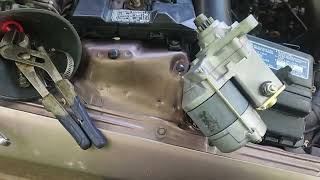
A simple way to test is to try jump-starting the car. If it starts right up with a jump, your battery is the likely problem. If it still just clicks or won't crank even with a jump, the starter is the primary suspect. 🎬 Watch: How to bench test your Honda starter motor. Also, check that your battery terminals are clean and tight.
How long should a new starter last?
A quality new aftermarket starter should last for many years and tens of thousands of miles. Most failures on older vehicles are simply due to the high mileage and age of the original component.
Are there any recalls for the starter on my 1981-1991 Civic?
No, there are no active recalls or common Technical Service Bulletins (TSBs) from Honda for the starter motor on the 1981-1991 Civic models.
Helpful Videos
Technical Specifications
OEM Part Numbers: 31200-P01-902 31200-P03-901 31200-P03-902 31200-P03-903 31200-P03-904
12 Volt, Clockwise Rotation. Power rating and gear tooth count may vary slightly by specific engine and transmission combination.
We Have This Part in Stock

The information in this article is provided for general reference and educational purposes only. Vehicle specifications, procedures, and part compatibility can vary by production date, trim level, and region. Always consult your vehicle's factory service manual and verify part numbers before purchasing or performing repairs. Safety-critical components such as airbags, seat belts, and braking systems should be installed by a qualified professional.
- Honda Civic:
- 🎬 Helpful Videos
- 🛍️ Shop This Part
- Is Your 1981-1991 Honda Civic Starter Failing?
- Check Your Battery and Grounds First!
- Common Symptoms of a Bad Starter
- Choosing a New Aftermarket Starter
- Pro Tip: Match the Transmission
- Starter Replacement Cost for 1981-1991 Honda Civic
- Frequently Asked Questions (FAQ)
- 🎟️ Get 5% Off