

Choosing the Right Spark Plugs for Your 1981-1991 Jaguar XJS
Keep your classic Jaguar's V12 or 6-cylinder engine running smoothly with the correct set of plugs.
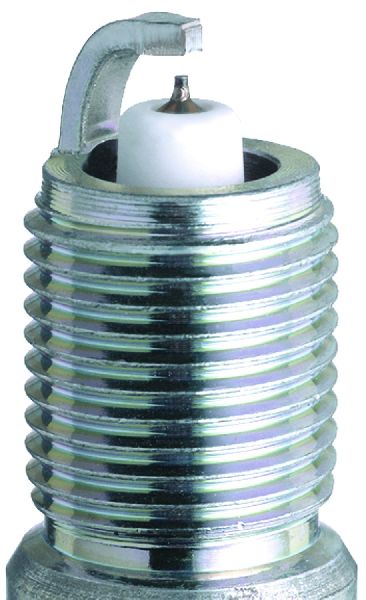
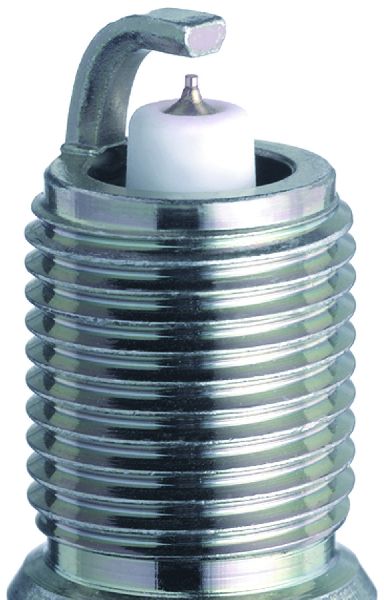
- NGK is the overwhelmingly recommended aftermarket spark plug brand for the XJS.
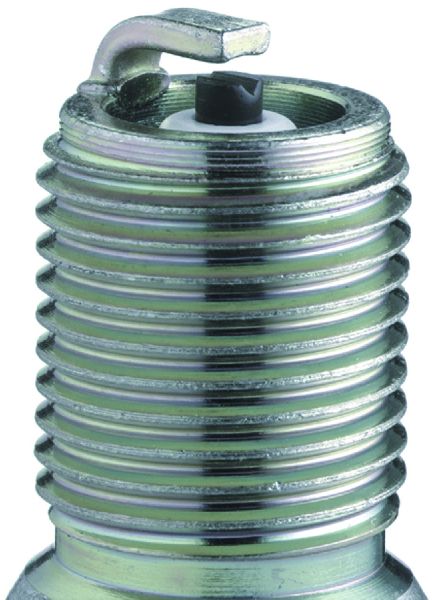
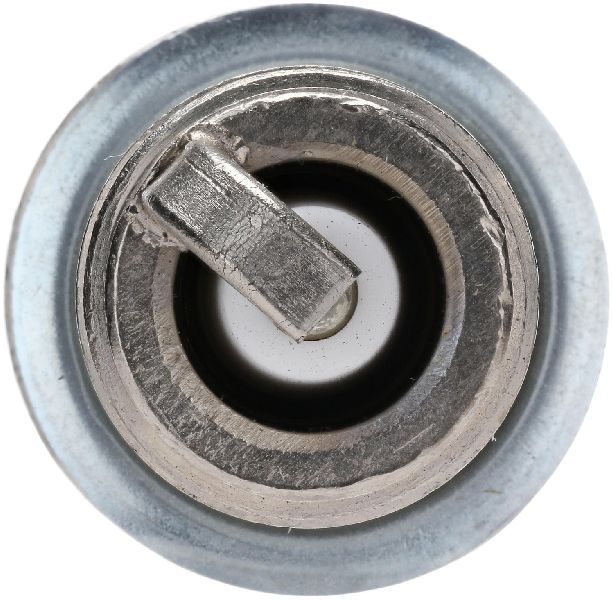
- The correct spark plug gap for the V12 H.E. engine is a narrow 0.025 inches; always verify before installing.
- Spark plugs are notorious for seizing in the aluminum heads; always use anti-seize compound and be gentle during removal.
- Replacement on the V12 is a time-consuming job that requires removing other components for access.
Signs of Failing Spark Plugs
When your XJS's spark plugs are wearing out, your car will tell you. You might notice the engine is hard to start, especially when cold. A rough idle, engine hesitation, or a noticeable drop in power are also common signs. Because these symptoms can point to other ignition issues, like problems with the notorious Marelli ignition system on some V12 models, it's important to check the plugs first as part of your diagnosis. An engine misfire can also cause unburnt fuel to enter the catalytic converter, potentially causing it to overheat.
Choosing the Right Aftermarket Spark Plugs
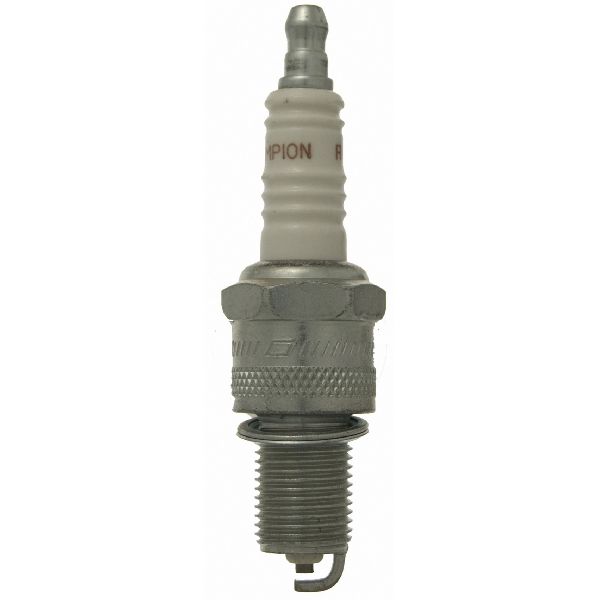
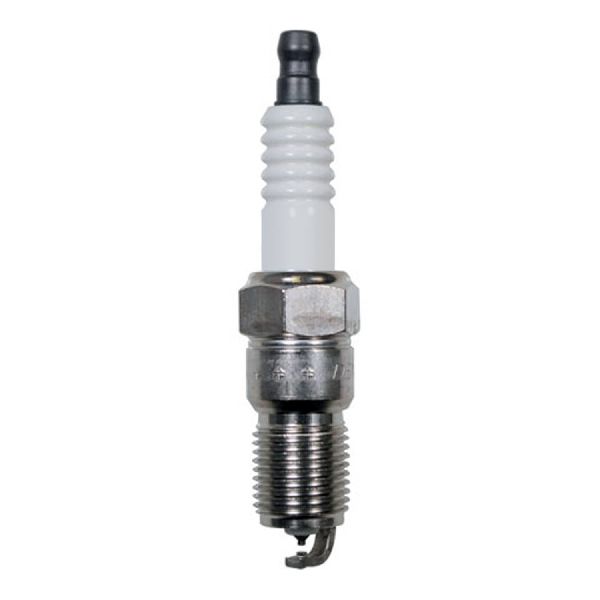
For the 1981-1991 Jaguar XJS, there is a strong consensus among experienced owners and mechanics: use NGK spark plugs. While Jaguar originally specified Champion plugs for some markets, many owners report that Champion's quality has declined over the years and that NGK plugs provide more reliable performance. Bosch is also considered a good quality alternative. While premium materials like iridium and platinum are available, many owners find that standard nickel/copper NGK V-Power plugs perform excellently when changed at regular intervals.
Aftermarket Brand Quality Tiers
| Tier | Brands | Notes |
|---|---|---|
| Top Tier - Highly Recommended | NGK | Overwhelmingly preferred by XJS owners for reliability and performance. The NGK V-Power is a common choice. |
| Good Quality Alternative | Bosch, Denso | Considered good quality brands that offer reliable performance. |
| Standard/Economy | Autolite, Champion | While Champion was an original equipment brand, many users now prefer NGK due to perceived changes in quality. Autolite is a functional, budget-friendly option. |
| Basic/Unknown | Motorcraft, Skyward | Motorcraft is Ford's brand and less commonly used on these Jaguars. Skyward is likely a private label with no established reputation for this specific vehicle. |
Known Issues and Installation Tips
Changing the spark plugs on a Jaguar XJS, especially the V12 model, is not a simple task. The area around the plugs, deep in the 'V' of the engine, is known as "Death Valley" because it gets very hot and collects debris. It is critical to thoroughly clean this area with a vacuum cleaner before removing the old plugs to prevent dirt from falling into the cylinders.
Warning: Spark plugs can seize in the aluminum cylinder heads. This is a very common and serious problem. Always apply a small amount of anti-seize compound to the threads of the new plugs before installation. When removing old plugs, if they resist, do not force them. Excessive force can cause the plug to break off in the head, leading to a much more difficult and expensive repair.
Pro Tip: For the V12 engine, accessing all 12 plugs is difficult. You will likely need to remove the air conditioning compressor, cruise control bellows, and throttle pedestal to gain enough clearance. Take your time and be methodical.
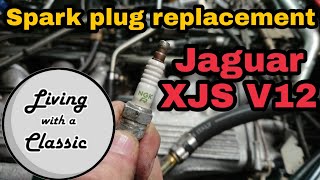
🎬 Watch this step-by-step tutorial for replacing V12 spark plugs.Frequently Asked Questions
What is the correct spark plug gap for my Jaguar XJS?
For the V12 H.E. (High-Efficiency) engine, the correct spark plug gap is 0.025 inches (or 0.6mm). Do not rely on the pre-gap from the box. Always check and adjust the gap on every single plug with a feeler gauge before installation. Using a wider gap puts unnecessary stress on the ignition system.
Should I use resistor or non-resistor spark plugs?
Using resistor plugs is generally recommended. The resistance helps reduce radio frequency interference (RFI) that can affect your car's electronics and radio, and it also helps reduce electrode wear. Most modern plugs, including the recommended NGK models, are resistor plugs.
How often should I change the spark plugs?
For standard copper/nickel plugs, a good interval is every 15,000 to 30,000 miles. Given the difficulty of the job on the V12, some owners opt for longer-life platinum or iridium plugs. However, the V12 engine is known for being hard on plugs, and regular changes with fresh, correctly gapped standard plugs are often the most reliable strategy.
Are there any recalls or TSBs for XJS spark plugs?
There are no major recalls for spark plugs on the 1981-1991 XJS. However, Jaguar did issue service bulletins (TSBs) over the years that revised spark plug specifications, often switching recommendations from Champion to NGK. This reinforces the general owner consensus that NGK is the preferred brand.
Helpful Videos
Technical Specifications
OEM Part Numbers: EBC4021 N9YCC RC9YCC
Engine (V12 H.E.): 12 cylinders, 16mm socket size, 0.025 inch (0.6mm) gap.
We Have This Part in Stock

The information in this article is provided for general reference and educational purposes only. Vehicle specifications, procedures, and part compatibility can vary by production date, trim level, and region. Always consult your vehicle's factory service manual and verify part numbers before purchasing or performing repairs. Safety-critical components such as airbags, seat belts, and braking systems should be installed by a qualified professional.
- Jaguar XJS: