

Choosing the Right Disc Brake Caliper for Your 1981-1992 Lincoln Continental
Keep your classic Lincoln stopping safely and smoothly by understanding your aftermarket brake caliper options.
- The most common failure is a seized caliper due to corrosion on the piston or slide pins.
- Aftermarket parts are primarily remanufactured; premium brands like Raybestos or Centric offer coatings for better rust protection.
- Always replace calipers in pairs (both front or both rear) to ensure even braking.
- Strongly consider replacing the old rubber brake hoses at the same time to prevent future issues.
Is Your Lincoln's Brake Caliper Failing?
For a vehicle from the 1980s and early 90s, brake components have been exposed to decades of heat, moisture, and road grime. The most common failure for a Lincoln Continental brake caliper is for it to seize or stick. This can happen in two ways: the caliper piston can get stuck, or the slide pins it moves on can corrode and freeze in place. In either case, the brake pad doesn't release from the rotor, causing constant drag.
Common Symptoms of a Bad Caliper:
- Vehicle Pulling: The car pulls to one side while driving or braking.
- Burning Smell: A distinct, acrid smell from one of the wheels after driving, caused by the pad constantly rubbing the rotor.
- Brake Drag: A feeling that the car is sluggish or down on power, as if the parking brake is partially on.
- Visible Smoke: In severe cases, you may see smoke coming from the affected wheel.
- Uneven Brake Pad Wear: When you inspect the brakes, the pad on one side of the rotor will be significantly more worn than the other.
- Leaking Fluid: You might notice brake fluid leaking from the caliper's piston seal.
A Note on Recalls
While there were several brake-related recalls for the Lincoln Continental during this period, they primarily concerned brake rotors and other system components, not the calipers themselves. For example, a 1992 recall was issued for front brake rotors on 1988-1991 models that could corrode and fracture. Always ensure your entire brake system is in good working order.
Choosing the Right Aftermarket Caliper
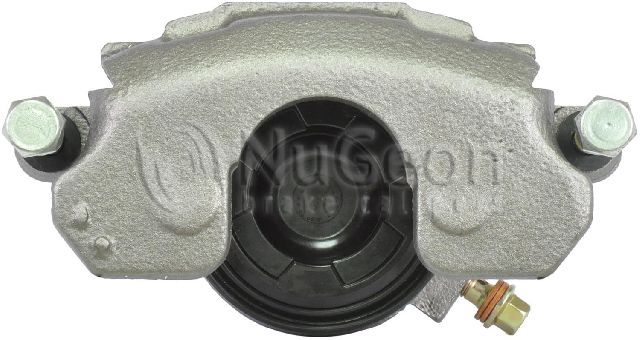
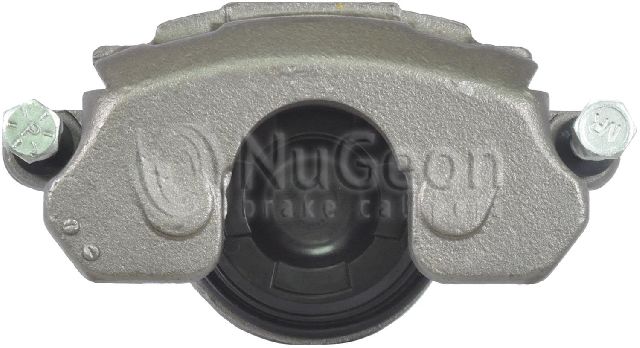
For a classic car like the 1981-1992 Continental, brand-new OEM (Original Equipment Manufacturer) calipers are generally no longer available. The aftermarket primarily offers remanufactured calipers. A quality remanufactured caliper is a used OEM core that has been completely disassembled, cleaned, inspected, and rebuilt with new seals, boots, and often a new piston. This is a reliable and cost-effective way to restore your braking performance.
Aftermarket Brand Tiers
The brands available offer a range of quality and features. Most will perform well for daily driving, but some offer better corrosion resistance and quality control.
- Standard Remanufactured (Cardone, Dynamic Friction): These are your go-to standard replacements. Brands like Cardone are major remanufacturers that offer a product designed to meet original specifications. They provide a good balance of price and reliability for a daily driver or restoration project. However, quality can sometimes be inconsistent, as with any remanufactured part.
- Premium Coated (Raybestos, Centric): Brands like Raybestos and Centric often offer premium lines of calipers that feature a protective coating (e.g., zinc plating or high-temp paint). This coating helps prevent rust and corrosion, which is a major cause of caliper seizure, especially in wet climates. This is a worthwhile upgrade for longevity and appearance, especially if you have open-style wheels.
- Value-Oriented (BBB Industries): This brand typically falls into the economy or standard replacement category, offering a functional part at a competitive price point.
Pro Tip: Replace in Pairs
It is highly recommended to replace calipers in pairs (both front or both rear). This ensures even braking performance and prevents the car from pulling to one side. An old caliper on one side and a new one on the other can lead to unbalanced braking force.
Aftermarket Disc Brake Caliper Cost for 1981-1992 Lincoln Continental
| Product Tier | Typical Price Range (per caliper) |
|---|---|
| Standard Remanufactured | $35 - $70 |
| Premium/Coated Remanufactured | $60 - $155+ |
Note: Prices are estimates and do not include the core charge, which is a refundable deposit paid until you return your old caliper.
Frequently Asked Questions
Do I need a new caliper bracket?
Most remanufactured calipers come with the bracket already attached and lubricated. If your chosen part does not, you can typically reuse your old bracket unless it is damaged or heavily corroded.
What is a 'phenolic' vs. 'steel' piston?
Phenolic (a type of plastic composite) pistons are less prone to corrosion and transfer less heat to the brake fluid than steel pistons. Steel pistons are stronger but can rust if the protective boot fails. For a classic car that may sit for periods, a phenolic piston can be a good defense against a seized caliper due to corrosion.
Why do I need to bleed the brakes after replacing a caliper?
When you disconnect the brake hose from the old caliper, air enters the hydraulic system. Air is compressible and will result in a spongy, soft brake pedal and severely reduced stopping power. Bleeding the brakes removes all air from the lines, ensuring a firm pedal and safe operation.
Should I replace the brake hose at the same time?
It is an excellent idea. After 30+ years, the internal lining of a rubber brake hose can collapse. This can act like a one-way valve, trapping hydraulic pressure and causing the caliper to stick, mimicking the symptoms of a seized caliper. Replacing the flexible hoses is a low-cost preventative measure.
Technical Specifications
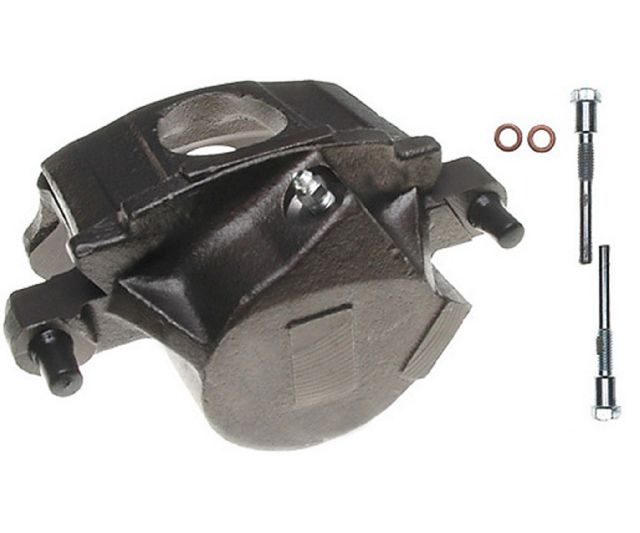
Brake calipers for this vehicle are typically single-piston floating calipers made of cast iron. Some rear calipers may require a special tool to rotate the piston back into the housing during pad replacement.
We Have This Part in Stock


The information in this article is provided for general reference and educational purposes only. Vehicle specifications, procedures, and part compatibility can vary by production date, trim level, and region. Always consult your vehicle's factory service manual and verify part numbers before purchasing or performing repairs. Safety-critical components such as airbags, seat belts, and braking systems should be installed by a qualified professional.
- Lincoln Continental:
- 🛍️ Shop This Part
- Is Your Lincoln's Brake Caliper Failing?
- Common Symptoms of a Bad Caliper:
- A Note on Recalls
- Choosing the Right Aftermarket Caliper
- Aftermarket Brand Tiers
- Pro Tip: Replace in Pairs
- Aftermarket Disc Brake Caliper Cost for 1981-1992 Lincoln Continental
- Frequently Asked Questions
- 🎟️ Get 5% Off