

Engine Oil Pan Guide for 1981-1993 Chevrolet Camaro
Leaking oil and a dented pan are common issues, but choosing the right replacement is key to protecting your engine.
- Confirm your engine type (I4, V6, or V8) before ordering, as oil pans are engine-specific.
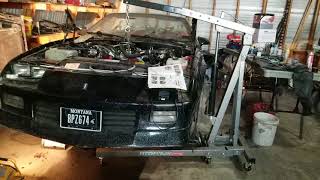
- Replacement is a difficult job requiring the engine to be lifted to clear the crossmember.
- A new aftermarket pan is often a better choice than a used one due to improved materials and the inclusion of a new drain plug.
- Always use a new, one-piece gasket for the best possible seal and to prevent future leaks.
Is Your Camaro's Oil Pan Failing?
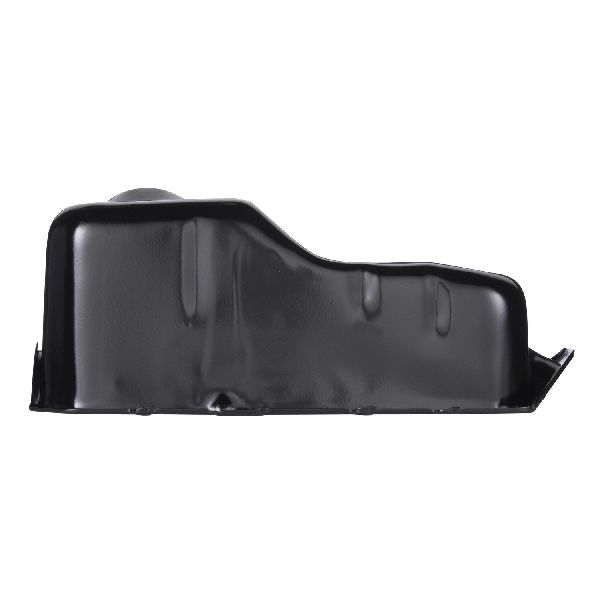
The oil pan is located at the very bottom of your engine, making it vulnerable to damage from road debris, speed bumps, or improper jacking. Over time, the gasket sealing the pan to the engine block can also wear out and leak. A significant leak can lead to low oil levels, which is extremely dangerous for your engine.
Common Failure Symptoms:
- Oil Puddles: The most obvious sign is a puddle of oil on the ground where you park.
- Low Oil Light: If the oil level gets dangerously low due to a leak, the warning light on your dashboard will come on.
- Smoke from Engine Bay: Oil dripping onto hot exhaust pipes will create smoke and a strong burning smell.
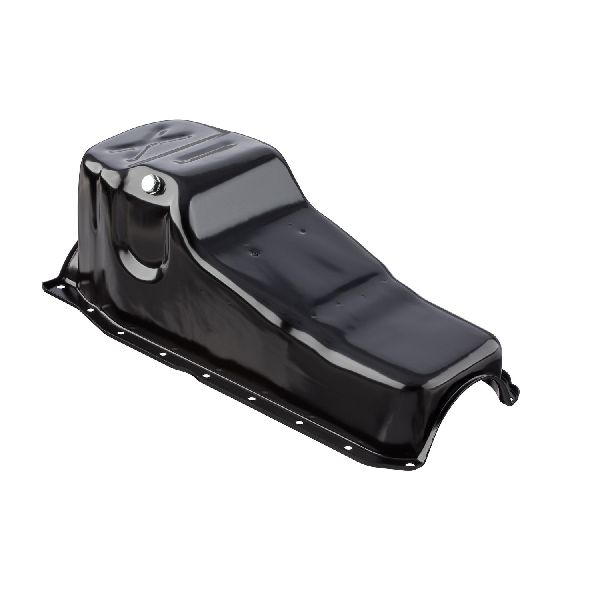
- Visible Damage: You might see dents, cracks, or rust on the pan itself.
- Stripped Drain Plug: The threads on the drain plug can wear out over time, causing a slow leak that can't be fixed by tightening.
A Note on Leaks
Before buying a new pan, make sure the leak is actually from the pan or its gasket. Oil can leak from higher up on the engine, like the valve covers or rear main seal, and drip down, making it look like an oil pan leak. Always clean the area and confirm the source of the leak before starting repairs.
Choosing the Right Aftermarket Oil Pan
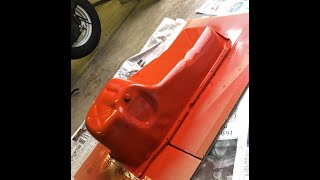
Since original GM oil pans for this generation are hard to find, the aftermarket is your best bet. Quality can vary, but many modern aftermarket pans offer improvements over the original, like better corrosion resistance or one-piece gaskets that seal better than the old multi-piece cork style.
Brand Tiers for Your Camaro:
- Standard Replacement (Dorman, Spectra): These brands are the most common for direct, OE-style replacements. Dorman is a well-known aftermarket brand that sometimes improves on factory designs. Spectra is also a reputable choice, known for making a wide range of automotive parts with good fitment. For a standard daily driver, either of these brands offers a reliable solution.
- Value-Oriented (ATP, Skyward, Pioneer): These brands typically offer a lower price point. While they can be a good budget option, it's important to inspect the part upon arrival for any defects in the stamping or welds. Some owner reviews suggest ATP pans can be of good quality, sometimes even thicker than the original.
- Performance/Custom (Trans-dapt): Trans-dapt specializes in performance parts. They offer options like chrome-finished pans or pans with extra reinforcement for durability, which can be a good choice for modified or show cars. Be aware that some performance pans may require a specific oil pickup tube.
Pro Tip: Upgrade Your Gasket
Regardless of the pan you choose, pair it with a modern one-piece rubber or silicone gasket. These provide a much better seal and are easier to install than the original four-piece cork gaskets that were prone to leaking.
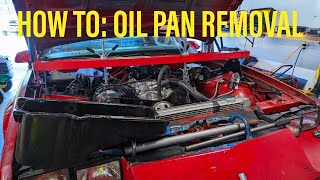
🎬 Watch: Step-by-step guide to replacing your oil pan gasket.Replacement Cost Breakdown
Replacing the oil pan on a 3rd-gen Camaro is more involved than on many other cars. The engine crossmember gets in the way, requiring the engine to be lifted for clearance. This significantly increases labor time and cost.
| Part/Service | Estimated Cost |
|---|---|
| New Aftermarket Oil Pan | $65 - $202 |
| Shop Labor | $400 - $800+ |
| Total Professional Replacement | $465 - $1002+ |
Frequently Asked Questions (FAQ)
Do I have to lift the engine to replace the oil pan?
Yes, on virtually all 1981-1993 Camaros (especially V8 models), the engine must be unbolted from its mounts and lifted several inches to provide enough clearance to remove the oil pan past the front crossmember. 🎬 See how to lift the engine for oil pan removal. This makes it a difficult job for a beginner DIYer.
What is the difference between a stock and a performance oil pan?
Stock pans are designed for factory specifications. Performance pans, like some from Trans-dapt, may offer features like a chrome finish for better looks, thicker steel for durability, or a different shape (sump) for improved oil control during aggressive driving. Some may also hold more oil.
My drain plug is stripped. Do I need a whole new pan?
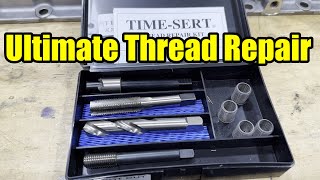
Not always. Sometimes you can use an oversized, self-tapping drain plug or have a shop install a thread repair insert (like a Heli-Coil). However, if the pan material around the plug is cracked or the threads are too damaged, a new pan is the safest solution.
🎬 Watch: How to repair a stripped drain plug with Time-Sert.Are there any recalls on the oil pan for my Camaro?
No, there are no specific recalls for the engine oil pan on 1981-1993 Chevrolet Camaros. There was a recall for certain aftermarket oil filters that could leak, but not for the pan itself.
Helpful Videos
Technical Specifications
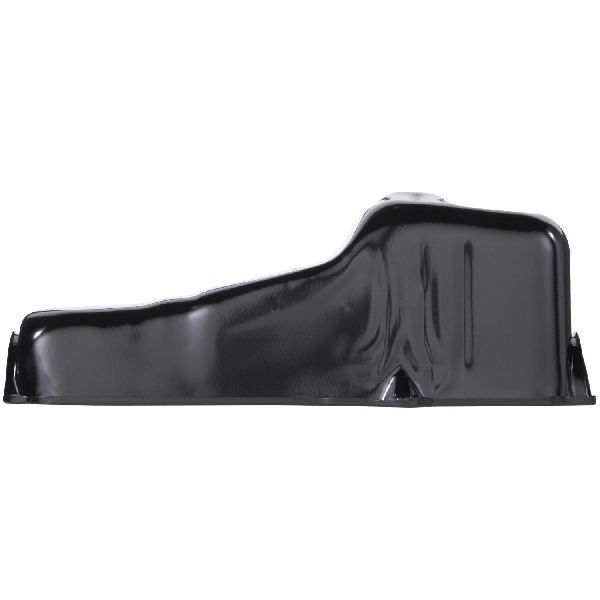
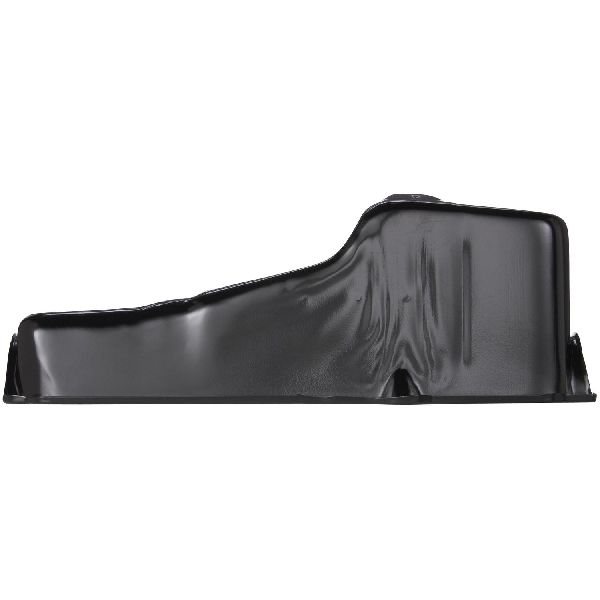
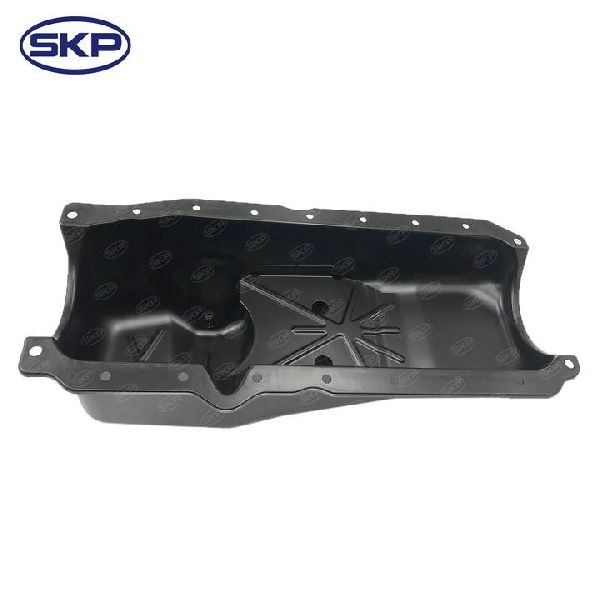
Material: Stamped Steel or Aluminum. Gasket Type: Originally 4-piece cork/rubber, aftermarket often 1-piece rubber. Capacity: Varies by engine (approx. 4-5 quarts). Finish: Painted black, natural, or chrome plated.
We Have This Part in Stock


The information in this article is provided for general reference and educational purposes only. Vehicle specifications, procedures, and part compatibility can vary by production date, trim level, and region. Always consult your vehicle's factory service manual and verify part numbers before purchasing or performing repairs. Safety-critical components such as airbags, seat belts, and braking systems should be installed by a qualified professional.
- Chevrolet Camaro: