

Accessory Drive Belt Replacement Guide for the 1981-1993 Dodge W250
Find the correct V-belt or serpentine belt and keep your classic Dodge workhorse running reliably.
- You must visually confirm if your truck has multiple V-belts or a single serpentine belt before ordering.
- When replacing the belt, always inspect the tensioner and all pulleys for noise, wobble, or damage.
- A squealing noise indicates a problem; diagnose whether it's the belt itself or a pulley/tensioner issue.
- Top aftermarket brands like Gates, Continental, and Dayco offer quality and durability comparable to OEM parts.
Is It a V-Belt or Serpentine Belt?
Before buying a new belt, you must know what system your truck uses. The 1981-1993 model years spanned a transition period for Dodge trucks.
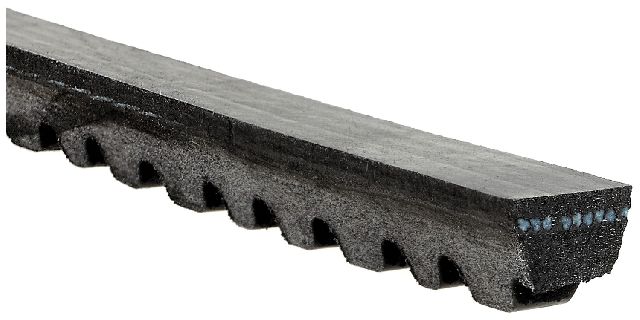
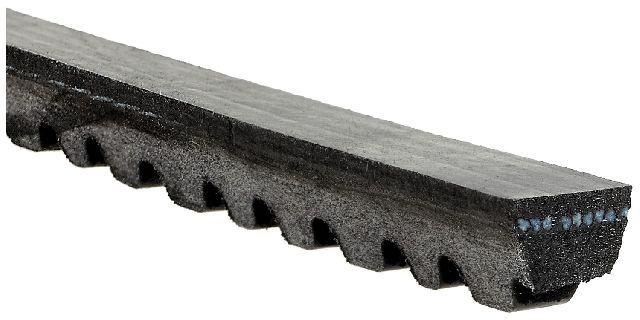
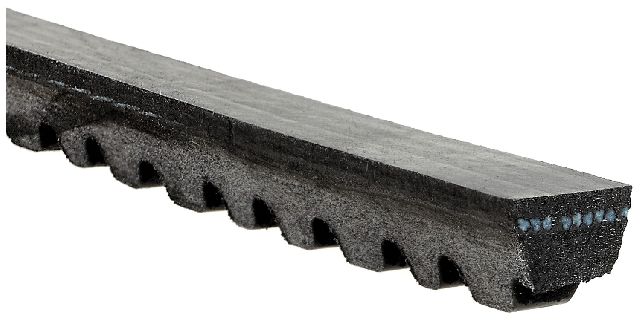
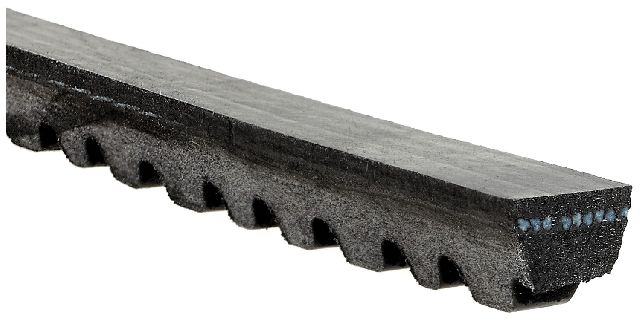
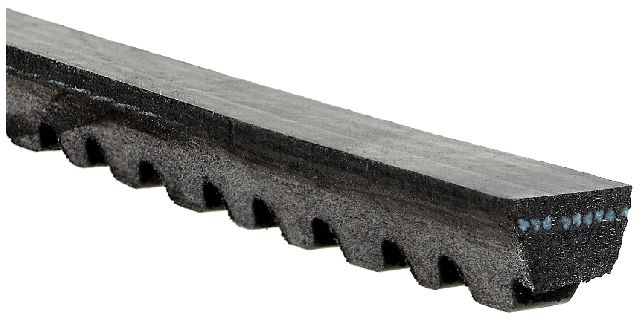
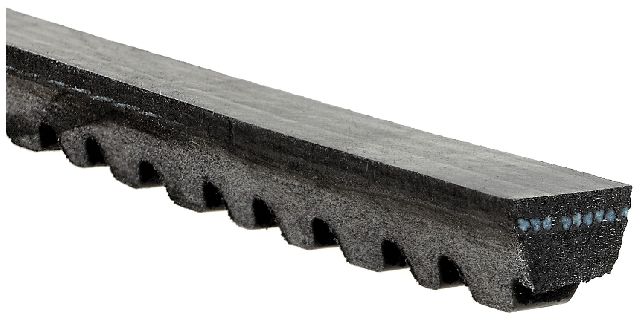
- Multiple V-Belts: Common on earlier models in this range (roughly pre-1989), this system uses several individual V-shaped belts. Each belt may drive one or two accessories. They are adjusted by loosening an accessory, like the alternator, to create tension.
- Single Serpentine Belt: Found on later models (roughly 1989-1993), especially those with the 5.9L Cummins and V8 gas engines, this system uses one wide, flat, ribbed belt that snakes around all the pulleys. It is kept tight by a spring-loaded automatic tensioner.
Symptoms of a Failing Drive Belt
A worn or failing belt will give you clear warning signs. Ignoring them can leave you stranded.
- Squealing or Chirping Noises: This is the most common symptom, especially when starting the engine cold or turning the steering wheel. It's caused by the belt slipping on the pulleys.
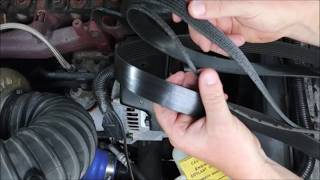
- Visible Damage: Look at the belts. Obvious cracks, splits, frayed edges, or a shiny, glazed appearance mean the rubber is old and needs immediate replacement.
- Accessory Problems: If your power steering feels heavy, your A/C isn't blowing cold, or your battery light comes on, the belt may be slipping and failing to power those components properly.
- Engine Overheating: The belt drives the water pump. If it fails, coolant stops circulating, and your engine will overheat very quickly, causing serious damage.
Check the Tensioner and Pulleys
A bad belt is often a symptom of another problem. On serpentine systems, a weak or seized automatic tensioner is a common cause of belt failure. Forum users have noted that a bad tensioner can cause the belt to walk off track and even cut into the tensioner arm. When the belt is off, spin each pulley by hand. They should spin smoothly and quietly with no wobble. A grinding noise or any side-to-side play means the pulley or the component it's attached to is bad and must be replaced.
Choosing the Right Aftermarket Belt Brand
For a vehicle of this age, aftermarket belts offer excellent quality, often meeting or exceeding original specifications. Modern belts are typically made from durable EPDM rubber, which resists heat and cracking better than older neoprene materials. Here’s a breakdown of reputable brands:
- Top Tier (Excellent Quality): Gates and Continental are widely regarded as premium brands, with many professional mechanics and enthusiasts trusting them for reliability and longevity. Gates is a known OEM supplier for many car manufacturers.
- OEM-Quality (Great Value): Dayco and Bando are solid choices. Dayco has been making belts for over a century and supplies many major auto manufacturers. Bando is also a large OEM belt manufacturer. While some users report minor noise with Dayco belts, their durability is generally considered very good.
- Reputable All-Rounder: ACDelco is a trusted name in auto parts that offers reliable belts and related components like tensioners.
| Part Type | Estimated Cost |
|---|---|
| New Aftermarket Belt(s) | $2.60 - $83.04 |
| Shop Labor Cost | $75 - $150 |
Frequently Asked Questions
How often should I replace the drive belts?
A good rule of thumb is to inspect them at every oil change and plan for replacement every 4 to 5 years or around 50,000 miles, regardless of appearance. However, if you see any cracks, fraying, or glazing, replace them immediately.
Is a squealing belt always a bad belt?
Not always, but it's a sign of a problem. The noise is from slippage. This can be due to a worn, glazed belt, low tension, or misaligned pulleys. A quick test is to spray a small amount of water on the belt while it's running; if the noise stops temporarily, the belt is likely worn. If it gets louder, you may have an alignment issue with a pulley.
Can I replace the accessory drive belts myself?
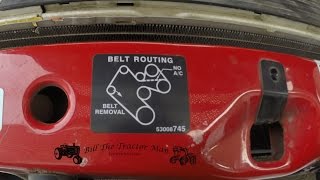
Yes, this is a very DIY-friendly job for someone with basic tools. For serpentine belts, you'll need a 3/8-inch breaker bar or long ratchet to release the automatic tensioner. For V-belts, you'll need wrenches to loosen the bolts on an accessory (like the alternator) to create slack. Always take a picture or draw a diagram of the belt routing before you start.
What is the most common mistake when ordering?
The most common mistake is ordering the wrong belt. Because this truck series spans both V-belt and serpentine systems, you must visually confirm your setup. Also, verify your engine (e.g., 5.2L V8, 5.9L V8, 5.9L Cummins) and whether you have A/C, as this determines the correct belt length and routing.
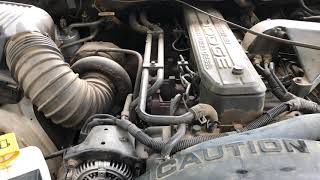
Helpful Videos
Technical Specifications
The correct belt is determined by your truck's specific year, engine, and accessory options (with or without A/C). For serpentine belts, the key specifications are the effective length and the number of ribs (e.g., 8-rib). For V-belts, the key specifications are the length and V-angle/width. Always use a part finder tool with your vehicle's exact details to ensure a match.
We Have This Part in Stock

The information in this article is provided for general reference and educational purposes only. Vehicle specifications, procedures, and part compatibility can vary by production date, trim level, and region. Always consult your vehicle's factory service manual and verify part numbers before purchasing or performing repairs. Safety-critical components such as airbags, seat belts, and braking systems should be installed by a qualified professional.
- Dodge W250: