

Dodge W250 1981-1993 Catalytic Converter Replacement Guide
Everything you need to know before buying a new catalytic converter for your first-generation Dodge W250.
- For a 1981-1993 W250, aftermarket is the only option; new OEM parts are unavailable.
- Symptoms include power loss, rattling, and a rotten egg smell; diagnosis on these pre-OBD-II trucks requires physical tests, not code readers.
- You must fix the root cause of the original failure (e.g., engine misfires, oil leaks) or you will destroy the new converter.
- Check your state's emissions laws before buying; California, New York, and others require specific, more expensive CARB-compliant parts.
Is Your W250's Catalytic Converter Failing?
A catalytic converter doesn't last forever, especially on a hard-working truck. The original converters on these 1981-1993 Dodge W250s were built for a 10-year, 100,000-mile lifespan, which most have long surpassed. When they fail, it's usually because they've become clogged from engine contaminants like oil or antifreeze, or the internal ceramic honeycomb has physically broken apart from heat and age.
Key Symptoms of a Bad Converter
- Sluggish Performance: If your truck feels like it's lost power and struggles to accelerate, the converter may be clogged, creating excess backpressure that chokes the engine.
- Rotten Egg Smell: A strong sulfur or rotten egg smell from the exhaust is a classic sign that the converter is no longer properly processing exhaust gases.
- Rattling Noises: A rattling or clunking sound from under the truck, especially on startup, often means the internal ceramic has broken into pieces and is rattling around inside the converter's shell.
- Worse Fuel Economy: A restricted exhaust makes your engine work harder, which means it burns more fuel.
- Failed Emissions Test: In many areas, a failed smog test is the first and only indication an owner gets that their converter is no longer functioning.
Pro Tip: Diagnosing on a Pre-OBD-II Truck
Your 1981-1993 W250 doesn't have the modern OBD-II computer system that gives specific codes like "P0420 Catalytic Converter Efficiency Below Threshold." A mechanic will diagnose a bad converter using other methods, such as an engine vacuum test to check for high backpressure or by using an infrared thermometer to measure the temperature of the exhaust pipe before and after the converter. A properly working converter should be significantly hotter on the outlet side.
Choosing the Right Aftermarket Converter
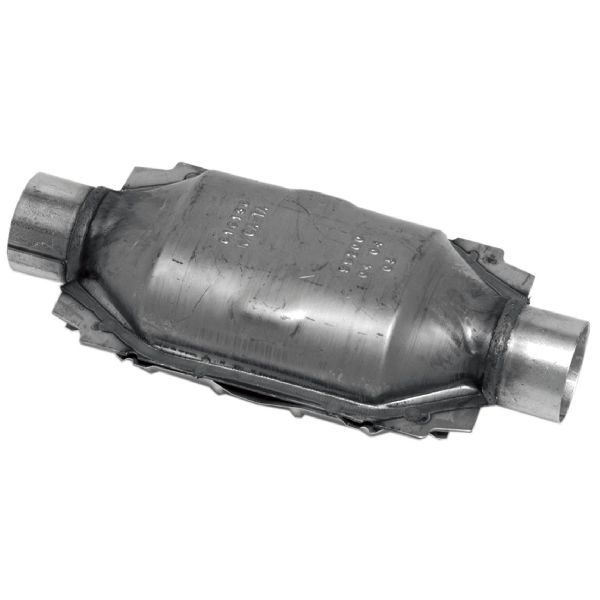
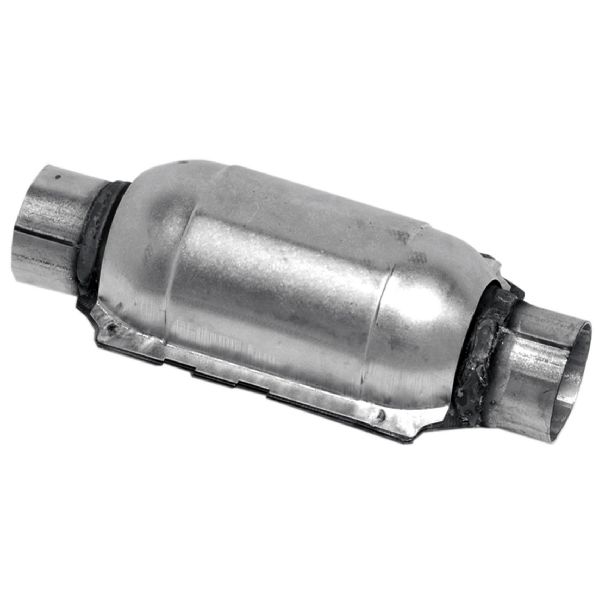
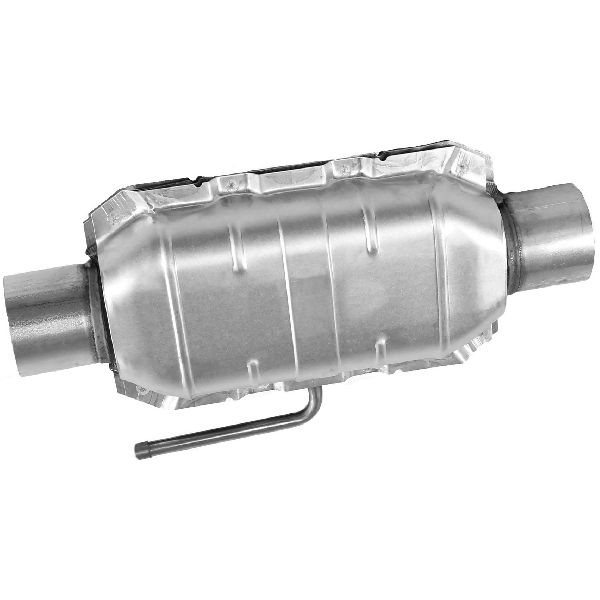
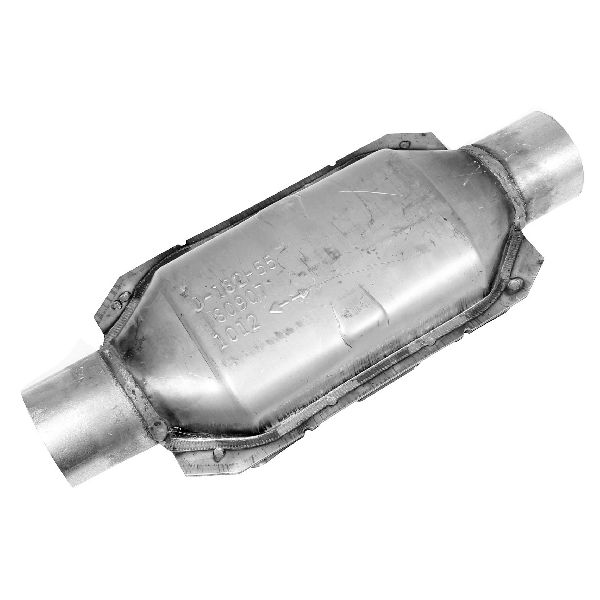
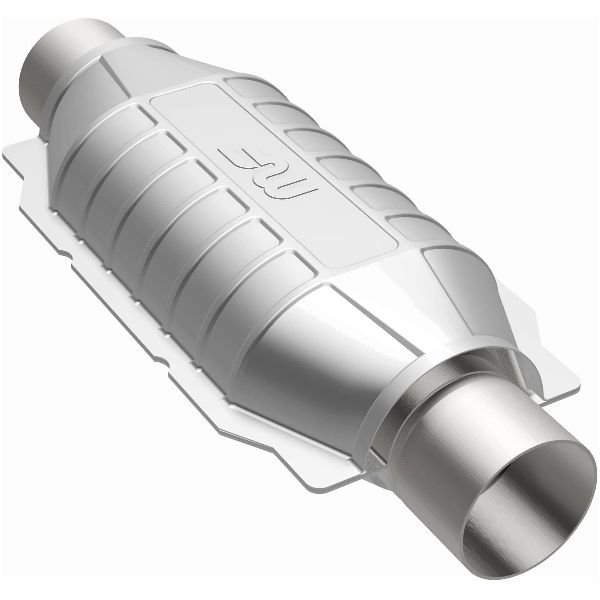
Finding a new OEM Mopar catalytic converter for a truck this old is nearly impossible. The aftermarket is your only realistic option. Quality and price vary, so it's important to choose the right one for your needs and budget. Aftermarket converters come in two main types: direct-fit and universal. A direct-fit model is designed to bolt into the original location with minimal fuss, while a universal converter requires cutting and welding for installation.
Brand Quality Tiers
Based on mechanic recommendations and owner reviews, aftermarket brands for your W250 can be grouped into tiers:
- Performance (Best): MagnaFlow is a top-tier brand known for high-quality stainless steel construction and designs that can improve exhaust flow. They are often more expensive but are built for longevity and performance. They offer direct-fit and universal options for the W250.
- Standard Replacement (Better): Walker Exhaust is one of the most trusted names for standard, OE-style replacement parts. Mechanics widely use and recommend Walker for reliable fit and function that meets original specifications without the high performance price tag.
- Economy (Good): Eastern Catalytic and Davico Converters offer budget-friendly options. These can be a good choice if keeping costs down is your main priority. However, be aware that owner reviews are mixed. Some report good experiences, while others mention issues with fitment, welding quality, and long-term durability, sometimes requiring extra work to install.
Emissions Laws Matter!
Before you buy, check your local laws. If you live in California or a state that follows its standards (like New York or Colorado), you MUST buy a converter that is CARB-compliant for your specific truck and year. Federal (EPA) converters are not legal for sale or installation in these states. Most online sellers will have a fitment checker to confirm legality.
How Much Does a New Catalytic Converter Cost?
The cost depends on the brand you choose and whether you do the work yourself or hire a shop. Given the age of these trucks, expect rusted and seized bolts that can make this a tough job.
| Item | Estimated Cost |
|---|---|
| New Aftermarket Converter (Part) | $90 - $1,025 |
| Shop Labor | $150 - $400 |
| Total Installed Cost | $240 - $1,425 |
Frequently Asked Questions
Do I need a direct-fit or universal converter?
A direct-fit converter is strongly recommended for a DIY installation. It's designed to match your truck's specific exhaust configuration. A universal converter is cheaper but requires professional installation with cutting and welding. Even with a direct-fit part, be prepared for rusted bolts on your old truck that may require cutting.
Will a new converter give my W250 more power?
If your old converter was clogged, then yes, a new one will restore lost power and acceleration. A standard replacement will bring performance back to stock levels. A high-flow performance model from a brand like MagnaFlow might offer a small increase in power and a more aggressive exhaust sound.
Are there any recalls for the 1981-1993 Dodge W250 catalytic converter?
No. Searches of the National Highway Traffic Safety Administration (NHTSA) database and other records show no specific recalls or technical service bulletins (TSBs) for the catalytic converter on the 1981-1993 Dodge W250 model range. Recalls found were for much newer Dodge vehicles.
Why do some aftermarket converters fail so quickly?
There are two main reasons. First, cheaper aftermarket converters may use less of the precious metals needed for the chemical reaction, causing them to become ineffective sooner. Second, and more importantly, a catalytic converter usually fails because of an underlying engine problem, like a misfire, or an oil or coolant leak. If you don't fix the root cause, your new converter will quickly be damaged and fail as well.
Technical Specifications
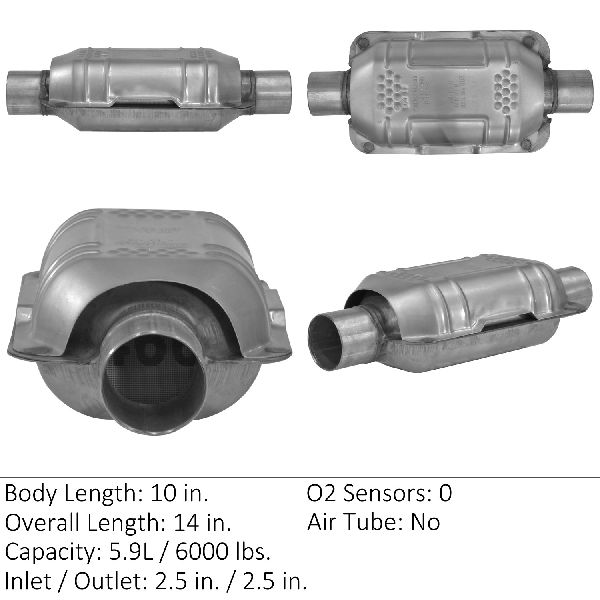
Varies by engine (5.2L V8, 5.9L V8, etc.) and model year. Most replacements are universal or direct-fit, and may be Federal (EPA) or CARB compliant. Installation often requires cutting and welding due to vehicle age and rust.
We Have This Part in Stock

The information in this article is provided for general reference and educational purposes only. Vehicle specifications, procedures, and part compatibility can vary by production date, trim level, and region. Always consult your vehicle's factory service manual and verify part numbers before purchasing or performing repairs. Safety-critical components such as airbags, seat belts, and braking systems should be installed by a qualified professional.
- Dodge W250:
- 🛍️ Shop This Part
- Is Your W250's Catalytic Converter Failing?
- Key Symptoms of a Bad Converter
- Pro Tip: Diagnosing on a Pre-OBD-II Truck
- Choosing the Right Aftermarket Converter
- Brand Quality Tiers
- Emissions Laws Matter!
- How Much Does a New Catalytic Converter Cost?
- Frequently Asked Questions
- 🎟️ Get 5% Off