

Engine Coolant Temperature Sensor Guide for the 1981-1993 Mazda 626
Fix common running issues like poor fuel economy and rough idling by understanding this critical sensor.
- A bad ECT sensor primarily causes poor fuel economy and rough running.
- Your 626 likely has two sensors: one for the engine computer and one for the dash gauge; diagnose symptoms to replace the correct one.
- Replacement is a simple DIY task that takes less than 30 minutes.
- Choose a reputable aftermarket brand like NGK, Delphi, or Standard Ignition for the best reliability.
Understanding Your 626's Coolant Temperature Sensor
For the 1981-1993 Mazda 626, the Engine Coolant Temperature (ECT) sensor is a key player in engine performance. This sensor tells the car's computer how hot the engine is, which affects everything from fuel consumption to how smoothly the engine runs. A failing sensor can send incorrect information, leading the computer to make poor adjustments. This can result in a host of noticeable problems. It's important to note that many vehicles from this era have two separate sensors: one for the ECU (which controls the engine) and a second, single-wire sender just for the temperature gauge on your dashboard. A problem with your gauge might not affect engine performance, and vice-versa.
Common Symptoms of a Failing ECT Sensor
If your ECT sensor is going bad, your 626 will likely let you know. Here are the most common signs:
- Poor Fuel Economy: If the sensor incorrectly tells the ECU the engine is cold, the computer will continuously enrich the fuel mixture, wasting gas.
- Rough Idle: An incorrect fuel mixture can cause the engine to idle poorly, shake, or vibrate.
- Black Smoke from Exhaust: A very rich fuel mixture can result in unburned fuel being sent out the tailpipe, creating black smoke.
- Hard Starting: When the engine is cold, it needs a specific fuel mixture to start properly. A bad sensor can disrupt this, making the car difficult to start.
- Engine Overheating: On some models, the ECT sensor also helps control the electric cooling fans. If it fails, the fans may not turn on when needed, leading to overheating.
- Check Engine Light: A faulty sensor can trigger the Check Engine Light, although this is more common on the later models in this year range (1990-1993).
ECU Sensor vs. Gauge Sender
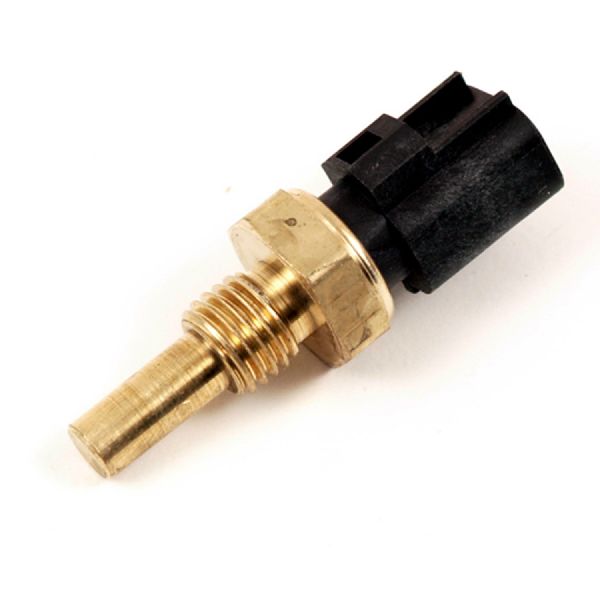
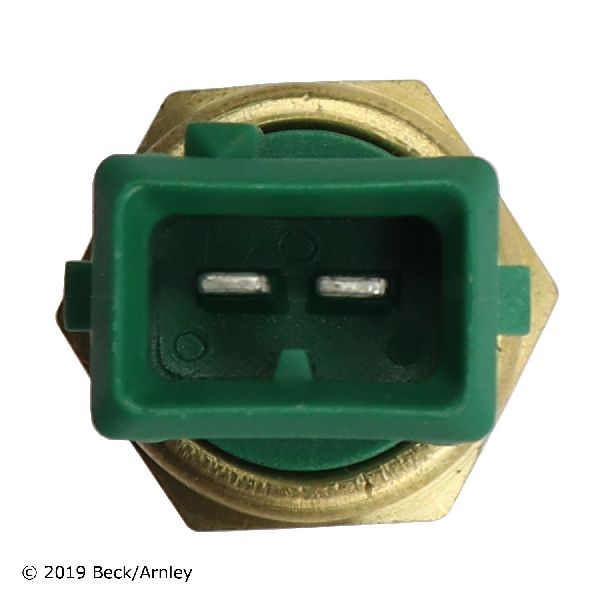
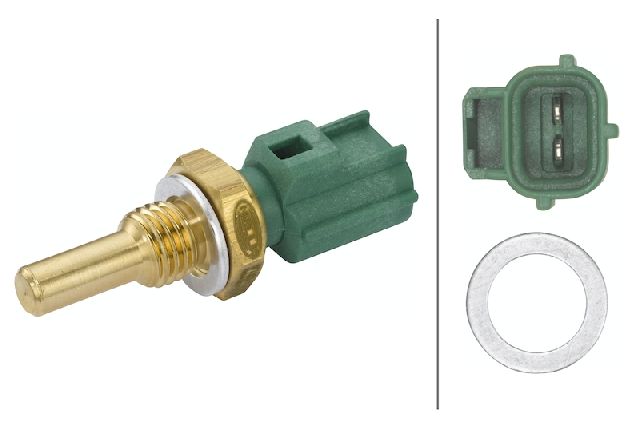
Be aware that your Mazda 626 likely has two temperature sensors. One is a two-wire sensor for the ECU that affects engine performance. The other is a one-wire sender that only operates the temperature gauge on your dashboard. Before ordering, identify which one you need to replace based on your symptoms.
Choosing the Right Aftermarket Sensor
For a vehicle from this era, finding original Mazda (OEM) parts can be difficult and expensive. Aftermarket parts are a practical and affordable solution. However, quality can vary between brands. Here’s a breakdown of what to look for:
- Premium Aftermarket (e.g., NGK, Delphi, Standard Ignition): These brands are well-regarded and often supply parts to vehicle manufacturers. They focus on quality and are known for their reliability. Delphi, for instance, has a long history as an OE supplier. Standard Motor Products (SMP) is also a long-standing brand with a reputation for quality, though it's best to avoid their budget "T-series" line.
- Standard Aftermarket (e.g., Beck Arnley, Walker Products): Beck Arnley has a history of repackaging OEM parts, meaning you could get a high-quality part in their box, but quality can be inconsistent. They are generally considered a decent mid-tier option.
- Economy Aftermarket (e.g., URO Parts): These brands focus on being the most affordable option. While they can be a good choice for a quick, cheap fix, their long-term reliability is often questioned in owner forums, especially for critical components.
Pro Tip: When replacing the sensor, it's a good idea to take the old part with you to the store to ensure an exact match. Part databases for older cars can sometimes be inaccurate, and seeing the part in person is the best way to avoid a return trip.
Cost of Replacing the Engine Coolant Temperature Sensor
| Part Type | Estimated Cost |
|---|---|
| New Aftermarket Part | $10 - $96 |
| Shop Labor | $50 - $100 |
| Total Estimated Cost | $60 - $196 |
Note: Costs are estimates and can vary based on your location, the specific brand you choose, and your mechanic's labor rates.
Frequently Asked Questions (FAQ)
Where is the ECT sensor located on a 1981-1993 Mazda 626?
The ECT sensor is typically located on the engine block, cylinder head, or thermostat housing, screwed into a coolant passage. On many 626 models, you can find it near the thermostat housing, close to where the upper radiator hose connects to the engine. There may be a second sensor for the gauge located nearby.
Can I replace the ECT sensor myself?
Yes, this is a very DIY-friendly job for most home mechanics. It usually involves unplugging the electrical connector, using a deep socket or wrench to unscrew the old sensor, and then installing the new one. You will lose a small amount of coolant, so it's best to do this when the engine is cold.
Do I need to drain the coolant to replace the sensor?
You do not need to drain the entire cooling system. However, the sensor is threaded into a coolant passage, so some coolant will leak out when you remove it. You can minimize the loss by having the new sensor ready to screw in quickly. Be sure to top off the coolant level after you are finished.
What is the difference between a temperature sensor and a temperature switch?
A temperature sensor (like the ECT sensor for the ECU) provides a variable reading of the temperature. A temperature switch is a simpler device that just turns on or off at a specific temperature, often used to control a cooling fan or a warning light.
Technical Specifications
OEM Part Numbers: G607-18-510 G60718510X KK150-1851X KK151-18510 B593-18-840A
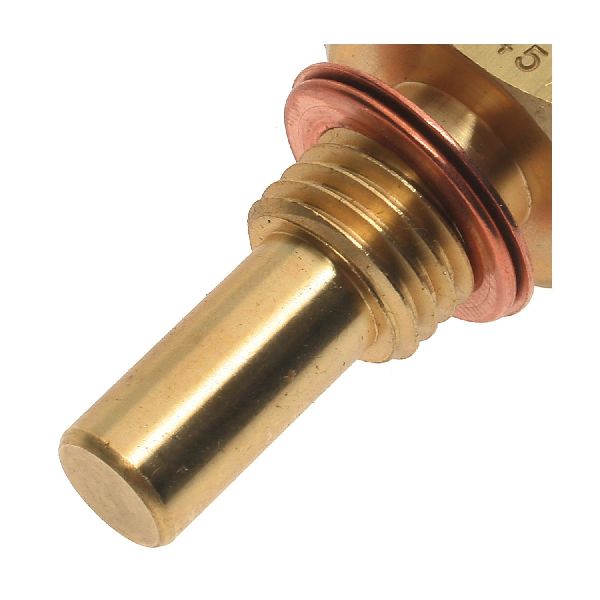
The sensor for the ECU is typically a 2-terminal blade-style thermistor. The sensor for the temperature gauge is often a 1-terminal, bullet-style sender.
We Have This Part in Stock


The information in this article is provided for general reference and educational purposes only. Vehicle specifications, procedures, and part compatibility can vary by production date, trim level, and region. Always consult your vehicle's factory service manual and verify part numbers before purchasing or performing repairs. Safety-critical components such as airbags, seat belts, and braking systems should be installed by a qualified professional.
- Mazda 626: