

Volkswagen Jetta Radiator Replacement Guide (1981-1993)
Keeping your classic A1 or A2 Jetta cool is critical; here’s what you need to know about replacing its radiator.
- For reliability, choose a Tier 1 aftermarket brand like Mahle or Nissens; they are known OE suppliers for German cars.
- Overheating can also be caused by a bad thermostat or a failed radiator fan switch (thermoswitch), a very common issue on these Jettas.
- Always replace your radiator hoses and cap with the new radiator for a complete and reliable repair.
- Use the correct G11 (blue or green) coolant to prevent internal corrosion and clogging.
Signs of a Failing Radiator in Your Jetta
For a classic vehicle like the 1981-1993 Volkswagen Jetta, the radiator has worked hard for decades. Most problems come from simple age and wear. The original radiators use plastic tanks attached to an aluminum core, and this is where failures usually start. Look for these common symptoms:
- Engine Overheating: The most obvious sign. If your Jetta's temperature gauge is climbing higher than normal, especially in traffic, the radiator may not be cooling effectively.
- Coolant Leaks: Finding puddles of sweet-smelling green, yellow, or pink fluid under the front of your car is a sure sign of a leak. Check for cracks in the plastic side tanks or leaks from the seams where the plastic meets the metal.
- Low Coolant Warning Light: If you constantly have to add coolant to the reservoir, it's leaking from somewhere.
- Discolored or Sludgy Coolant: Healthy coolant is brightly colored. If the coolant in your expansion tank looks rusty, brown, or thick, it can mean the inside of your radiator is corroding and clogging the system. This is often caused by using the wrong type of coolant or tap water.
Check Other Components First
Overheating isn't always the radiator's fault. On these Jettas, a failed thermostat, 🎬 Watch this guide on how to replace a MK2 thermostat. a bad radiator fan switch (thermoswitch), or a worn-out water pump can cause similar symptoms. The thermoswitch, which tells the fan when to turn on, is a very common failure point on these models. Always diagnose the whole system before replacing parts.
🎬 Watch: How to diagnose and fix common VW overheating issues.Choosing the Right Aftermarket Radiator
Finding a new, original Volkswagen radiator for a car this age is nearly impossible. The aftermarket is your best and only realistic option. However, quality varies greatly between brands. They can be grouped into tiers based on quality and reputation among VW owners.
Tier 1: OE-Quality Brands
These brands are known for manufacturing parts for European car makers and have a strong reputation for fit, quality, and reliability. For a daily driver or a car you depend on, spending a little more here is a wise investment.
- Mahle: Often an Original Equipment (OE) supplier for Volkswagen. Mahle (which owns Behr) produces radiators that are often identical to the factory part in performance and construction.
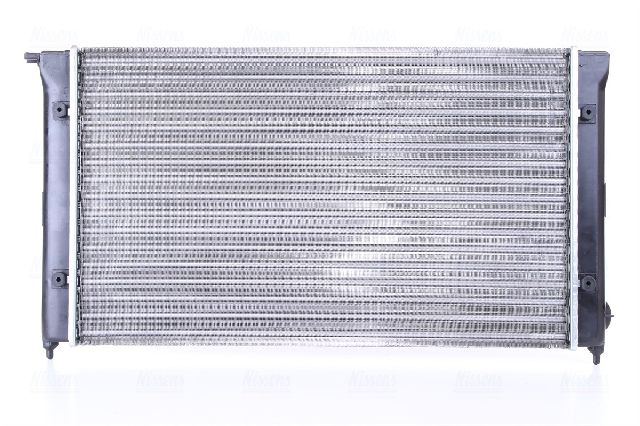
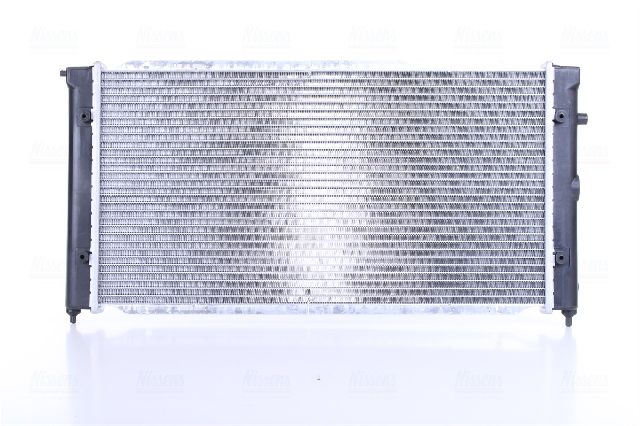
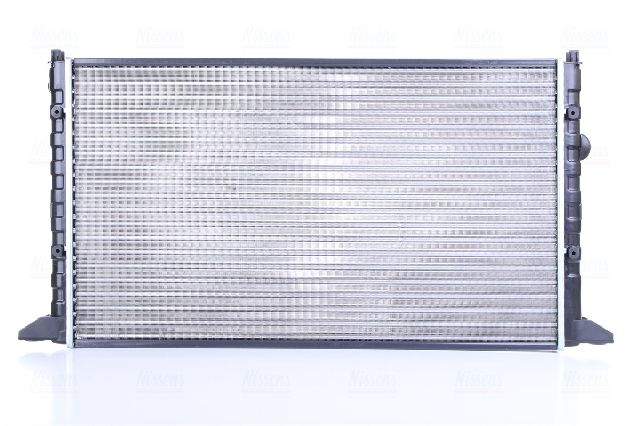
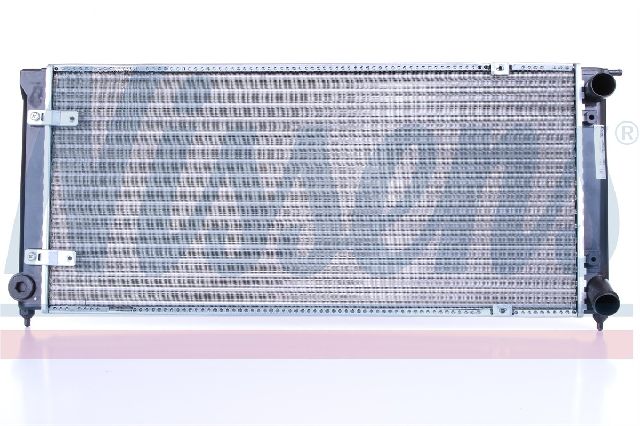
- Nissens: A well-respected Danish brand known for excellent thermal performance and durable construction, including reinforced plastic tanks to prevent cracking.
Tier 2: Standard Replacement Brands
This brand is a well-known generalist in the parts world. It can be a reliable choice, but may not have the specific engineering focus of the Tier 1 brands for European vehicles.
- ACDelco: As GM's parts brand, they make reliable parts for a huge range of vehicles. While not a European specialist, their radiators are generally considered a solid, mid-range option.
Tier 3: Economy Brands
These brands compete on price. They can be a solution if budget is the primary concern, but be aware that forum discussions sometimes point to issues with fitment or long-term durability.
- APDI: Often found at low price points. Some users report success, while others have experienced issues with fit and quality.
- One Stop Solutions: A budget-friendly brand. There is very little specific feedback available for this brand's radiators, so it should be considered an economy option similar to APDI.
| Part Type | Estimated Cost | Notes |
|---|---|---|
| New Aftermarket (Economy) | $25 - $75 | Brands like APDI. May require extra effort for proper fit. |
| New Aftermarket (Standard/OE-Quality) | $75 - $178 | Brands like Nissens and Mahle. Recommended for reliability. |
| Shop Labor | $150 - $300 | Labor rates vary. The job typically takes 1.5-2.5 hours. |
Known Issues, Recalls, and TSBs
Given the age of the 1981-1993 Jetta, there are no active recalls or Technical Service Bulletins (TSBs) for the radiator itself. However, there was one related recall:
- NHTSA Recall 93V052000: This recall was for the 1993 Jetta with the VR6 engine only. It concerned a faulty radiator fan motor shaft that could seize, causing the fan to stop working and the engine to overheat. This was not a defect with the radiator, but with the fan motor.
Pro Tip: Don't Cross-Thread the Fan Switch!
When installing your new radiator, you will need to transfer the thermoswitch (radiator fan switch) from the old unit. Be extremely careful not to cross-thread it into the new radiator's plastic tank. Damaging these threads will ruin your new radiator before you even install it.
Frequently Asked Questions (FAQ)
Can I just use a 'stop-leak' product instead of replacing the radiator?
Stop-leak products are a temporary, emergency fix at best. They work by circulating and hardening in small cracks, but they can also clog the narrow passages in your radiator, heater core, and engine block, leading to worse overheating problems down the road. For a reliable repair, replacement is the only correct answer.
What type of coolant should I use in my 1981-1993 Jetta?
These older VWs originally used a traditional green or blue coolant (G11). Using the correct coolant is vital. Do not mix coolant types or use modern orange or pink coolants unless you have completely flushed the entire system. Never use tap water, as its minerals can cause corrosion and blockages.
Should I replace my radiator cap and hoses at the same time?
Yes, it is highly recommended. A radiator cap holds pressure in the system, and a weak cap can cause coolant to boil at a lower temperature. Hoses become brittle and soft over time. Replacing the radiator provides easy access to the hoses, and doing it all at once is cheap insurance against a future failure.
Is this a difficult DIY job?
For a mechanically inclined owner, replacing the radiator on an A1 or A2 Jetta is a very manageable job. It requires basic hand tools and can typically be done in 2-3 hours. The process involves draining the system, disconnecting hoses, removing the fan assembly, and unbolting the radiator.
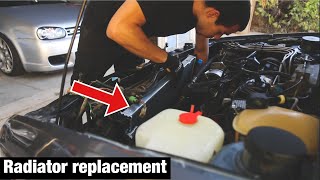
🎬 See a step-by-step walkthrough of a Jetta radiator replacement.Helpful Videos
Technical Specifications
The 1981-1993 Jetta range covers two generations (A1/Mk1 and A2/Mk2) with various engines. Radiators differ based on model year, engine size (1.6L, 1.8L, etc.), transmission type (manual/automatic), and whether the car has air conditioning. Always verify the exact fitment for your specific vehicle before ordering.
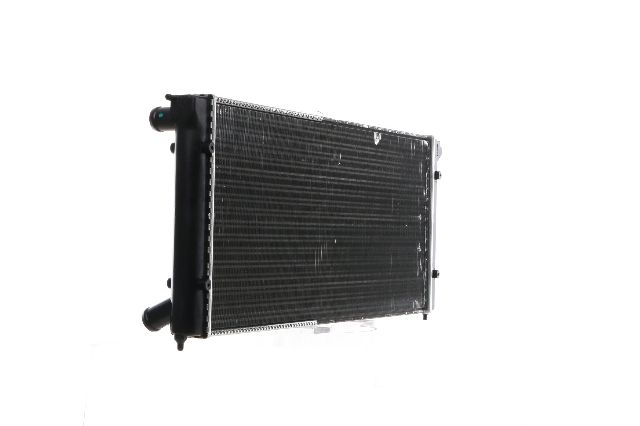
We Have This Part in Stock


The information in this article is provided for general reference and educational purposes only. Vehicle specifications, procedures, and part compatibility can vary by production date, trim level, and region. Always consult your vehicle's factory service manual and verify part numbers before purchasing or performing repairs. Safety-critical components such as airbags, seat belts, and braking systems should be installed by a qualified professional.
- Volkswagen Jetta:
- 🎬 Helpful Videos
- 🛍️ Shop This Part
- Signs of a Failing Radiator in Your Jetta
- Check Other Components First
- Choosing the Right Aftermarket Radiator
- Tier 1: OE-Quality Brands
- Tier 2: Standard Replacement Brands
- Tier 3: Economy Brands
- Known Issues, Recalls, and TSBs
- Pro Tip: Don't Cross-Thread the Fan Switch!
- Frequently Asked Questions (FAQ)
- 🎟️ Get 5% Off