

Dodge B150 Accessory Drive Belt Guide: 1981-1994
Choosing the correct new accessory drive belt for your 1981-1994 Dodge B150 is critical for reliability.
- First, identify if your B150 uses multiple V-belts (common on 1980s models) or a single serpentine belt (common on 1992-94 models) before buying.
- Inspect belts regularly for cracks, fraying, and noise; replace them immediately if any signs of wear are present to avoid a breakdown.
- When replacing a serpentine belt, it is best practice to also replace the tensioner and idler pulleys, as they wear at a similar rate.
- Reputable aftermarket brands like Gates, Continental, Bando, and Dayco are high-quality, OEM-level replacements.
V-Belts vs. Serpentine: A Critical Difference for 1981-1994 B150s
Before buying a new belt, you must know which system your van has. The 1981-1994 Dodge B150 was built during a transition period for drive belt technology.
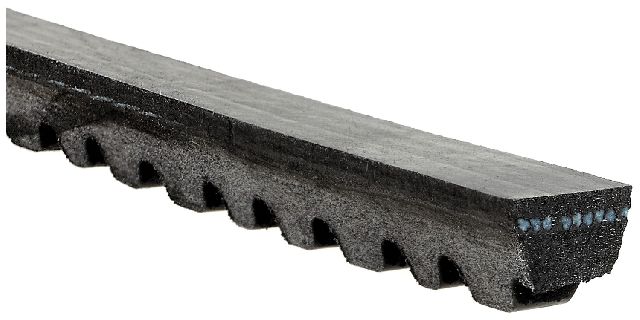
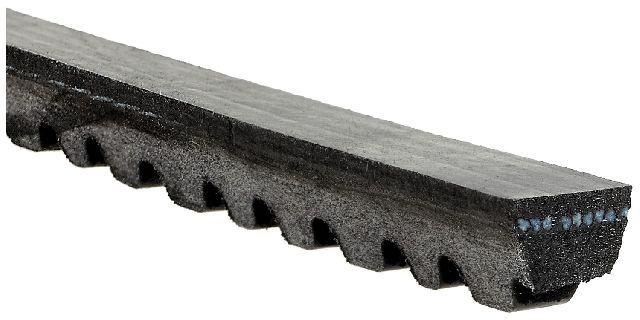
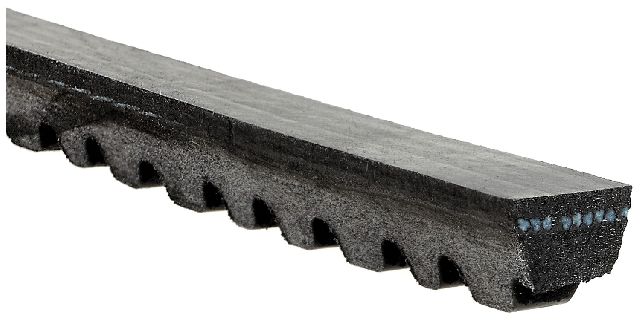
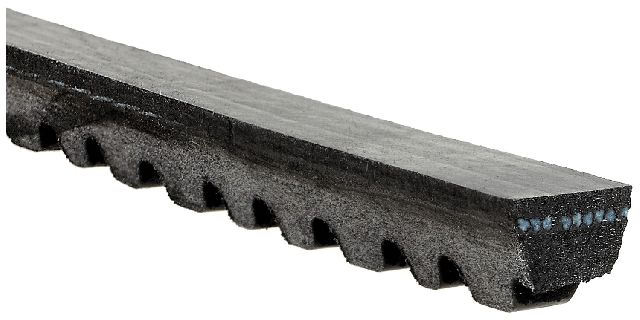
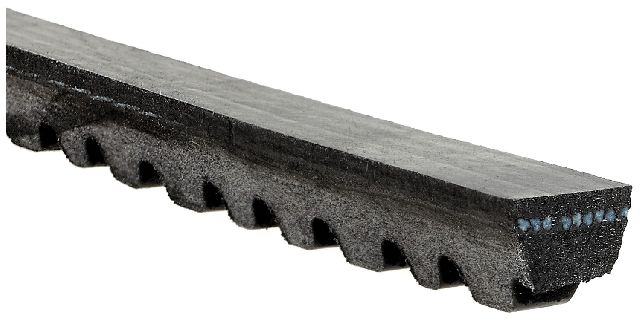
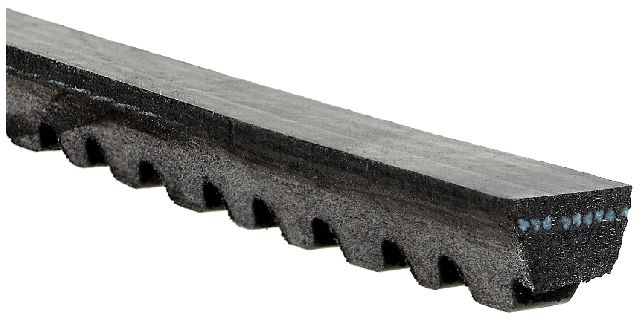
- Multiple V-Belts (Common on 1980s models): Earlier vans in this generation typically use multiple, individual V-belts. Each component, like the alternator or power steering pump, is driven by its own belt. Tension on these belts is set manually by loosening the accessory, prying it to the correct tension, and tightening it back down.
- Single Serpentine Belt (Common on 1992-1994 models): Later models switched to a single, flat, ribbed belt that "snakes" around all the pulleys. These systems use an automatic spring-loaded tensioner that maintains the correct tension at all times, making replacement simpler.
Pro Tip: Always confirm your van's specific belt setup before ordering. Check your engine bay or consult a repair manual for your exact year and engine (3.9L V6, 5.2L V8, or 5.9L V8) to ensure you buy the correct number and type of belts.
Symptoms of a Failing Accessory Drive Belt
A failing belt gives clear warning signs. Ignoring them can leave you stranded.
- Squealing or Chirping Noises: This is the most common symptom, especially on startup or when turning the steering wheel. The noise comes from the belt slipping on the pulleys due to wear, contamination, or improper tension.
- Visible Damage: Inspect your belts regularly. Look for cracks, fraying, missing ribs, or a glazed, shiny appearance on the belt's surface.
- Accessory Failure: If your power steering becomes heavy, the battery warning light comes on, or the engine temperature gauge starts to rise, the belt may have failed. A complete belt failure will cause the water pump to stop, leading to rapid overheating.
Choosing the Right Aftermarket Belt Brand
For a vehicle of this age, original Mopar belts are often discontinued. However, the available aftermarket brands are often the same companies that supply automakers directly. All the listed brands are reputable, but forum discussions and mechanic preferences show some slight differences in reputation.
Tier 1: Premium & Problem-Solver Brands
- Continental: Highly regarded as an OEM supplier. Their belts, sometimes sold under the "Elite" name (formerly Goodyear Gatorback), are frequently praised for solving persistent chirping and noise issues when other brands could not.
- Gates: A top-tier, trusted brand known for its durability and OEM quality. Many mechanics default to Gates for its reliability and long life. NAPA-branded belts are often manufactured by Gates.
Tier 2: Solid OEM-Quality Brands
- Bando: A major OEM supplier, especially for Japanese vehicles, with a strong reputation for quality similar to Continental.
- Dayco: Supplies belts to many automakers, including Ford. While many have used Dayco belts without issue, they have more mixed reviews in forums compared to Gates or Continental, with some users reporting past issues with premature wear on aftermarket products. However, many consider them a quality premium belt.
| Part | Average Aftermarket Cost | Estimated Shop Labor Cost |
|---|---|---|
| Accessory Drive Belt(s) | $2.60 - $45.98 | $73 - $107 |
Frequently Asked Questions
What are the most common signs of a bad drive belt?
The most common signs are loud squealing or chirping from the engine, visible cracks or fraying on the belt itself, a battery warning light, or the engine overheating.
Can I replace the accessory drive belt myself?
Yes, this is a feasible DIY job for many owners. For later models with a serpentine belt, you'll need a breaker bar or a serpentine belt tool to release the automatic tensioner. For older models with V-belts, you'll need basic hand tools to loosen the accessories to remove and re-tension the belts. Always make a diagram or take a picture of the belt routing before you begin.
How often should I replace the belts on my B150?
There is no strict mileage interval. Belts should be inspected at every oil change for signs of wear like cracks, glazing, or fraying. A general recommendation is to consider replacement every 60,000 to 70,000 miles as preventative maintenance, or immediately if any signs of wear are present.
Should I replace the tensioner or pulleys at the same time?
Yes, it's highly recommended. On serpentine belt systems, the automatic tensioner and any idler pulleys wear out at a similar rate to the belt. While the belt is off, spin each pulley by hand. If they feel rough, make noise, or wobble, they should be replaced to prevent damage to the new belt.
Technical Specifications
Belt type varies by model year and engine configuration. Early models use multiple V-belts of varying lengths. Later models (approx. 1992-1994) use a single serpentine belt (poly-v, multi-ribbed).
We Have This Part in Stock

The information in this article is provided for general reference and educational purposes only. Vehicle specifications, procedures, and part compatibility can vary by production date, trim level, and region. Always consult your vehicle's factory service manual and verify part numbers before purchasing or performing repairs. Safety-critical components such as airbags, seat belts, and braking systems should be installed by a qualified professional.
- Dodge B150: