

Dodge B150 HVAC Heater Hose: A Complete Replacement Guide for 1981-1994 Models
Don't let a simple rubber hose leave you stranded or without heat; here's what you need to know for your Dodge B150 van.
- Heater hose failure on a B150 is due to age; symptoms include leaks, overheating, and lack of heat.
- Top aftermarket brands like Gates and Continental are excellent replacements; Dayco is a solid standard choice.
- Always replace heater hoses in pairs to prevent a second failure shortly after the first.
- Access can be tight; removing the interior engine cover may be necessary for the firewall connections.
Is Your Dodge B150's Heater Hose Failing?
On a van that has seen decades of service like the 1981-1994 Dodge B150, rubber parts are often the first to go. The heater hoses are constantly exposed to high temperatures and pressure, causing them to wear out over time. A failure isn't just an inconvenience; a significant coolant leak can lead to engine overheating and serious damage.
Key Failure Symptoms
- Coolant Leaks: This is the most obvious sign. You might see puddles of green, orange, or pink fluid under your van, especially towards the back of the engine near the firewall. Sometimes the leak is a slow drip, and other times it might spray over the engine bay.
- Visible Hose Damage: Inspect the hoses running from the engine to the firewall. Look for cracks, splits, bulging, or hoses that feel overly soft and spongy or hard and brittle. Any visible damage means a replacement is needed soon.
- No Heat or Poor Heat: If a hose is clogged or has a major leak, not enough hot coolant will reach the heater core, leaving you with lukewarm or cold air from the vents. However, be aware that a lack of heat on these vans can also be caused by a bad thermostat, a clogged heater core, or issues with the blend door.
- Sweet Smell: If you smell something sweet, like maple syrup, inside the cabin, it's likely coolant leaking from the heater core or the hose connections at the firewall.
- Engine Overheating: A leaking heater hose can cause a significant loss of coolant, leading your engine's temperature gauge to climb into the red. This is a critical situation that requires you to stop driving immediately.
Critical Warning: Overheating
If your temperature gauge is in the red or the overheat light comes on, pull over and shut off the engine as soon as it is safe. Driving with an overheated engine can cause catastrophic damage, including warped cylinder heads and complete engine failure.
Choosing the Right Aftermarket Heater Hose
For a vehicle of this age, finding new Original Equipment (OEM) hoses is nearly impossible. The aftermarket is your go-to source, and the quality is often as good or better than the original parts. The main brands you will find are Gates, Dayco, and Continental.
| Brand Tier | Brands | General Assessment |
|---|---|---|
| Premium | Gates, Continental | Often considered OEM-quality or better. Gates is well-regarded for its fitment and durability, with their "Green Stripe" line being a top-tier product. Continental (sometimes sold as Goodyear) is also a premium choice, with some users opting for their silicone hoses for even greater longevity. |
| Standard / Mid-Grade | Dayco | A reliable and widely available option. Many owners and shops use Dayco hoses with good results. While some users report they can be thicker, others have occasionally run into fitment issues compared to Gates, but they are generally considered a solid choice for any repair. |
Pro Tip: Replace in Pairs
Your B150 has at least two heater hoses (an inlet and an outlet). If one has failed due to age, the other is likely not far behind. It is highly recommended to replace both hoses at the same time to save yourself from doing the job twice.
Frequently Asked Questions (FAQ)
Is replacing the heater hose a DIY job?
Yes, for someone with basic mechanical skills and tools. The main challenge is access, as the hose connections at the firewall can be in a tight spot. You may need to remove the interior engine cover (the "dog house") for better access. The job involves draining the coolant, removing the old hose clamps and hoses (which may need to be cut off if stuck), installing the new parts, and then refilling and bleeding the air from the cooling system.
Are there any recalls or TSBs for B150 heater hoses?
No, searches of the NHTSA database and other technical resources show no specific recalls or Technical Service Bulletins (TSBs) for the HVAC heater hoses on the 1981-1994 Dodge B150. Failures are typically due to normal aging of the rubber components.
Should I use worm gear clamps or spring clamps?
Both work. Spring clamps provide constant tension as the hose expands and contracts with temperature. However, they can be difficult to install without special pliers. Worm gear clamps are easier to install with a simple screwdriver or nut driver and work just as well, provided you don't overtighten them and damage the hose.
Do I need a molded hose or can I use bulk hose?
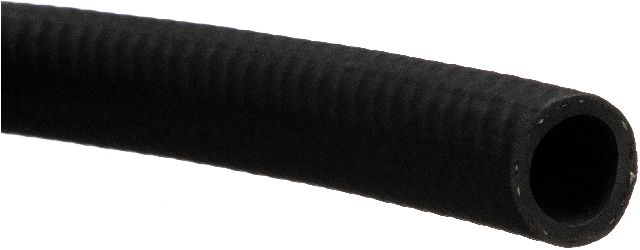
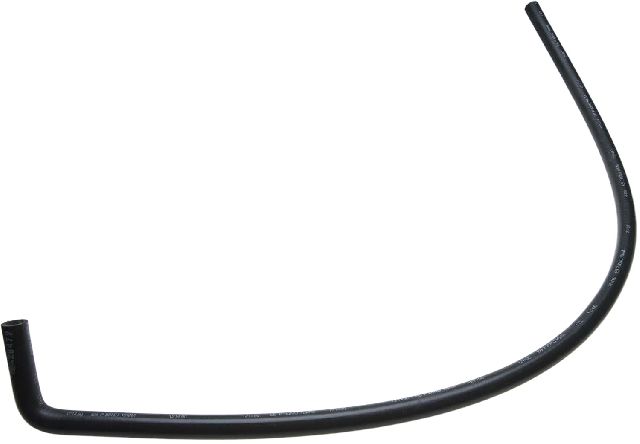
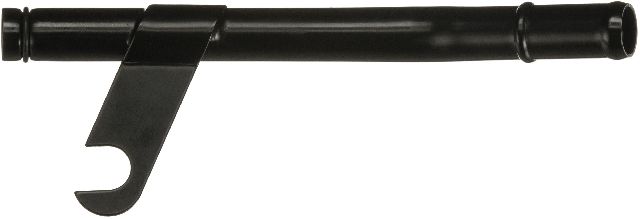
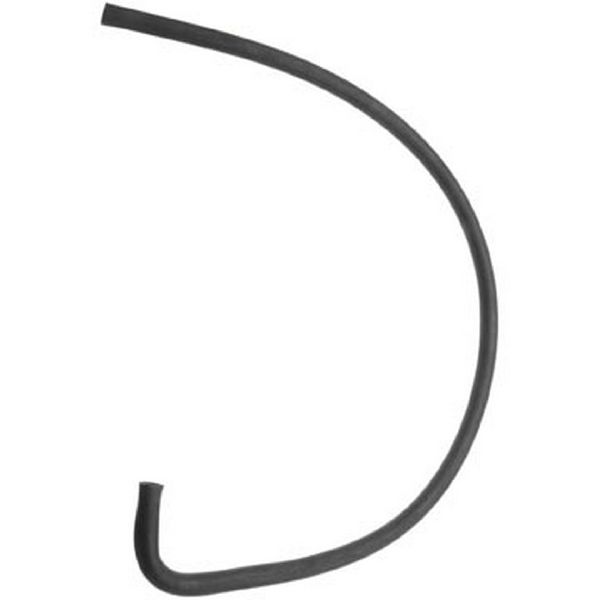
It depends on the specific hose. Many heater hoses on the B150 have specific bends to route around engine components. Using a pre-molded hose from a brand like Gates or Dayco ensures a perfect fit without kinks that could restrict coolant flow. For straight sections, a quality bulk heater hose of the correct diameter is acceptable.
Technical Specifications
Hoses are typically 5/8" or 3/4" inner diameter. Molded hoses are recommended over bulk hose for sections with tight bends. Material is typically EPDM rubber, with silicone available as a premium upgrade.
We Have This Part in Stock



The information in this article is provided for general reference and educational purposes only. Vehicle specifications, procedures, and part compatibility can vary by production date, trim level, and region. Always consult your vehicle's factory service manual and verify part numbers before purchasing or performing repairs. Safety-critical components such as airbags, seat belts, and braking systems should be installed by a qualified professional.
- Dodge B150: