

Dodge B250 Engine Coolant Bypass Hose: A Replacement Guide (1981-1994)
Addressing a small but critical hose that is a common source of coolant leaks and overheating on vintage Dodge B250 vans.
- The bypass hose is a common, but often hidden, source of coolant leaks on 1981-1994 Dodge B250s.
- Always replace this hose when replacing the water pump to avoid future, labor-intensive repairs.
- Choose a quality, pre-molded aftermarket hose from a brand like Gates or Continental for the best fit and longevity.
- Do not drive if you suspect a coolant leak; overheating can quickly cause catastrophic engine damage.
Is Your Dodge B250 Leaking Coolant?
If you're finding puddles of coolant under your van or constantly having to top off the radiator, a failing engine coolant bypass hose is a likely suspect. On the 1981-1994 Dodge B250, this hose is a known failure point due to age, heat, and its location deep in the engine bay. Because it's often hidden under the A/C compressor or other brackets, a leak here can be hard to spot and is sometimes misdiagnosed. A failure in this small hose can cause the same amount of damage as a large radiator hose bursting, leading to rapid coolant loss and severe engine overheating.
Symptoms of a Failing Bypass Hose
Keep an eye and nose out for these common signs of a bad bypass hose:
- Coolant Leaks: You may see drips or puddles of green or orange coolant under the front of the engine. The leak might appear to come from the water pump area.
- Low Coolant Level: Needing to add coolant to the reservoir or radiator frequently is a red flag.
- Sweet Smell: The distinct, sweet smell of hot antifreeze is a sure sign of a leak somewhere in the system.
- Engine Overheating: If the hose fails completely, you will lose coolant quickly, causing the engine temperature gauge to spike.
- Visible Hose Damage: If you can inspect the hose, look for cracks, swelling, brittleness, or a soft, spongy feel.
Pro Tip: Replace it With the Water Pump
The bypass hose is difficult to access. Mechanics often have to remove the alternator and A/C compressor brackets to get to it. Because of this, it is highly recommended to replace the bypass hose whenever you are replacing the water pump, even if it's not leaking yet. The extra few dollars for the hose is cheap insurance against having to do the difficult job twice.
Choosing the Right Aftermarket Hose
For a vehicle like the 1981-1994 B250, OEM parts are scarce. The aftermarket is your best source, and the quality is generally very good. The most important factor is getting a pre-molded hose that matches the original's shape perfectly to prevent kinks and ensure a good seal.
Brand Tiers for Your B250
- Premium Brands (Gates, Continental): Gates and Continental (sometimes sold as ContiTech) are widely regarded as top-tier manufacturers for hoses and belts, often supplying the original parts to automakers. They are known for excellent materials (like EPDM rubber) and precise fitment. Choosing one of these brands is a solid investment for reliability.
- Standard Reliable Brands (Dayco): Dayco is a well-known brand that offers good quality parts. While most users find their products reliable, occasional comments suggest fitment might not be as perfect as Gates, but they are a very common and dependable choice.
- Value Brands (ACDelco, Store Brands): ACDelco parts can be a mixed bag; sometimes they are a re-branded premium part, and other times they are not. For a critical and hard-to-reach part like the bypass hose, sticking with a brand known specifically for its rubber hose quality like Gates or Continental is often the safer bet.
Common Ordering Mistake
The Dodge B250 was available with different engines over its long production run (e.g., 3.9L V6, 5.2L V8, 5.9L V8). Ensure the hose you order is specified for your van's exact year and engine size, as the shape and size of the hose can vary.
Cost of a New Aftermarket Bypass Hose
| Part Type | Typical Price Range |
|---|---|
| New Aftermarket Bypass Hose | $13.57 - $81.22 |
| Shop Labor for Installation | $150 - $250 |
Note: Labor costs are an estimate and can vary significantly based on regional rates and the difficulty of accessing the part on your specific van. The job often involves removing other components.
Frequently Asked Questions
Can I install the bypass hose myself?
Yes, if you have moderate mechanical skill and the right tools. The main challenge is not the hose itself, but accessing it. You will likely need to drain the coolant, loosen the serpentine belt, and remove accessory brackets like the A/C compressor's. If you are not comfortable with this, it's best to leave it to a professional.
Should I replace the hose clamps too?
Yes, absolutely. Always use new hose clamps when installing a new hose. Old clamps can lose their tension and may not provide a secure seal, leading to leaks. Gates specifically recommends this.
Is an OEM hose better than aftermarket for this van?
Finding a genuine new-old-stock (NOS) Mopar hose for a vehicle this old is highly unlikely and would be very expensive. Modern aftermarket hoses from reputable brands like Gates or Continental are made with advanced EPDM rubber that resists degradation better than the original rubber from the 1980s and 90s. For this part, a quality aftermarket hose is the best choice.
How often should coolant hoses be replaced?
As a general rule, many manufacturers recommend replacing all coolant hoses every 5-7 years or around 60,000-90,000 miles as preventative maintenance. For an older vehicle like the B250, it's wise to inspect them annually and replace any that feel hard, brittle, or spongy.
Technical Specifications
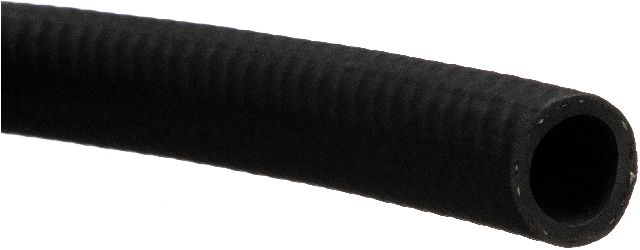
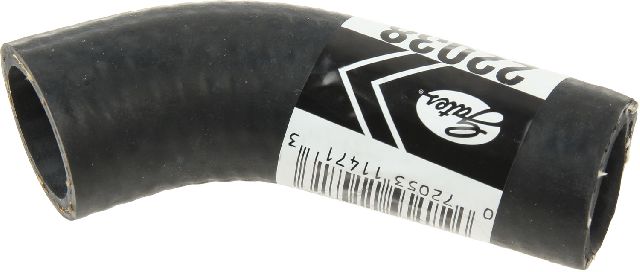
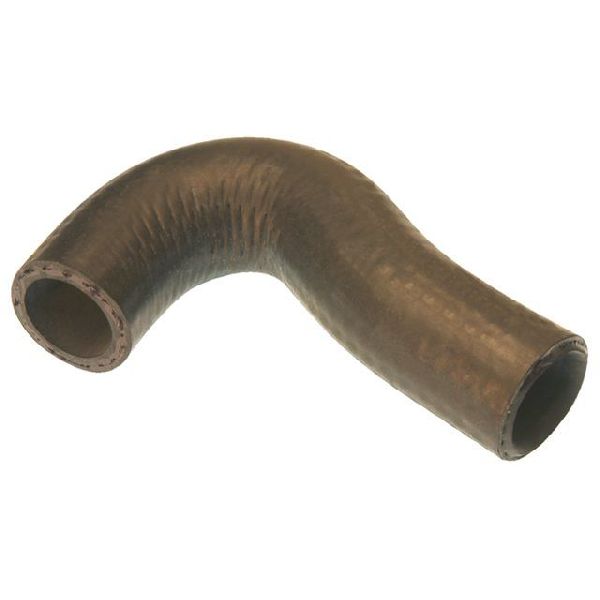
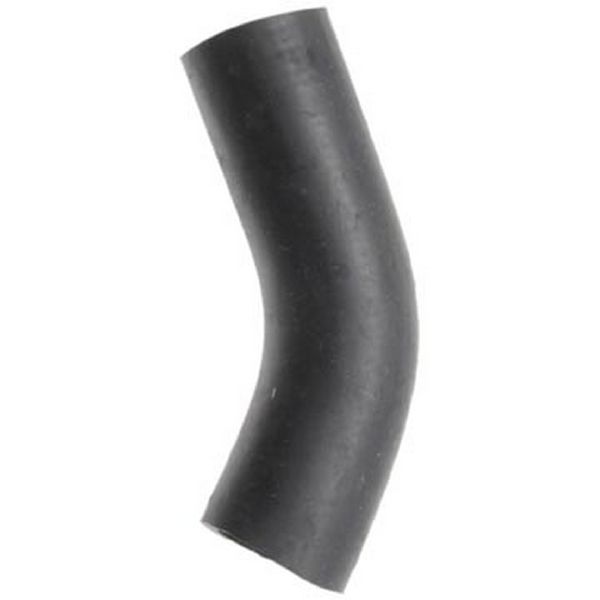
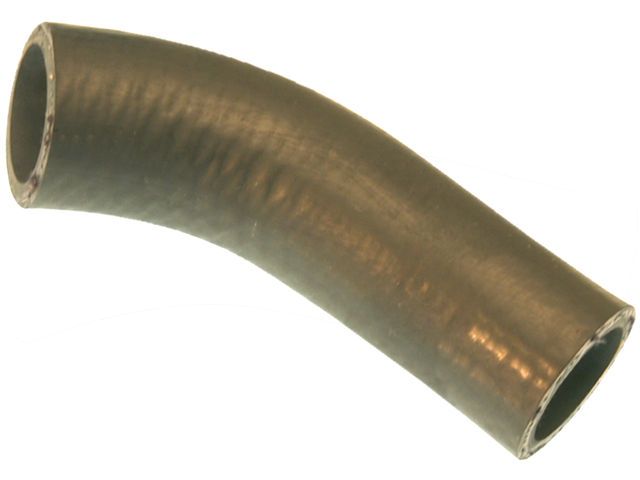
The Engine Coolant Bypass Hose is a small, pre-molded rubber hose, typically made of EPDM material. It connects coolant passages on the engine, usually between the water pump housing and the intake manifold, allowing coolant to circulate before the thermostat opens.
We Have This Part in Stock


The information in this article is provided for general reference and educational purposes only. Vehicle specifications, procedures, and part compatibility can vary by production date, trim level, and region. Always consult your vehicle's factory service manual and verify part numbers before purchasing or performing repairs. Safety-critical components such as airbags, seat belts, and braking systems should be installed by a qualified professional.
- Dodge B250: