

Dodge B250 Engine Oil Pressure Switch Guide for 1981-1994 Models
Is your Dodge B250's oil pressure gauge acting up? It might be this simple, inexpensive sensor.
- A flickering or erratic oil pressure gauge is most often caused by a bad sending unit, not a bad engine.
- Always verify a low oil pressure warning by checking the oil level first. Do not drive if you suspect a real oil pressure problem.
- This is a simple and inexpensive DIY repair. The main challenge is accessing the switch, which is often near the distributor.
- Make sure to buy the correct switch for your van's dashboard (gauge vs. warning light) and engine (LA vs. Magnum).
Is Your Oil Gauge Lying to You?
If you own an '81-'94 Dodge B250, you know it's a tough van. But even the most reliable parts can wear out. A common issue owners face is a faulty engine oil pressure switch. This can cause the oil pressure gauge on your dash to give false readings, flicker, or suddenly drop to zero. While an oil pressure warning is scary, many times the problem is this inexpensive sensor, not a major engine issue.
Symptoms of a Failing Oil Pressure Switch
A bad oil pressure switch on your B250 will usually give you clear signs. On these older vans, you won't get a "Check Engine" light or a diagnostic code. You need to watch your dashboard and listen to your engine. Common symptoms include:
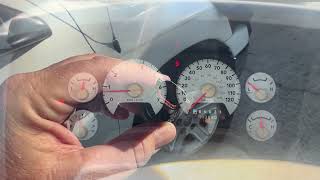
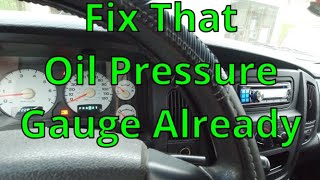
- Erratic Gauge Readings: The most common sign is the oil pressure gauge needle jumping around, or going from normal to zero or high for no reason. 🎬 See how a fluctuating oil gauge looks when idling
- Flickering Oil Light: If your van has a warning light instead of a gauge, it might flicker, especially at idle or when braking.
- Gauge Reads Zero (but the engine is quiet): If the gauge shows no pressure but your engine is running smoothly without any knocking or ticking noises, the switch is the most likely culprit. A real loss of oil pressure is usually very noisy.
- Oil Leaking from the Switch: The sensor itself can fail and develop a leak. You might see oil on the switch or dripping from its location on the engine block.
Never Ignore an Oil Pressure Warning
Even though a faulty switch is common, you must take any oil pressure warning seriously. As soon as it's safe, pull over and turn off the engine. First, check your oil level. If the level is correct, the issue could be the switch, but you risk catastrophic engine failure if you keep driving with actual low oil pressure.
Choosing the Right Aftermarket Switch
For a vehicle from this era, original Mopar parts are difficult or impossible to find. Aftermarket parts are the standard for this repair. Quality can vary, so it's good to know the brands.
- Premium Aftermarket (Standard Ignition): Standard Motor Products (SMP) is a well-known and respected brand that has been making quality electronic parts for decades. Many professional mechanics and experienced DIYers trust them for sensors like this. They are known for robust testing and quality materials.
- Standard Aftermarket (Rostra Powertrain): Rostra is a certified manufacturer that supplies parts to car companies directly (as an OE manufacturer) and the aftermarket. While they are well-regarded for transmission components, their sensors are built to high standards.
- Value/Economy (Global Parts): This brand falls into the value category. It will get the job done at a lower price point, but may not have the same long-term track record or stringent testing as the more established brands.
Pro Tip: Check Your Dash
Dodge offered these vans with either a simple warning light or a full pressure gauge. The switches for these two systems are different. Make sure you buy the switch that matches your van's dashboard configuration.
Known Issues, Recalls, and Service Bulletins
There are no major recalls or Technical Service Bulletins (TSBs) from the NHTSA or Dodge for the engine oil pressure switch on the 1981-1994 B250. Problems with this part are typically due to age and normal wear and tear rather than a specific manufacturing defect.
Generation Differences: LA vs. Magnum Engines
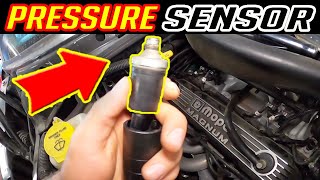
The 1981-1994 production run covers two engine families. Vans made before 1992 typically have the older LA-series V8s (5.2L/318ci, 5.9L/360ci). Starting in 1992, Dodge began phasing in the newer fuel-injected Magnum engines. 🎬 Watch: How to change the oil pressure sensor on Magnum V8s The location of the oil pressure switch is similar on both (usually near the distributor at the top rear of the engine), but the part itself may differ. Always confirm the part fits your specific year and engine before ordering.
| Item | Estimated Cost |
|---|---|
| Aftermarket Part | $10 - $52 |
| Shop Labor | $70 - $160 |
| Total Professional Replacement | $80 - $212 |
Frequently Asked Questions (FAQ)
Where is the oil pressure switch located on my B250?
For the common V8 engines, the oil pressure switch is usually located at the top of the engine block, toward the back, next to the distributor. It can be in a tight space. You will see a small cylindrical sensor with a single wire or a plastic electrical connector attached to it.
Can I replace this part myself?
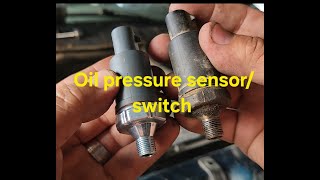
Yes, this is a very DIY-friendly job. You will need a special deep socket (usually 1 1/16 inch) for the oil pressure switch. The process involves disconnecting the wire, unscrewing the old switch, applying thread sealant to the new switch, 🎬 Watch this step-by-step oil sending unit replacement walkthrough screwing it in, and reconnecting the wire. Be prepared for a small amount of oil to drip out.
What happens if I ignore a bad oil pressure switch?
Ignoring it is a big risk. If the switch has failed and is causing a constant warning light, you won't know if a real, catastrophic drop in oil pressure occurs. If the switch has failed to report a genuine low-pressure problem, you could be destroying your engine without any warning. For the low cost of the part, it's not worth the risk.
Is it the switch or my oil pump?
On these older Dodge vans, the switch fails much more often than the oil pump. If your oil pressure gauge is acting up but the engine sounds normal (no loud ticking, clattering, or knocking), the problem is almost certainly the switch. If you hear new, loud noises along with a low-pressure reading, the problem is likely serious and internal to the engine.
Helpful Videos
Technical Specifications
The primary difference in parts is whether the vehicle is equipped with a dashboard gauge or a simple warning light. The introduction of Magnum engines in 1992 also creates a split in potential part numbers. Always verify the part against your vehicle's specific year and engine configuration.
We Have This Part in Stock


The information in this article is provided for general reference and educational purposes only. Vehicle specifications, procedures, and part compatibility can vary by production date, trim level, and region. Always consult your vehicle's factory service manual and verify part numbers before purchasing or performing repairs. Safety-critical components such as airbags, seat belts, and braking systems should be installed by a qualified professional.
- Dodge B250:
- 🎬 Helpful Videos
- 🛍️ Shop This Part
- Is Your Oil Gauge Lying to You?
- Symptoms of a Failing Oil Pressure Switch
- Never Ignore an Oil Pressure Warning
- Choosing the Right Aftermarket Switch
- Pro Tip: Check Your Dash
- Known Issues, Recalls, and Service Bulletins
- Generation Differences: LA vs. Magnum Engines
- Frequently Asked Questions (FAQ)
- 🎟️ Get 5% Off