

A Guide to Replacing Rear Drum Brake Shoes on Your 1981-1994 Dodge B350
Get the right stopping power for your heavy-duty van by choosing the correct aftermarket brake shoes.
- For a heavy B350 van, choose a premium or heavy-duty aftermarket brand like Wagner, Powerstop, or Centric's premium line.
- Always replace the drum brake hardware kit with the shoes to ensure proper function and prevent noise.
- Inspect the brake drums for grooves or heat damage and replace or resurface them as needed.
- A grinding noise or a non-working parking brake are critical signs that your brake shoes need immediate replacement.
Symptoms of Worn Drum Brake Shoes on a B350
Because drum brakes are hidden from view, you need to rely on sounds and feel to know when the shoes are worn. Ignoring these signs can lead to brake failure or damage to other parts like the brake drum.
- Scraping or Grinding Noises: A consistent scraping or grinding sound from the rear wheels when you brake is the most urgent sign. This usually means the friction material is completely gone, and the metal backing of the shoe is grinding against the metal drum.
- Reduced Stopping Power: If you notice it takes longer to stop your van, or the brake pedal feels soft and has to be pushed closer to the floor, your brake shoes may be worn out. This is often called "brake fade" and can be more noticeable when carrying a heavy load.
- Loose Parking Brake: The parking brake on your B350 uses the rear brake shoes to hold the van in place. If you pull the parking brake handle and the van still rolls, or the handle feels loose, the shoes are likely too worn to make proper contact with the drum.
- Pulling to One Side: If the van pulls to the left or right when you apply the brakes, it could mean the shoes on one side are worn more than the other or are contaminated with fluid from a leaking wheel cylinder.
Choosing the Right Aftermarket Brake Shoes
For a vehicle from this era, original equipment (OEM) parts are generally not available. The aftermarket offers a wide range of quality and performance. For a heavy vehicle like the B350, it's best to avoid the cheapest options and choose a shoe designed for durability and heat resistance.
| Brand Tier | Brands | Best For |
|---|---|---|
| Good (Standard Replacement) | Total Stopping Solutions, Dynamic Friction, Centric (Standard lines) | Daily driving with light loads. These meet or exceed basic factory specifications and offer a good value. Centric is a widely respected aftermarket manufacturer with consistent quality. |
| Better (Premium Replacement) | Wagner Brakes (OEX/QS), Centric (Premium lines) | Owners who want longer life and quieter operation. Wagner is a well-established brand known for quality. Their premium lines often feature better materials and construction for improved durability. |
| Best (Heavy-Duty / Performance) | Powerstop, Wagner Brakes (Severe Duty - SD) | Towing, heavy hauling, or camper conversions. Powerstop is known for performance-oriented brake kits. Wagner's SD line is specifically engineered for trucks and vans that operate under extreme conditions. These shoes are made with friction materials that better handle high heat and prevent brake fade. |
Pro Tip: Always Replace the Hardware
When you replace your brake shoes, you should always install a new drum brake hardware kit. These kits are inexpensive and include all the springs, clips, and pins that hold the shoes in place. Old springs lose their tension, which can cause the shoes to drag, wear out prematurely, or make noise. Also, inspect the wheel cylinders for any signs of brake fluid leaks and check the self-adjuster for proper function.
Frequently Asked Questions (FAQ)
Should I replace the brake drums at the same time?
You don't always have to, but you must inspect them. The inner surface of the drum should be smooth. If it has deep grooves, a large lip on the edge, or signs of overheating (dark blue spots), it needs to be replaced. Driving with worn-out shoes can quickly ruin the drums. At a minimum, a shop may recommend "turning" or machining the drums to create a fresh, flat surface.
What's the difference between bonded and riveted brake shoes?
Bonded shoes have the friction material glued to the metal backing, while riveted shoes use metal rivets. Riveted shoes are often found in heavy-duty applications because they can handle higher heat and shear forces. However, the rivets can score the drum if the shoes wear down too far. Bonded shoes provide a quieter operation and can't score the drum, but the adhesive can fail under extreme heat. For a B350, either type is acceptable, but riveted shoes are common in heavy-duty options.
Can I do this job myself?
Replacing drum brake shoes is more complex than changing disc brake pads. It involves a lot of springs under tension that must be removed and reinstalled in a specific order. While it is possible for a skilled DIY mechanic with the right tools (like a brake spring tool), it can be frustrating for a beginner. If you are not comfortable, it's a job best left to a professional.
Are there any recalls for my B350's brakes?
Searches of the National Highway Traffic Safety Administration (NHTSA) database did not show any specific recalls for the drum brake shoes on the 1981-1994 Dodge B350. Most issues are related to normal wear and tear.
Technical Specifications
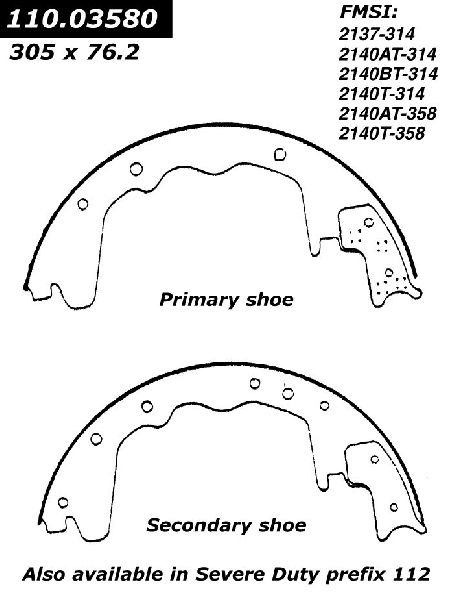
Brake shoe sets vary based on the specific rear axle and drum size (e.g., 12x2.5 inch or 12x3 inch). Always verify the correct size for your specific B350 model year and configuration before purchasing.
We Have This Part in Stock
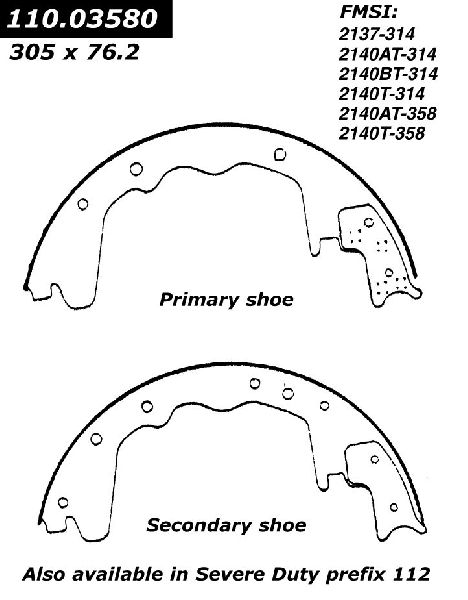
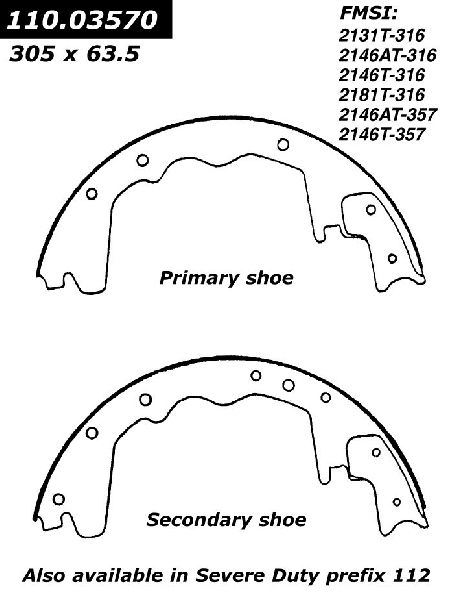
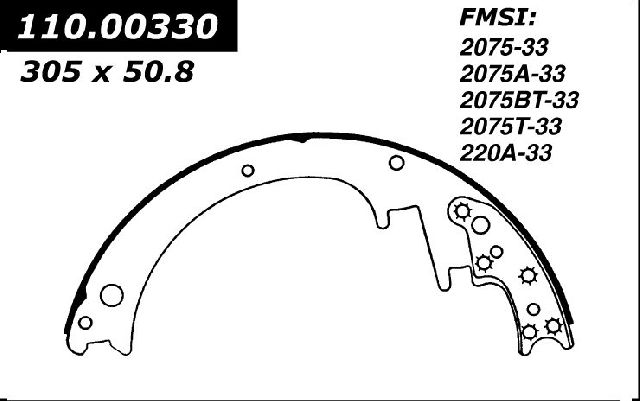
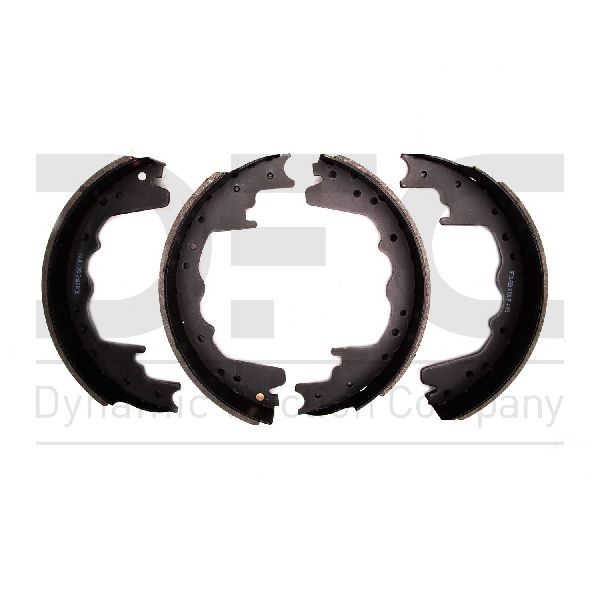


The information in this article is provided for general reference and educational purposes only. Vehicle specifications, procedures, and part compatibility can vary by production date, trim level, and region. Always consult your vehicle's factory service manual and verify part numbers before purchasing or performing repairs. Safety-critical components such as airbags, seat belts, and braking systems should be installed by a qualified professional.
- Dodge B350: