

Ford F-150 Engine Coolant Temperature Sensor Guide (1981-1994)
Fix poor fuel economy and rough idle by understanding the most misunderstood sensor on your truck.
- Confirm you are replacing the two-wire ECT sensor for the computer, not the one-wire sender for the gauge.
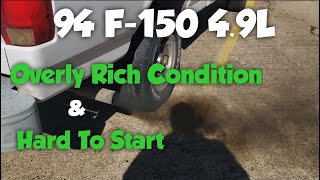
- A bad sensor makes the engine run rich, causing poor fuel economy, black smoke, and a rough idle.
- This is an easy, inexpensive DIY repair that can be done in under an hour with basic tools.
- A quality aftermarket brand like NGK, Delphi, or Standard Ignition is a reliable and cost-effective choice for these trucks.
Is a Bad Coolant Temperature Sensor Causing Your Truck's Problems?
If your F-150 is running rough, guzzling gas, or blowing black smoke, a faulty Engine Coolant Temperature (ECT) sensor is a likely culprit. This small, inexpensive part plays a huge role in how your engine performs, and when it fails, it usually tells the engine computer that the engine is freezing cold, even when it's fully warmed up. This leads to the computer dumping extra fuel into the engine, causing a host of problems that can be easily fixed.
🎬 Watch this F-150 diagnostic for rich running and black smoke.The Most Common Mistake: Sensor vs. Sender
🎬 See the visual difference between the sensor and the sender.Your 1981-1994 F-150 has TWO temperature components. Confusing them is the #1 mistake owners make.
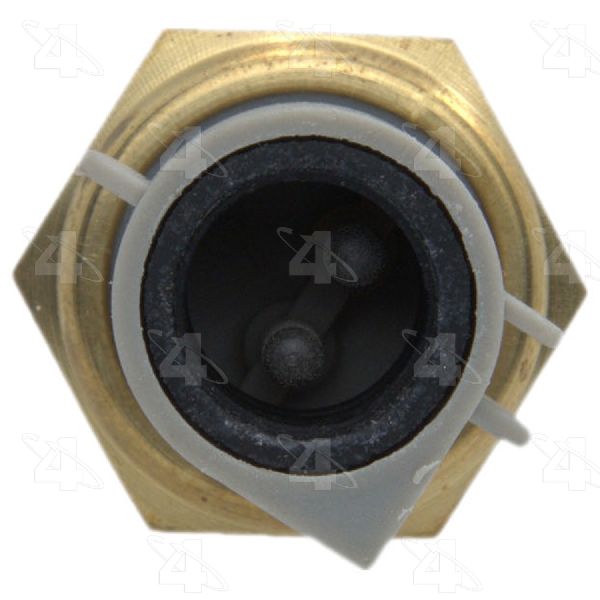
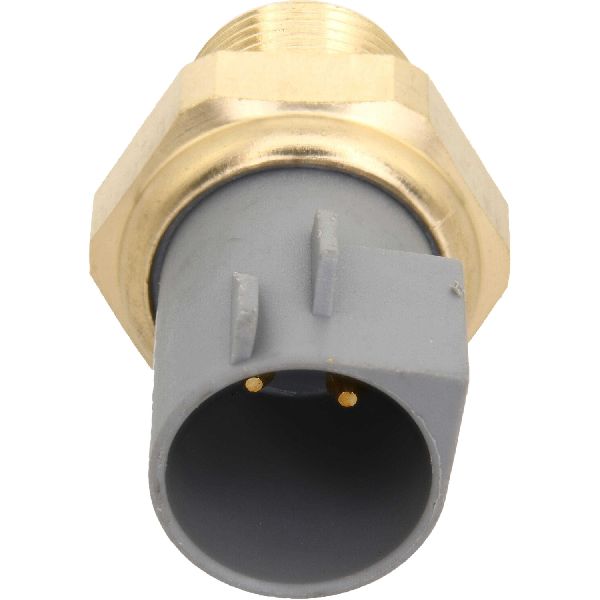
- Engine Coolant Temperature (ECT) Sensor: This has a two-wire connector and talks to the engine computer. It controls fuel mixture and performance. This is the part that fixes running issues.
- Temperature Sender: This has a single-wire connector and only talks to the temperature gauge on your dashboard. If it fails, your gauge will stop working, but it will not affect how the engine runs.
Before buying, confirm you are diagnosing and replacing the correct two-wire ECT sensor for your engine problems.
Choosing the Right Aftermarket Sensor
For a truck of this vintage, a high-quality aftermarket ECT sensor is a smart and affordable choice. OEM Motorcraft parts can be difficult to find and are not essential unless you're doing a perfect factory restoration. Aftermarket brands offer excellent value and reliability.
- Premium Aftermarket (NGK, Delphi, Standard Ignition): These brands are well-regarded by mechanics and enthusiasts. They often use high-quality materials like brass and are engineered to meet or exceed original specifications. For a few extra dollars, they provide peace of mind and are a solid investment.
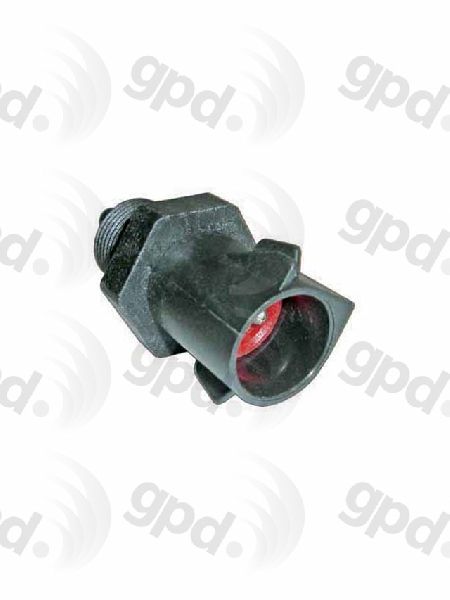
- Standard Aftermarket (Four Seasons, Global Parts, True Tech, Holstein): These brands offer a functional and budget-friendly solution. They are a good option for getting your truck back on the road without spending much. While they may not have the same long-standing reputation as the premium brands, they are typically reliable for this simple application.
Typical Costs for an ECT Sensor Replacement
| Part Type | Cost Range | Notes |
|---|---|---|
| New Aftermarket | $12.13 - $56.45 | Price depends on brand quality. |
| New OEM (Motorcraft) | $30 - $60 | May be harder to source for older models. |
| Shop Labor | $50 - $100 | Typically a 0.5 hour job. |
Pro Tip: Installation
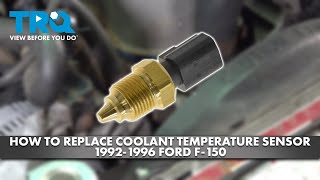
Replacing the ECT sensor is a simple job you can do in under an hour with basic tools. The sensor is usually located near the thermostat housing at the front of the engine. Remember to apply thread sealant or Teflon tape to the new sensor's threads to prevent coolant leaks, unless it comes with a pre-applied sealant. Also, let the engine cool down completely before starting to avoid burns and release any pressure by opening the radiator cap.
Frequently Asked Questions
Where is the ECT sensor located on my F-150?
It varies slightly by engine. On the 4.9L inline-6, it's typically in the thermostat housing. On the 5.0L and 5.8L V8 engines, it's usually screwed into the intake manifold near the distributor. 🎬 Watch a walkthrough for replacing the sensor on V8 engines. Look for a two-wire sensor in that area.
What is the difference between the ECT sensor and the temperature sender?
The ECT sensor has two wires and sends data to the engine computer to control performance. The temperature sender has one wire and only operates the temperature gauge on your dash. They are not interchangeable.
Can I drive with a bad ECT sensor?
Yes, but it's not recommended for long. Your truck will run very rich, resulting in terrible gas mileage, fouled spark plugs, and potential damage to the catalytic converter over time.
Do I need to use thread sealant on the new sensor?
Yes. Unless the new sensor comes with a sealant patch already applied to the threads, you should use a small amount of automotive thread sealant or Teflon tape to ensure a leak-free seal.
Helpful Videos
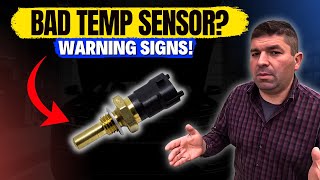
Technical Specifications
OEM Part Numbers: F1SZ-10884-A F2AZ-12A648-A 9U2Z-12A648-A
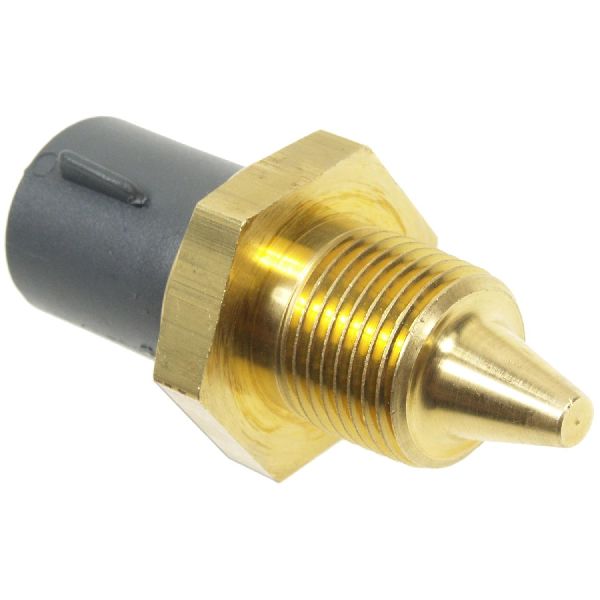
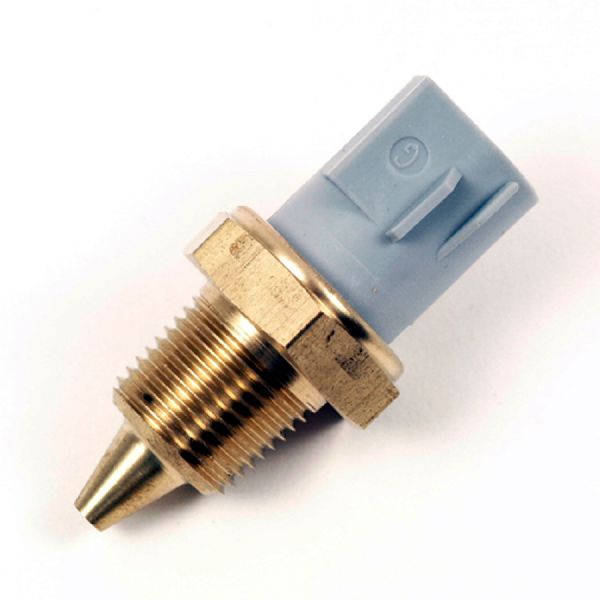
Typically features a 2-pin connector and a brass body with either 3/8" or 1/2" NPT threads. Always verify the specific thread size for your engine and year.
We Have This Part in Stock


The information in this article is provided for general reference and educational purposes only. Vehicle specifications, procedures, and part compatibility can vary by production date, trim level, and region. Always consult your vehicle's factory service manual and verify part numbers before purchasing or performing repairs. Safety-critical components such as airbags, seat belts, and braking systems should be installed by a qualified professional.
- Ford F-150: