

Engine Coolant Temperature Sensor Guide for the 1981-1995 GMC G1500
Keep your van's engine computer informed and running right with the correct temperature sensor.
- Verify if you need the two-wire ECT sensor for the computer or the one-wire sender for the gauge.
- Replacement is a simple DIY task that takes less than 30 minutes with basic tools.
- Investing in a quality brand like Delphi, NGK, or Standard Ignition can prevent repeat failures and incorrect readings.
- A bad sensor will cause poor fuel economy, rough running, and can lead to more serious issues if ignored.
Is Your G1500's Coolant Sensor Failing?
A bad Engine Coolant Temperature (ECT) sensor can cause a range of confusing problems that might not seem related to engine temperature. Because the sensor's reading is so important for fuel calculations, a faulty one can make your van run poorly. Symptoms often get worse when the engine is cold.
Sensor vs. Sender: A Critical Distinction for Your Van
On many vehicles from this era, including the 1981-1995 G1500, there can be two similar-looking parts. It's crucial to know which one you are replacing.
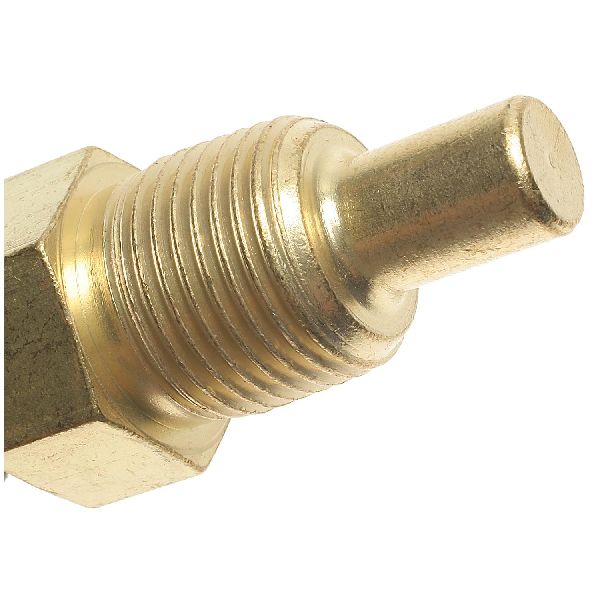
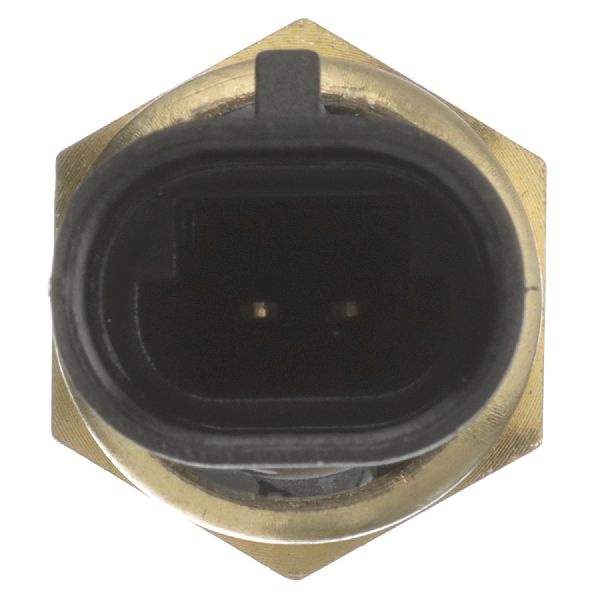
- Engine Coolant Temperature (ECT) Sensor: This has two or more wires and sends information to the engine computer (ECM). This is the part that affects engine performance.
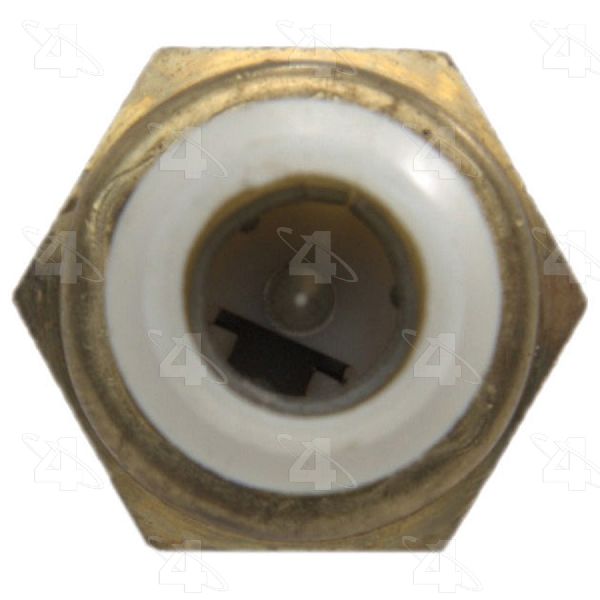
- Coolant Temperature Sender: This typically has only one wire and its sole job is to operate the temperature gauge on your dashboard. A bad sender will not cause running issues, but your gauge will be inaccurate.
Choosing the Right Aftermarket Sensor
While an OEM sensor from GM (or its official brand, AC Delco) is an option, the aftermarket offers a wide variety of choices at different price points. For a critical sensor like this, quality matters. A sensor that is out of spec, even when new, can cause the same running problems as a failed one. Based on general reputation for GM vehicles, brands can be grouped into tiers.
Aftermarket Brand Quality Tiers
- Tier 1 (OEM & OEM-Supplier Quality): Delphi is often an original equipment supplier for GM and is a trusted choice. NGK and Beck Arnley (which often re-packages OEM parts) are also generally considered reliable.
- Tier 2 (Reputable Aftermarket): Brands like Standard Ignition (SMP) and Four Seasons have been making aftermarket parts for decades and are usually a solid choice for a standard replacement.
- Tier 3 (Value-Oriented): Other brands like Walker Products, Global Parts, and True Tech offer a more budget-friendly option. While they may function correctly, long-term reliability can sometimes be a gamble compared to higher-tier brands.
How to Replace the ECT Sensor on a 1981-1995 G1500
This is a straightforward DIY job that most owners can complete with basic tools.
- Location: The ECT sensor is typically located on the front of the intake manifold, near the thermostat housing, or on the driver's side cylinder head between the first and third spark plugs. It will have a two-wire electrical connector.
- Tools: You will usually need a 19mm or 13/16" deep socket or wrench.
- Procedure: Make sure the engine is completely cool. Disconnect the electrical connector. Have the new sensor ready in your hand. Use the wrench to unscrew the old sensor. As soon as it's out, quickly thread the new sensor in by hand to minimize coolant loss. Tighten it snugly with the wrench (don't overtighten), and reconnect the electrical plug. Top off any lost coolant.
| Category | Estimated Cost |
|---|---|
| DIY Aftermarket Part | $12.58 - $37.74 |
| Shop Labor | $75 - $125 |
| Total Professional Replacement (Aftermarket) | $88 - $163 |
Frequently Asked Questions
Will a new ECT sensor fix my inaccurate dashboard temperature gauge?
Probably not. The dashboard gauge is usually operated by a separate, single-wire "sender," not the two-wire ECT sensor that the computer reads. If your gauge is the problem, you need to replace the sender.
Are there any recalls for the G1500 coolant sensor?
No. Searches of the National Highway Traffic Safety Administration (NHTSA) database show no recalls or technical service bulletins (TSBs) specifically for the engine coolant temperature sensor on the 1981-1995 GMC G1500.
Do I need to drain all the coolant to replace the sensor?
No. If you are quick, you will only lose a small amount of coolant. Have the new sensor ready to screw in as soon as you remove the old one. You can place a rag underneath to catch any spillage and top off the radiator after you are done.
What happens if I ignore a bad coolant sensor?
You will experience poor fuel economy, rough running, and potentially hard starting. In a worst-case scenario, a sensor that fails to report an overheating condition could lead to severe engine damage. A sensor that always reports "cold" can cause your engine to run too rich, which can foul spark plugs and damage the catalytic converter over time.
Technical Specifications
OEM Part Numbers: 12146312 15326386 25036979 10045847 25036708 19236568
Two-pin connector. Typically requires a 19mm or 13/16" socket for removal and installation.
We Have This Part in Stock



The information in this article is provided for general reference and educational purposes only. Vehicle specifications, procedures, and part compatibility can vary by production date, trim level, and region. Always consult your vehicle's factory service manual and verify part numbers before purchasing or performing repairs. Safety-critical components such as airbags, seat belts, and braking systems should be installed by a qualified professional.
- GMC G1500: