

A/C Receiver Drier Guide for the 1981-1995 Isuzu Pickup
Keep your classic Isuzu Pickup's A/C blowing cold by choosing the right replacement receiver drier.
- You MUST identify if your truck uses R12 or R134a refrigerant before buying a drier, as the parts are different.
- Always replace the receiver drier whenever the A/C system is opened for another repair, like a compressor or condenser replacement.
- Denso is a top-tier brand for your Isuzu, while Four Seasons and ACDelco offer a good balance of quality and value.
- This is not a DIY job for beginners; it requires special equipment to handle the refrigerant safely and legally.
Is Your A/C Receiver Drier Failing?
A bad receiver drier can cause your whole A/C system to fail. Because it's designed to trap moisture and debris, it can become clogged over time. A clogged drier restricts the flow of refrigerant, leading to poor cooling and putting stress on the A/C compressor.
Key Failure Symptoms:
- Poor or No Cooling: The most common symptom. If the drier is clogged, the refrigerant can't circulate properly to cool the cabin.
- Foggy Windows You Can't Defrost: A properly working A/C system helps remove humidity from the cabin. If it's failing, you may notice your windows fog up easily and are hard to clear.
- A/C Cuts In and Out: A restriction in the drier can cause pressures in the system to go too high or too low, tripping the pressure switches and causing the compressor to cycle on and off erratically.
- Visible Leaks or Oily Residue: While the drier itself rarely leaks, the seals where the lines connect can fail. You might see a greasy, oily residue on the drier or its fittings.
Important: R12 vs. R134a Refrigerant
The 1981-1995 model years span a major change in A/C systems. Trucks made before 1993 typically used R12 refrigerant, while 1993-1995 models used R134a. Many older R12 systems have been converted to R134a. Before buying a new drier, you must identify which system your truck has. Look at the A/C service ports:
- R12 Ports: Have external threads, like a tire valve.
- R134a Ports: Use a larger, quick-disconnect style fitting.
Using the wrong parts can lead to leaks and system failure. Ensure the drier you buy is compatible with your refrigerant type (and the corresponding lubricating oil).
Choosing the Right Aftermarket Receiver Drier
For a vehicle of this age, original Isuzu parts are likely discontinued or very difficult to find. The aftermarket is your primary source. Quality is key, as a cheap drier with poor-quality desiccant (the moisture-absorbing material) won't protect your system.
Aftermarket Brand Tiers
Based on general reputation and owner feedback for Japanese vehicles, brands can be grouped into tiers:
- Top Tier (OEM Quality): Denso is often the original equipment manufacturer for Japanese brands and is considered the gold standard. If you can find a Denso drier that fits your budget, it's a top choice.
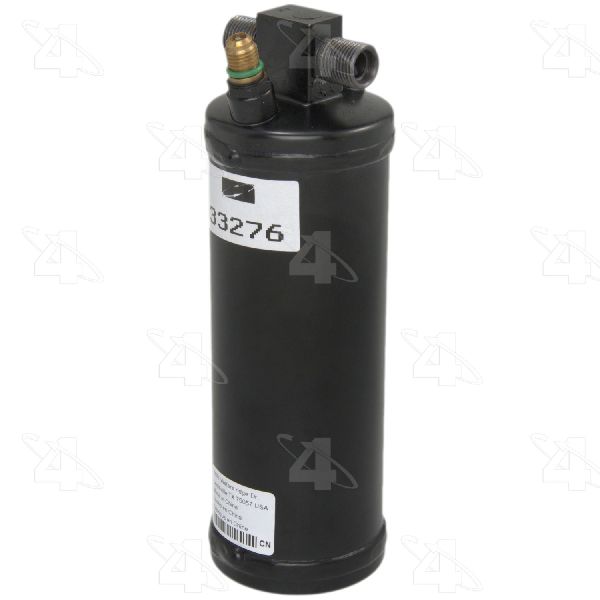
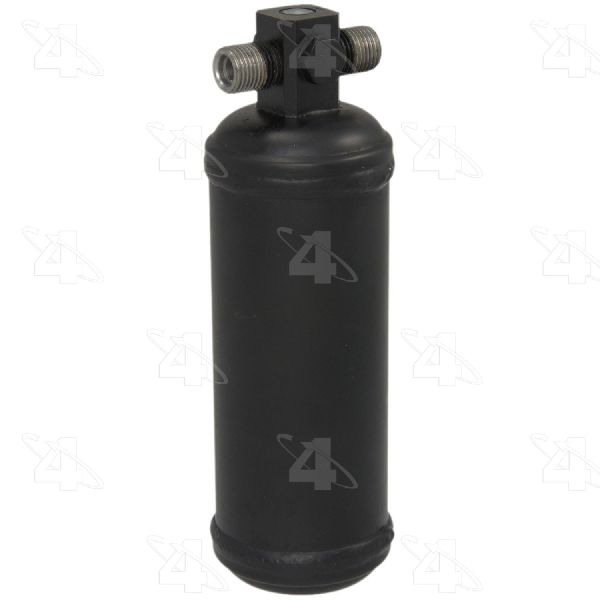
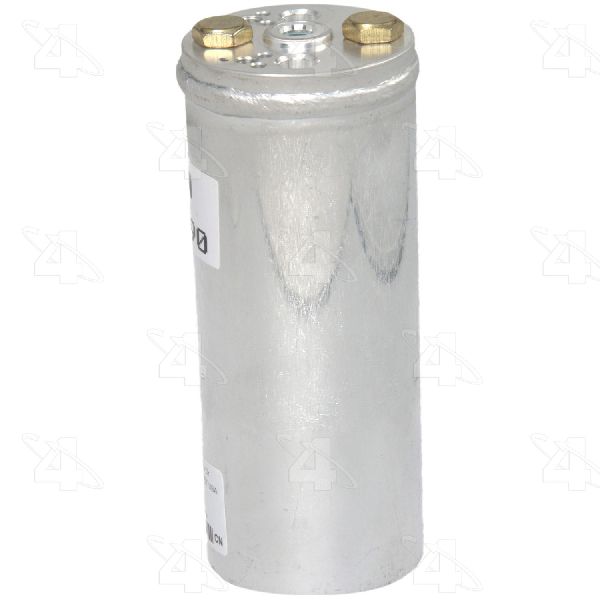
- Good Quality Aftermarket: ACDelco and Four Seasons are well-known brands that offer a good balance of quality and price. Many owners have used Four Seasons parts with long-term success.
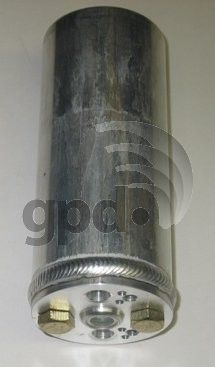
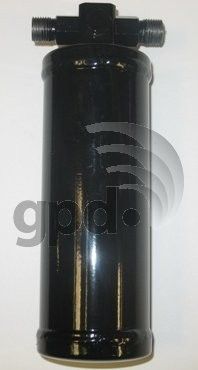
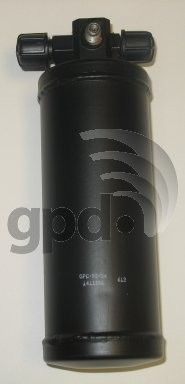
- Standard Aftermarket: Brands like Global Parts Distributors (GPD) and UAC are common, budget-friendly options. They are a viable choice, especially if top-tier brands are not available for your specific year. UAC notes that they use quality XH9 desiccant, similar to OEM.
Pro Tip: Replacing the receiver drier is mandatory to validate the warranty on a new A/C compressor. Don't skip this step. A shop will refuse to warranty a new compressor if the old drier is left in the system.
Known Issues for 1981-1995 Isuzu Pickups
Owners have reported a few specific issues with the A/C systems on these trucks:
- Stuck Expansion Valve: On older models (like a 1984 PUP), a stuck expansion valve can cause the low-side pressure to drop into a vacuum and the high-side pressure to remain low, preventing cooling. This is often caused by debris or moisture, which a new drier helps prevent.
- Seized Line Fittings: The A/C line fittings, particularly where aluminum and steel parts connect, can corrode and become very difficult to loosen after many years.
- Dirty Evaporator Core: These trucks were not equipped with a cabin air filter, allowing decades of dirt and leaves to clog the evaporator core, which reduces airflow and cooling performance. While you're servicing the system, it's a good idea to inspect and clean the evaporator if possible.
Frequently Asked Questions (FAQ)
Do I have to replace the drier when I replace my compressor?
Yes, absolutely. The old drier contains trapped moisture and debris from the failed compressor. Leaving it in will contaminate the new parts and void the warranty on your new compressor.
Can I replace the A/C receiver drier myself?
This is not recommended for beginners. The A/C system is highly pressurized and contains refrigerant that is illegal to release into the atmosphere. The job requires specialized tools, including a refrigerant recovery machine, a vacuum pump, and a gauge manifold set to safely evacuate and recharge the system.
My truck was converted from R12 to R134a. Does it matter which drier I buy?
Yes. You need a drier that is compatible with R134a refrigerant and the PAG or Ester oil used in converted systems. While some driers are compatible with both, it's best to confirm before buying. The desiccant material inside (like XH9) is designed to work with specific refrigerants and oils.
How often should a receiver drier be replaced?
The receiver drier should be replaced any time the A/C system is opened for service. It is not a maintenance item that you replace on a time or mileage schedule. It is replaced as part of a larger repair.
Technical Specifications
OEM Part Numbers: 8-97175-137-0 1-83535-080-0
Varies by year and refrigerant type. Key factors are inlet/outlet fitting sizes and locations, overall dimensions, and desiccant compatibility (R12/Mineral Oil vs. R134a/PAG/Ester Oil).
We Have This Part in Stock

The information in this article is provided for general reference and educational purposes only. Vehicle specifications, procedures, and part compatibility can vary by production date, trim level, and region. Always consult your vehicle's factory service manual and verify part numbers before purchasing or performing repairs. Safety-critical components such as airbags, seat belts, and braking systems should be installed by a qualified professional.
- Isuzu Pickup: