

Chevrolet G30 (1981-1997) Engine Coolant Temperature Sensor Guide
Fix poor performance and bad fuel economy on your G30 by understanding this critical engine sensor.
- A bad ECT sensor is a common cause of poor fuel economy and a rough idle on a G30.
- Verify you are replacing the two-wire ECT sensor for the computer, not the one-wire sender for the gauge.
- Replacement is simple, affordable, and a feasible DIY job that takes less than an hour.
- Choosing a quality aftermarket brand like Delphi or Standard Ignition is a reliable and cost-effective choice.
Is Your G30 Running Rough or Getting Bad Gas Mileage?
If your Chevrolet G30 van isn't running right, a faulty Engine Coolant Temperature (ECT) sensor could be the problem. This sensor plays a big role in how your engine performs, from starting up to cruising down the highway. A bad sensor can send wrong information to your van's computer, leading to a host of issues that can be frustrating to diagnose. This guide will help you understand the symptoms, choose the right aftermarket replacement, and get your G30 running smoothly again.
Symptoms of a Failing ECT Sensor
A bad ECT sensor usually fails by sending a constant "cold" signal to the engine's computer. This tricks the computer into thinking the engine never warms up, leading to several noticeable problems:
- Poor Fuel Economy: The computer continuously provides a rich fuel mixture, wasting gas.
- Black Smoke from Exhaust: The unburned fuel from the rich mixture exits through the exhaust, appearing as black smoke.
- Rough Idle: The engine may shake or vibrate at idle because the air-fuel mixture is incorrect.
- Hard Starting: Especially when the engine is warm, a bad sensor can make it difficult to restart.
- Check Engine Light: The engine computer will often detect a problem with the sensor's signal and turn on the Check Engine Light.
- Engine Overheating: In some cases, a faulty sensor can prevent the electric cooling fans from turning on at the right time, causing the engine to overheat.
A Common Mistake: Sensor vs. Sender
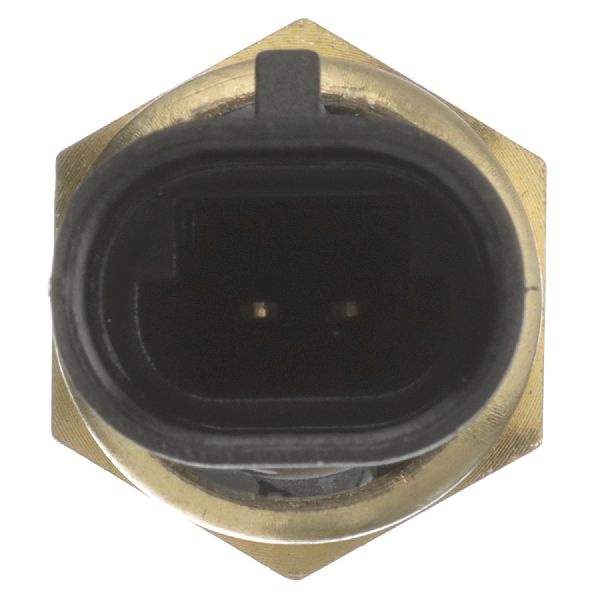
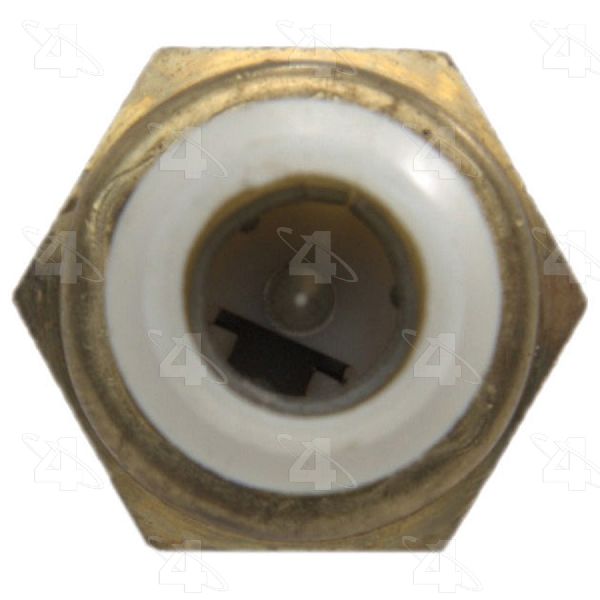
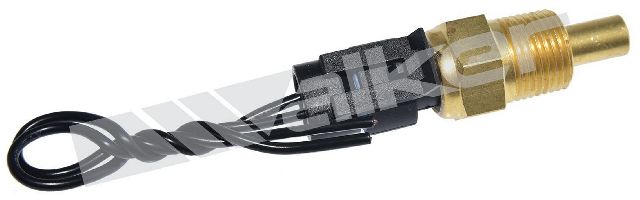
Many G30s have two temperature units. The Engine Coolant Temperature (ECT) Sensor has two wires and sends information to the engine computer. This is the part that affects engine performance. The Temperature Sender has one wire and only operates the temperature gauge on your dashboard. Before ordering, make sure you are replacing the correct two-wire sensor for engine performance issues.
Choosing the Right Aftermarket ECT Sensor
For a vehicle like the 1981-1997 G30, you don't need to pay for a dealership OEM part. High-quality aftermarket brands offer excellent performance and value. Here’s how they generally stack up:
- Tier 1 / OE-Quality Aftermarket (Recommended): Brands like Delphi, ACDelco Professional, and NGK are often original equipment manufacturers for GM. They are trusted for their fit, accuracy, and durability. Standard Ignition (SMP) is another top-tier brand with a strong reputation for quality that often meets or exceeds OEM specs.
- Tier 2 / Quality Aftermarket: Brands like Beck Arnley, Hella, and Walker Products provide reliable, OE-style replacements. They are a solid choice for a balance of price and quality.
- Tier 3 / Economy Brands: Other brands like Four Seasons, Global Parts, and True Tech offer a budget-friendly option. While functional, it's important to be aware that lower-cost electronics can sometimes have a shorter lifespan or be less accurate out of the box.
Pro Tip: Given the low cost of even the best aftermarket sensors, spending a few extra dollars for a Tier 1 brand like Delphi or Standard Ignition is a smart investment for reliability and peace of mind.
Cost to Replace a Chevrolet G30 ECT Sensor
Replacing this sensor is one of the more affordable repairs you can make. The part itself is inexpensive, and the labor is minimal.
| Item | Estimated Cost |
|---|---|
| New Aftermarket ECT Sensor | $12 - $38 |
| Shop Labor | $50 - $100 |
| Total Estimated Cost (Shop) | $62 - $138 |
| Total Estimated Cost (DIY) | $12 - $38 |
Note: Costs are estimates. Labor rates vary by location. The high estimates found on some repair sites ($600+) are not typical for this simple repair and may include other unrelated services.
Frequently Asked Questions (FAQ)
Where is the ECT sensor located on a Chevrolet G30?
The ECT sensor is typically screwed into the intake manifold, near the thermostat housing at the front of the engine. On V8 models, it's usually on the driver's side of the manifold. It will have a two-wire electrical connector.
Can I replace this sensor myself?
Yes, this is a great DIY job for beginners. You'll need a deep socket (usually 3/4" or 13/16") and a ratchet. The key is to let the engine cool down completely before you start. Some coolant will spill when you remove the old sensor, so work quickly to install the new one to minimize the mess.
What happens if I don't replace a bad ECT sensor?
You will continue to experience poor fuel economy, rough running, and increased engine wear over time due to the incorrect fuel mixture. In some cases, it could lead to engine overheating if the sensor also controls the cooling fans. It can also cause your vehicle to fail an emissions test.
Are there any recalls for this part on my G30?
No, there are no active recalls or common Technical Service Bulletins (TSBs) for the engine coolant temperature sensor on the 1981-1997 Chevrolet G30. Failures are typically due to the age and normal wear of the part.
Technical Specifications
OEM Part Numbers: 25037333 213-77 15326386 12146312
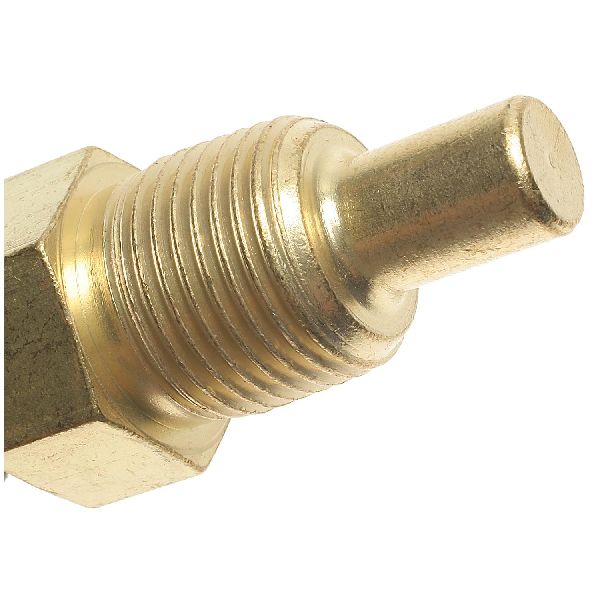
Typically has a 3/8" - 18 NPTF thread size and a 2-pin connector.
We Have This Part in Stock



The information in this article is provided for general reference and educational purposes only. Vehicle specifications, procedures, and part compatibility can vary by production date, trim level, and region. Always consult your vehicle's factory service manual and verify part numbers before purchasing or performing repairs. Safety-critical components such as airbags, seat belts, and braking systems should be installed by a qualified professional.
- Chevrolet G30: