

Ford Bronco Engine Coolant Temperature Sensor Guide (1981-1997)
Is your Bronco running rich or idling rough? A bad coolant temperature sensor could be the culprit.
- Your Bronco has two sensors: a two-wire ECT sensor for the engine computer and a one-wire sender for the dash gauge. Engine problems are caused by the ECT sensor.
- Symptoms of failure include black smoke, poor gas mileage, and rough idle.
- For reliability, choose an OEM (Motorcraft) or a premium aftermarket brand like Delphi or NGK.
- This is an easy and inexpensive DIY replacement that can solve major running issues.
Is a Failing Coolant Temp Sensor a Big Deal?
Yes, it can be. While the part itself is inexpensive, ignoring a bad Engine Coolant Temperature (ECT) sensor can lead to bigger problems. A faulty sensor can trick your Bronco's computer into thinking the engine is always cold. This causes it to run "rich," meaning it injects too much fuel. Over time, this can lead to fouled spark plugs, poor fuel economy, and even damage to your catalytic converter. On the other hand, if the sensor incorrectly tells the computer the engine is hot, it can make starting difficult and cause rough idling.
Sensor vs. Sender: A Common Mistake
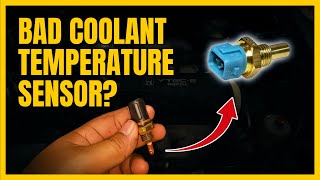
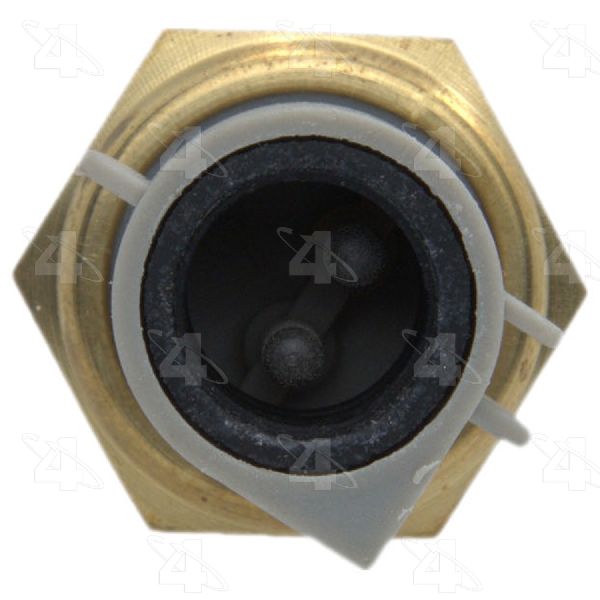
Your 1981-1997 Bronco has two similar-looking parts. The Engine Coolant Temperature (ECT) Sensor has two wires and sends information to the engine computer. The Coolant Temperature Sender (or sending unit) has one wire and only operates the temperature gauge on your dashboard. Many owners replace the wrong part. If you have engine performance issues, you need the two-wire ECT sensor.
Symptoms of a Bad ECT Sensor in a Ford Bronco
A failing ECT sensor can cause a variety of issues. Here are the most common signs Bronco owners report:
🎬 Watch this video to see common symptoms of a bad sensor.- Poor Fuel Economy: The engine computer gets a false "cold" signal and wastes fuel by running a rich mixture.
- Black Smoke from Exhaust: This is a clear sign of unburned fuel exiting the exhaust, often caused by a rich condition triggered by the bad sensor.
- Rough Idle or Stalling: The computer can't set the correct air-fuel mixture for a smooth idle.
- Check Engine Light: On 1996 and 1997 models with OBD-II, a bad sensor will trigger codes like P0117 (Circuit Low) or P0118 (Circuit High). Older models may store codes that can be read with an OBD-I scanner.
- Engine Overheating: While less common, if the sensor fails to signal that the engine is hot, the cooling fans may not activate when needed on models equipped with them.
- Hard Starting: The engine may be difficult to start, especially when it's already warm, because the computer is providing the wrong fuel mixture.
Choosing the Right Aftermarket ECT Sensor
For a simple but critical sensor like this, quality matters. While many brands are available, they generally fall into a few tiers. For a part this crucial to engine management, sticking with a reputable brand is a smart move.
OEM / Premium Aftermarket (Motorcraft, NGK/NTK, Delphi):
Motorcraft is Ford's own brand and the original equipment manufacturer (OEM). It's the benchmark for quality and fit. Many experienced owners and mechanics recommend sticking with Motorcraft for sensors to avoid issues. NGK (also known as NTK for sensors) and Delphi are top-tier OEM suppliers for many car brands and are known for their reliability and precision. These are excellent alternatives to Motorcraft.
Quality Aftermarket (Standard Ignition, Walker Products, Holstein):
Standard Motor Products (SMP) and Walker are well-known aftermarket brands that have been around for decades. They offer a good balance of quality and price. Holstein is another brand that produces a wide range of sensors. These are generally reliable choices for a daily driver.
Value Brands (Four Seasons, Global Parts, True Tech):
These brands focus on providing a lower-cost alternative. While they may function correctly, their long-term durability and the precision of their temperature readings can sometimes be inconsistent compared to premium brands. For a critical sensor, saving a few dollars here might lead to troubleshooting headaches later.
Pro Tip: When replacing the sensor, it's a good idea to also inspect the electrical connector. After decades of heat and vibration, the plastic can become brittle and the terminals can get corroded. A new connector pigtail is cheap and can prevent future problems.
Cost to Replace a Ford Bronco ECT Sensor (1981-1997)
| Part/Service | Estimated Cost |
|---|---|
| New Aftermarket ECT Sensor | $12 - $57 |
| New OEM (Motorcraft) ECT Sensor | $30 - $60 |
| Shop Labor | $50 - $100 |
| DIY Total | $12 - $57 |
| Shop Total | $62 - $160 |
Frequently Asked Questions
Where is the ECT sensor located on my Bronco?
On most V8 (5.0L, 5.8L) and I6 (4.9L) engines, the two-wire ECT sensor for the computer is located on the front of the intake manifold, often near the thermostat housing or a heater hose connection. It's typically threaded into a coolant passage. The single-wire sender for the gauge is usually nearby but is a separate component.
Can I drive my Bronco with a bad ECT sensor?
You can, but it's not recommended for long. The engine will likely run poorly, get terrible gas mileage, and could potentially cause other damage over time. It's best to get it replaced as soon as possible.
Is this a difficult part to replace myself?
No, this is a great DIY job for beginners. The sensor is usually easy to access. The main steps are partially draining the coolant, unplugging the old sensor, unscrewing it, and then installing the new one. Just make sure the engine is cool before you start!
Do I need to drain all the coolant to change it?
You don't need to drain all of it. You can drain just enough from the radiator's petcock so the coolant level is below the sensor. Alternatively, if you're quick, you can have the new sensor ready to go and swap it out with minimal coolant loss. Just be prepared for a small spill.
Are there any recalls for the ECT sensor on these Broncos?
No, searches of the National Highway Traffic Safety Administration (NHTSA) database and other public records show no official recalls or widespread safety campaigns for the engine coolant temperature sensor on 1981-1997 Ford Broncos.
Helpful Videos
Technical Specifications
OEM Part Numbers: DY1144 E1AZ-12A648-A F2AZ-12A648-A
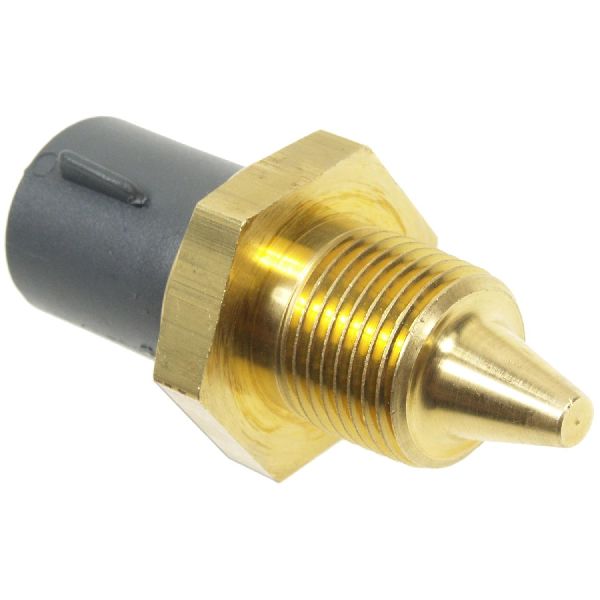
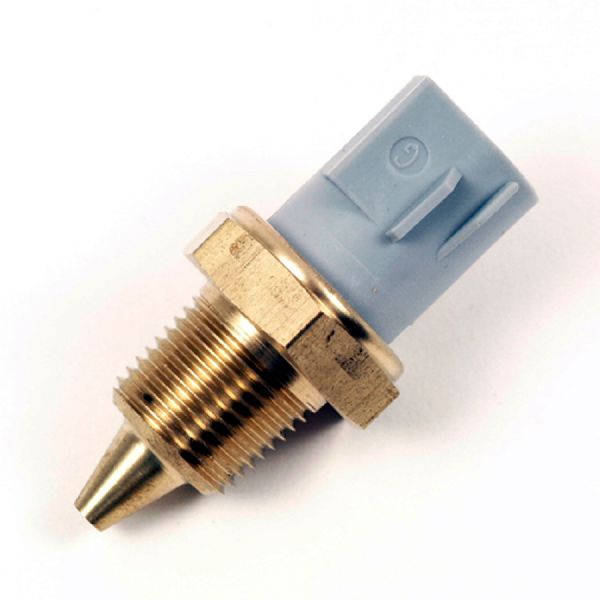
The ECT is a thermistor, a type of resistor whose resistance changes with temperature. As the engine warms up, the sensor's internal resistance decreases. The engine computer reads this change in resistance as a change in temperature to adjust fuel and timing. Most 1981-1997 Bronco sensors use a 2-wire, round-style connector.
We Have This Part in Stock


The information in this article is provided for general reference and educational purposes only. Vehicle specifications, procedures, and part compatibility can vary by production date, trim level, and region. Always consult your vehicle's factory service manual and verify part numbers before purchasing or performing repairs. Safety-critical components such as airbags, seat belts, and braking systems should be installed by a qualified professional.
- Ford Bronco: