

Accessory Drive V-Belt Replacement Guide for the 1982-1983 Dodge 400
Learn how to choose the right replacement V-belts to keep your classic Dodge 400's accessories running properly.
- Your Dodge 400 has multiple V-belts, not one serpentine belt; identify which ones you need before buying.
- A belt that drives the water pump is critical; if it fails, the engine will overheat.
- Squealing and visible cracks are urgent signs that your belts need to be replaced.
- Modern aftermarket belts from Gates, Continental, or Dayco are high-quality and superior to 1980s originals.
Understanding Your Dodge 400's Belt System
The 1982-1983 Dodge 400 uses a straightforward multi-belt system with individual V-belts for each accessory. This is different from a modern single serpentine belt. This means you may need to replace multiple belts, but it also makes the job simpler, as you can often replace one belt without disturbing the others. Your car will have a 2.2L Chrysler engine or a 2.6L Mitsubishi engine, which have different belt configurations. Always confirm your engine size and which accessories you have (like A/C) before ordering parts.
Symptoms of a Failing Accessory Drive Belt
Worn V-belts usually give clear warning signs before they fail completely. Ignoring them can leave you stranded.
- Squealing Noises: This is the most common symptom. You may hear a high-pitched squeal when you start the engine, when turning the steering wheel, or when the A/C kicks on. Noise that gets worse in wet weather is a classic sign of a worn or loose belt.
- Visible Wear and Damage: Inspect your belts. Look for deep cracks, frayed edges, missing chunks, or a smooth, shiny appearance (glazing) on the belt's surface. Any of these signs mean the belt needs immediate replacement.
- Accessory Failure: If a belt breaks, the component it powers will stop working. A broken alternator belt will trigger the battery light and the car will soon die. A failed power steering belt will make steering extremely difficult. Most critically, if the belt driving the water pump breaks, the engine will overheat rapidly, which can cause severe damage.
No Recalls, But Pay Attention
While there are no NHTSA recalls or specific Technical Service Bulletins (TSBs) for the accessory drive belts on the Dodge 400, failure is common due to age. Regular inspection is your best defense against being stranded.
Choosing the Right Aftermarket Belts
For a vehicle from the early 1980s, finding New Old Stock (NOS) OEM Mopar belts is unrealistic and unnecessary. Modern aftermarket belts from reputable brands are made with superior materials (like EPDM rubber) and will outperform the original 40-year-old technology. All the brands listed below are excellent choices.
- Good (Standard Replacement): Dayco
Dayco is a major OEM supplier and makes reliable, durable V-belts. They are a cost-effective choice that meets or exceeds original specifications and will provide long service life. Some mechanics note they can be a bit stiff out of the box, but perform reliably once installed. - Better (Premium Replacement): Continental
Continental (also sold as ContiTech) is another top-tier OEM manufacturer. They are known for making belts that run quietly and last a long time. Many mechanics trust Continental for its consistent quality and performance. - Best (High-Performance): Gates
Gates is a pioneer in the belt industry with a long-standing reputation for quality, especially among professional mechanics. Their V-belts are known for durability and precise fit. For owners who want the absolute best, Gates is often the go-to choice.
Pro Tip: While you are replacing the belts, inspect the pulleys for any wobble or roughness when spun by hand. A worn pulley bearing can destroy a new belt quickly. Also, check the belt tension. A belt that is too loose will squeal and slip, while a belt that is too tight will damage accessory bearings.
Estimated Costs
| Part/Service | Estimated Cost |
|---|---|
| Aftermarket V-Belt (Each) | $5 - $30 |
| Shop Labor to Replace Belts | $75 - $150 |
Frequently Asked Questions
How many belts does my 1982-1983 Dodge 400 have?
It depends on your engine and options. Most cars will have between two and four separate V-belts. You will have belts for the alternator, power steering, and A/C compressor if equipped. You must identify which belts your specific car needs before ordering.
What happens if an accessory drive belt breaks while driving?
The accessory powered by that belt will immediately stop working. If it's the alternator belt, your battery will stop charging. If it's the power steering belt, steering will become very heavy. If it's the belt that drives the water pump (often shared with the alternator on the 2.2L engine), your engine will quickly overheat, risking major damage. It is not safe to drive with a broken belt.
Are aftermarket belts from brands like Dayco, Continental, or Gates good enough for my car?
Yes, absolutely. These brands produce belts using modern materials and manufacturing processes that are superior to the technology from the 1980s. They are trusted by professional mechanics and are the best and most reliable option for your Dodge 400.
Can I replace the belts myself?
Yes, this is a very DIY-friendly job for someone with basic hand tools. Access is generally good. The process involves loosening the accessory (like the alternator), removing the old belt, installing the new one, and then re-tensioning the accessory and tightening it down.
Technical Specifications
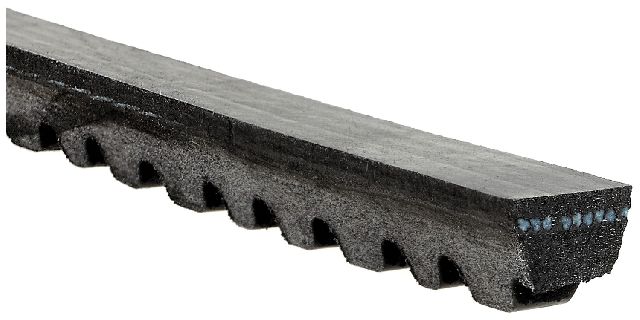
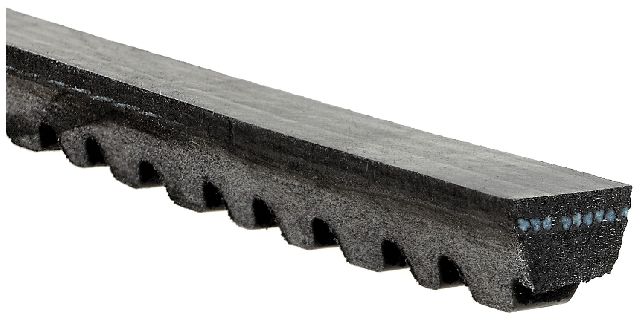
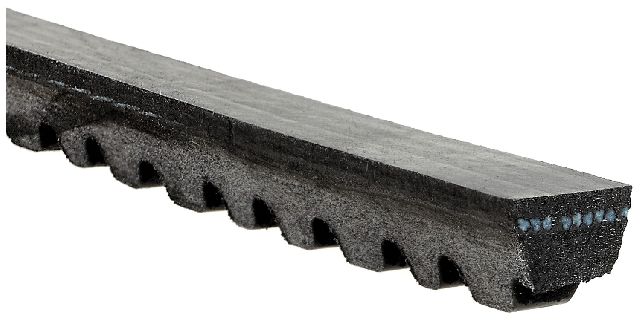
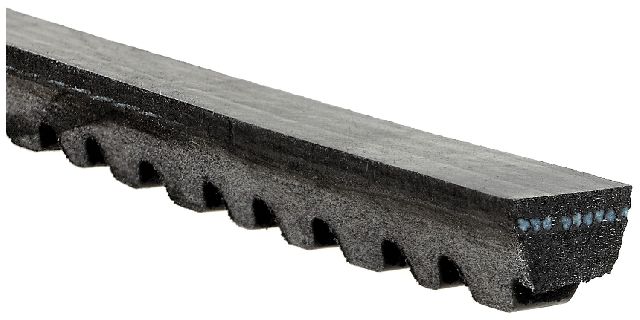
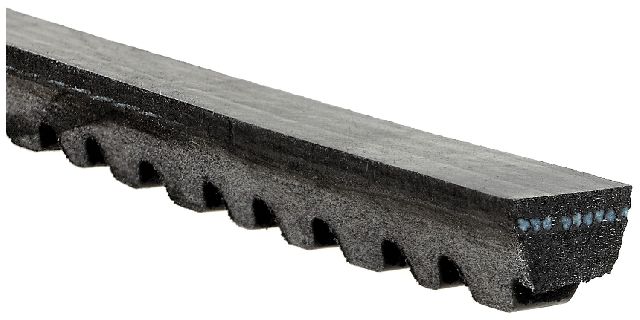
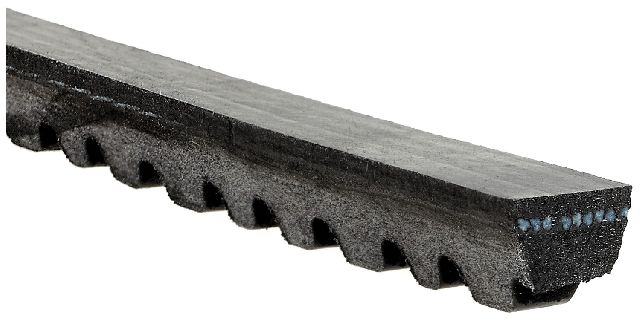
The 1982-1983 Dodge 400 uses multiple V-belts. The exact number, length, and type depend on the engine (2.2L or 2.6L) and the vehicle's options (with or without Air Conditioning, with or without Power Steering). Belts are typically notched V-belts made of EPDM rubber. It is essential to order parts based on your specific vehicle configuration.
We Have This Part in Stock

The information in this article is provided for general reference and educational purposes only. Vehicle specifications, procedures, and part compatibility can vary by production date, trim level, and region. Always consult your vehicle's factory service manual and verify part numbers before purchasing or performing repairs. Safety-critical components such as airbags, seat belts, and braking systems should be installed by a qualified professional.
- Dodge 400: