

1982-1983 Dodge 400 Automatic Transmission Oil Cooler Replacement Guide
Keep your classic Dodge 400's automatic transmission shifting correctly by maintaining proper fluid temperature.
- New OEM coolers are likely unavailable; aftermarket is the standard replacement.
- Symptoms of failure include fluid leaks, a burning smell, and poor shifting performance.
- Upgrading to a more efficient 'stacked-plate' style cooler is a good investment for transmission longevity.
- There are no specific recalls or TSBs for the transmission cooler on this vehicle.
Signs of a Failing Transmission Oil Cooler
A bad transmission cooler can lead to serious and expensive transmission damage. Heat is the number one enemy of an automatic transmission. If you notice any of these symptoms with your Dodge 400, you should inspect the cooler and its lines immediately.
- Transmission Fluid Leaks: This is the most obvious sign. You may see puddles of reddish or dark brown fluid under the front of your car. The cooler itself or the rubber and metal lines connected to it can crack, rust, or develop loose fittings over time.
- Overheating Transmission: While your Dodge 400 doesn't have a specific transmission temperature gauge, an overheating transmission can sometimes cause the main engine temperature to rise. You might also notice a distinct burning smell, which is the scent of burnt transmission fluid.
- Poor Shifting Performance: When transmission fluid gets too hot, it loses its ability to lubricate and maintain proper pressure. This can cause rough shifting, delayed gear engagement, or a feeling of the transmission slipping.
- Contaminated Fluid: On some vehicles, the transmission cooler is integrated into the radiator. If this type of cooler fails internally, coolant can mix with the transmission fluid, creating a milky, pinkish appearance. This is a critical failure that can destroy the transmission quickly.
Choosing the Right Aftermarket Cooler
For a vehicle like the 1982-1983 Dodge 400, finding a new original equipment (OEM) part from Mopar is highly unlikely. The aftermarket is your primary source for a new cooler. The two main types you will find are:
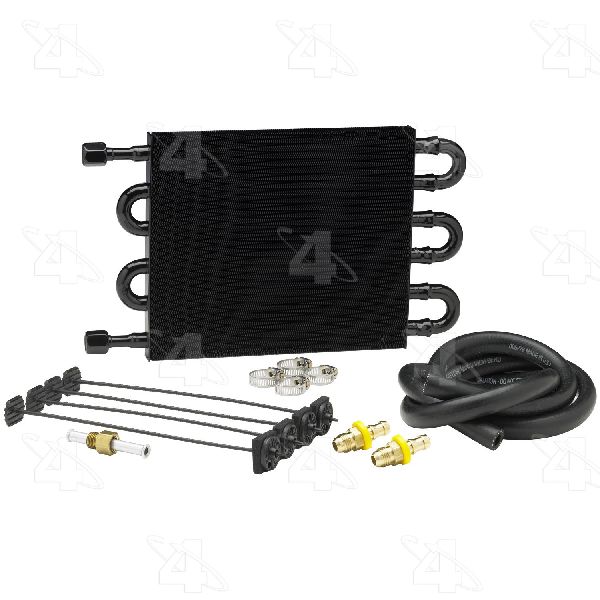
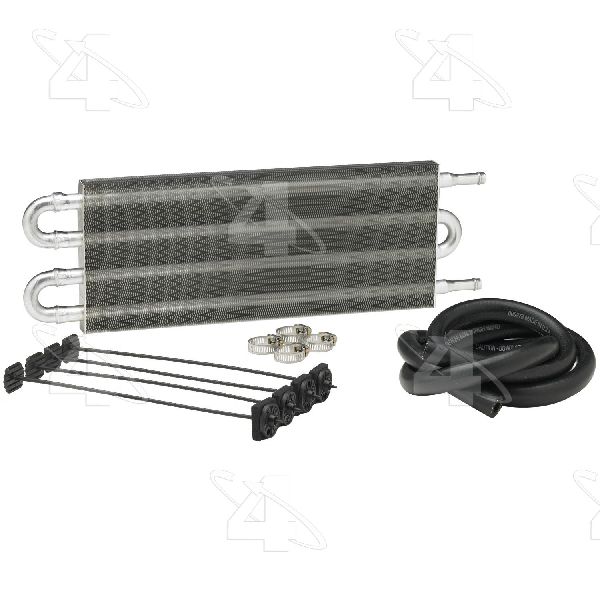
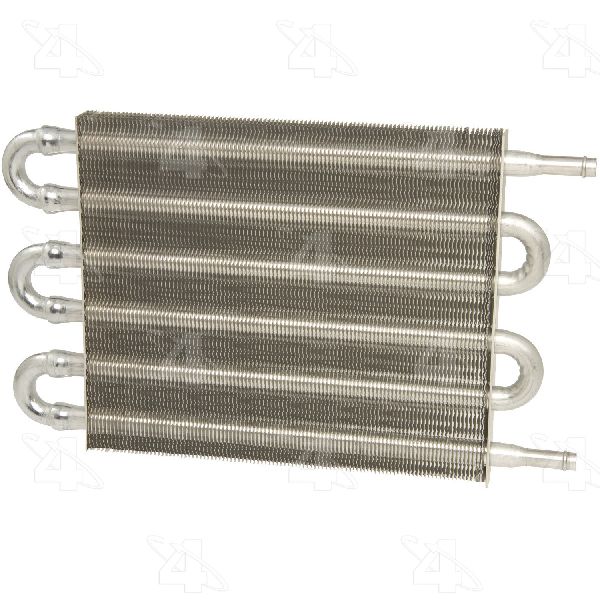
- Tube-and-Fin: This is a basic design where fluid runs through a tube and air passes over fins to cool it. It is an older, less efficient design but often less expensive.
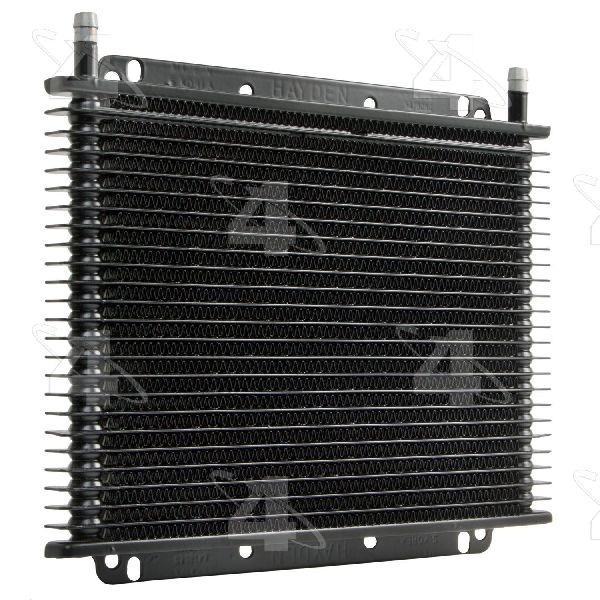
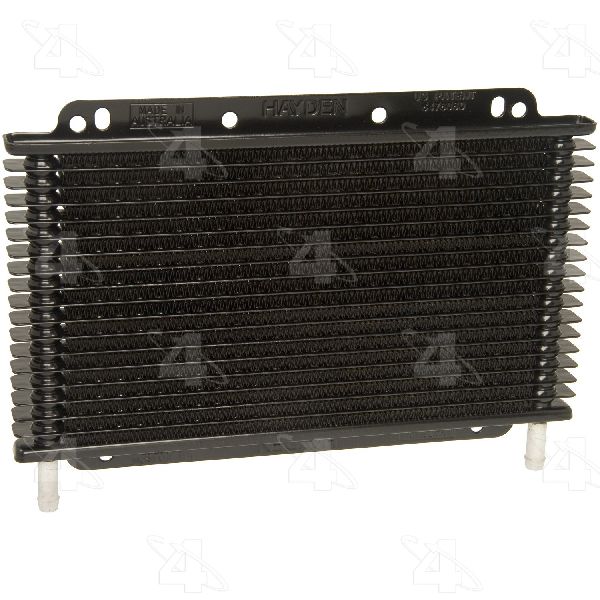
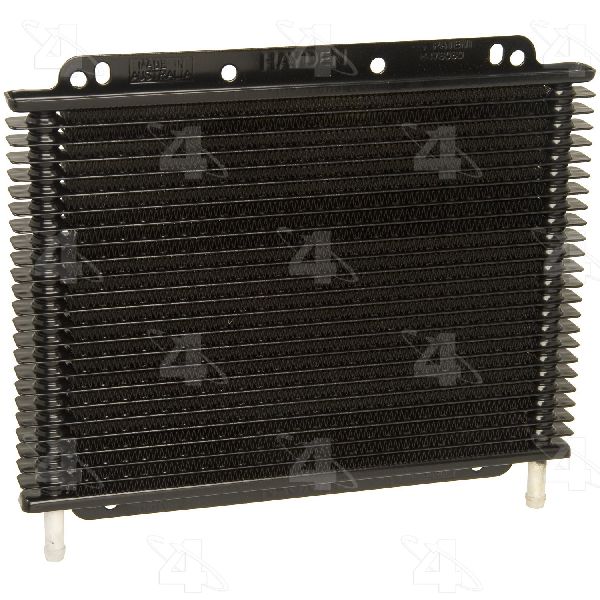
- Stacked-Plate: This more modern and efficient design forces fluid through a series of plates, providing better cooling in a smaller package. For better protection, a stacked-plate cooler is generally the recommended choice.
Brand Quality: Hayden vs. Four Seasons
Finding reviews specific to a Dodge 400 is nearly impossible, but we can look at the general reputation of these brands.
- Hayden: Hayden is a well-known brand that specializes in automotive cooling products. They are frequently used and generally considered a reliable choice for aftermarket transmission coolers, with many DIY and professional mechanics having used them successfully.
- Four Seasons: Four Seasons is a broad-line aftermarket parts manufacturer. While they produce a wide variety of components, some forum discussions suggest caution, though experiences can vary.
Pro Tip: When replacing your cooler, it's also a good time to replace the rubber hoses that connect to it. Old hoses can become brittle and are a common source of leaks.
Common Ordering Mistakes
The biggest mistake is ordering the wrong size or type. Before you buy, inspect your existing setup. Note the size of the cooler and the diameter of the inlet and outlet fittings to ensure the new part will fit in the available space and connect to your existing lines.
| Part/Service | Estimated Cost |
|---|---|
| New Aftermarket Cooler | $51.93 - $95.39 |
| Shop Labor | $100 - $250 |
Frequently Asked Questions
Where is the transmission cooler located on my Dodge 400?
The automatic transmission oil cooler is typically located in front of the car's main radiator to get maximum airflow while driving. You will see two lines running from the transmission to this smaller, radiator-like component.
Can I install a larger, heavy-duty cooler?
Yes, and it's often a good idea, especially if you live in a hot climate or do a lot of stop-and-go driving. A more efficient stacked-plate cooler can provide better protection and may extend the life of your transmission. Just ensure it will physically fit in the space in front of your radiator.
Are there any recalls for the Dodge 400 transmission cooler?
No, there are no specific recalls or Technical Service Bulletins (TSBs) from the NHTSA related to the automatic transmission oil cooler for the 1982-1983 Dodge 400.
Do I need special tools for the replacement?
For a Dodge 400, you will likely only need basic hand tools like wrenches for the line fittings and sockets for any mounting brackets. Some cooler lines on other vehicles use special quick-disconnect fittings that require a specific tool, so it's wise to inspect your lines first.
Technical Specifications
The 1982-1983 Dodge 400 was equipped with a Chrysler TorqueFlite front-wheel-drive automatic transaxle, likely the A413 or A470 model. The oil cooler is an external, air-to-oil heat exchanger mounted in front of the engine's radiator.
We Have This Part in Stock

The information in this article is provided for general reference and educational purposes only. Vehicle specifications, procedures, and part compatibility can vary by production date, trim level, and region. Always consult your vehicle's factory service manual and verify part numbers before purchasing or performing repairs. Safety-critical components such as airbags, seat belts, and braking systems should be installed by a qualified professional.
- Dodge 400: