

Choosing the Right Spark Plugs for Your 1982-1983 Dodge 400
Keep your classic K-car running smoothly by selecting the correct spark plugs for its specific engine.
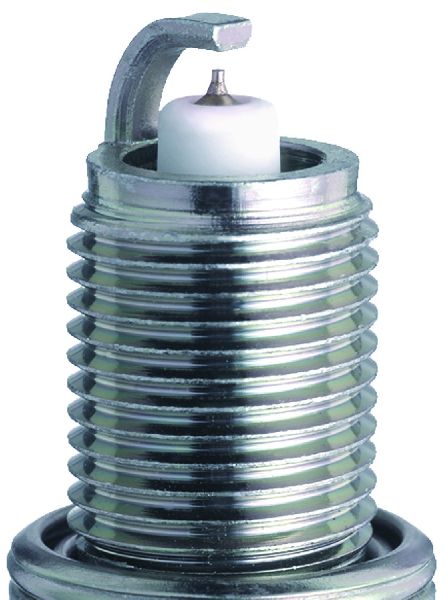
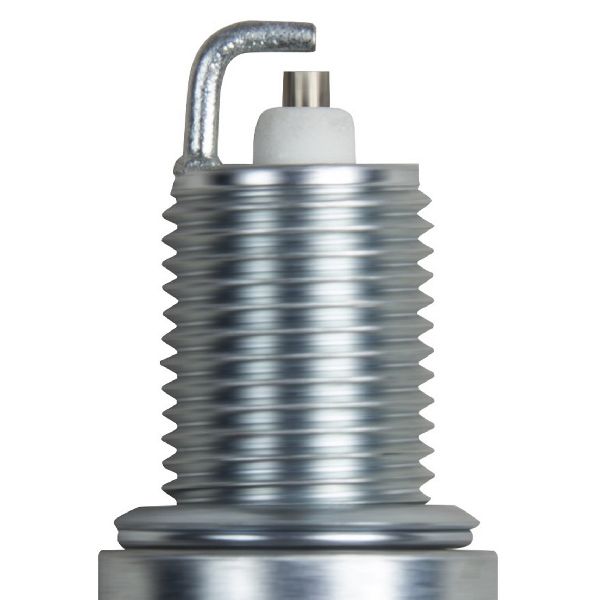
- Standard copper spark plugs from brands like Champion or NGK are excellent, cost-effective choices for the 1982-1983 Dodge 400.
- Always verify the spark plug gap before installation, even if the plugs are advertised as pre-gapped.
- Symptoms like rough idle, poor acceleration, and difficulty starting are strong indicators of worn spark plugs.
- Replacing the spark plugs is an easy DIY job that requires basic tools and can be completed in under an hour.
Signs of Failing Spark Plugs in a Dodge 400
Since your 1982-1983 Dodge 400 is a classic, keeping up with basic maintenance is key. Worn spark plugs can cause several noticeable issues. If you experience any of these, it might be time for a replacement.
- Rough Idling: The engine may shake or sound uneven when the car is stopped. This can happen when a plug isn't firing correctly, causing a cylinder to misfire.
- Difficulty Starting: While a weak battery is a common cause, worn-out spark plugs can also make the engine crank for a long time before it starts.
- Poor Fuel Economy: Bad plugs can reduce gas mileage by up to 30% because the fuel isn't burning efficiently in the combustion cycle.
- Sluggish Acceleration: If your car feels slow to respond when you press the gas pedal, it could be due to weak or fouled spark plugs not providing a strong enough spark.
- Engine Misfires: You might feel a stumbling or jerking sensation while driving, especially under load. This indicates a failure in the combustion process, which can be caused by a bad spark plug.
Choosing an Aftermarket Spark Plug
For a vehicle like the Dodge 400, you don't need expensive, high-performance plugs to get reliable operation. In fact, sticking with standard copper or nickel plugs, similar to what the car came with from the factory, is often the best choice. The two engines available in the 400—the Chrysler 2.2L and the Mitsubishi 2.6L—may have slightly different requirements, so always verify the part for your specific engine.
Brand Quality Tiers for Dodge 400
| Tier | Brands | Description |
|---|---|---|
| Good (Value) | Autolite, Champion | Champion was a common original equipment supplier for Chrysler vehicles of this era. These brands offer reliable, standard copper plugs that are a cost-effective choice for regular maintenance and will perform well. |
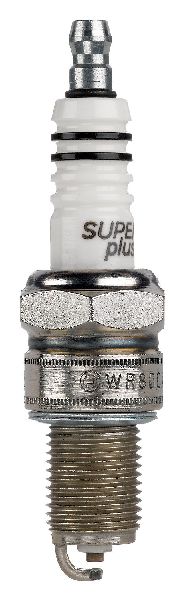
| Better (Enhanced Performance) | NGK, Bosch | NGK and Bosch are highly respected aftermarket brands. NGK's V-Power plugs are known for reliable performance, and they are a strong choice, especially for the Mitsubishi-sourced 2.6L engine. |
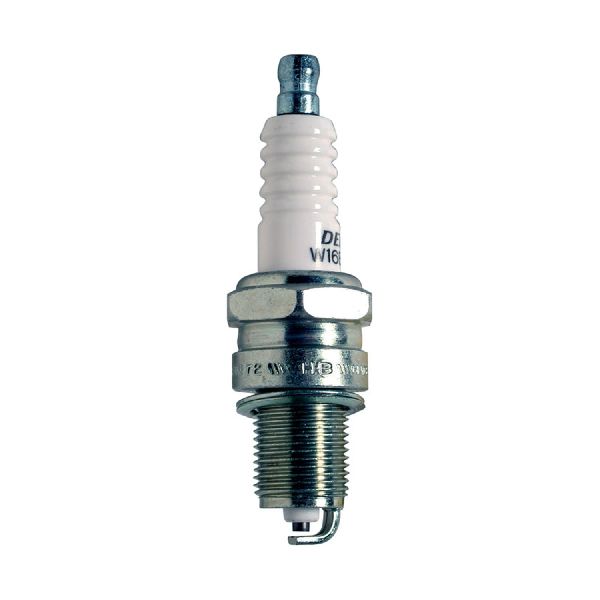
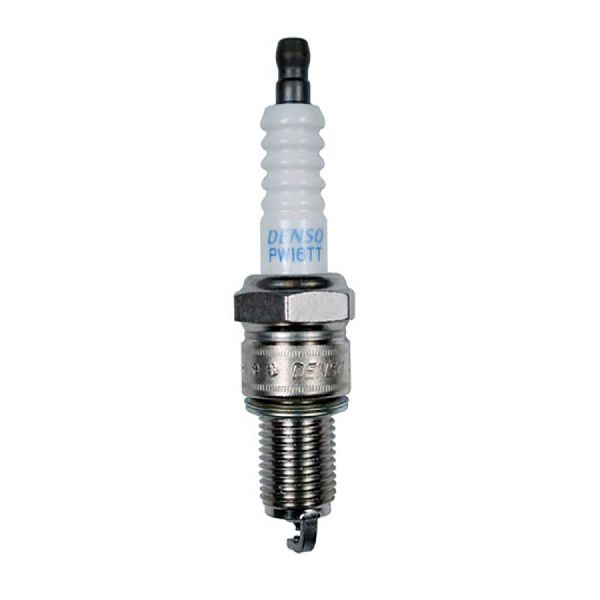
| Best (Longevity) | Denso, NGK Iridium, Bosch Platinum | Plugs made with precious metals like platinum or iridium last longer than standard copper plugs. While they are more expensive, they can be a good upgrade if you want longer service intervals. However, for a classic car that may not see daily use, the extra cost may not be necessary. |
Known Issues, Recalls, or TSBs
Searches for recalls and Technical Service Bulletins (TSBs) specific to spark plugs on the 1982-1983 Dodge 400 did not yield any results. Given the age of the vehicle, most issues are related to general wear and tear of ignition components like the distributor, coil, and plug wires. Owners in forums sometimes discuss general running issues that can be traced back to basic ignition system maintenance, including spark plugs.
Frequently Asked Questions
How often should I change the spark plugs on my Dodge 400?
For standard copper spark plugs, a good rule of thumb is to inspect them every 15,000 miles and replace them every 30,000 miles. If you use longer-lasting platinum or iridium plugs, you can extend this interval, but regular inspection is still recommended for a classic vehicle.
Do I need to gap the spark plugs for my Dodge 400?
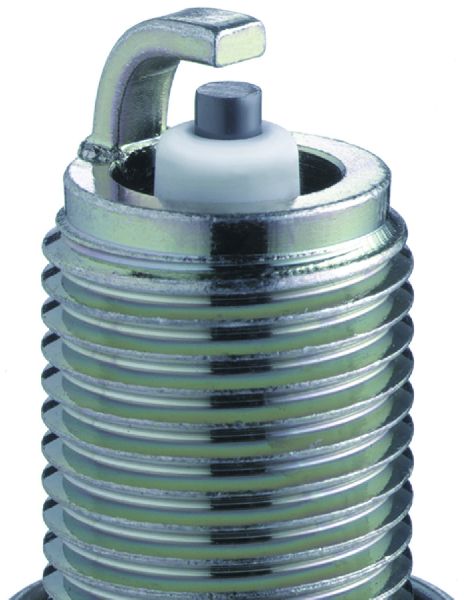
Yes. Even if plugs come 'pre-gapped', you should always verify the gap with a feeler gauge or gap tool before installation. The correct gap ensures a strong spark. For the 2.2L and 2.6L engines, a common gap is around 0.035 inches, but always check the specific recommendation for the plug you are using.
Should I use platinum or iridium plugs in my classic Dodge?
You can, but it's not necessary. The original ignition system was designed for standard copper/nickel plugs. While premium plugs last longer, you won't see a significant performance gain. Sticking with quality copper plugs from a brand like Champion or NGK is a reliable and cost-effective choice.
Is it hard to change the spark plugs myself?
No, this is a very straightforward job on the Dodge 400. The engine bay provides easy access to the spark plugs. You will need a ratchet, a spark plug socket, and an extension. It's a great beginner-level maintenance task.
Technical Specifications
OEM Part Numbers: 4318131 RN11YC4 RN14YC
Engine compatibility varies. The Chrysler 2.2L and Mitsubishi 2.6L engines may require different plugs. Common specs include a 14mm thread, 0.75" reach, and a gasket seat. The recommended spark plug gap is typically 0.035" to 0.044" depending on the specific plug and engine.
We Have This Part in Stock

The information in this article is provided for general reference and educational purposes only. Vehicle specifications, procedures, and part compatibility can vary by production date, trim level, and region. Always consult your vehicle's factory service manual and verify part numbers before purchasing or performing repairs. Safety-critical components such as airbags, seat belts, and braking systems should be installed by a qualified professional.
- Dodge 400: