

Steering Tie Rod End Replacement Guide for the 1982-1983 Dodge 400
Restore steering precision and safety in your classic Dodge 400 by understanding and choosing the right replacement tie rod ends.
- A bad tie rod end is a safety issue; symptoms like loose steering or clunking noises require immediate inspection.
- Always get a professional wheel alignment immediately after replacing tie rod ends to prevent unsafe handling and rapid tire wear.
- For a 1982-83 Dodge 400, aftermarket parts are the only option. Reputable brands like Moog or Delphi are considered premium choices.
- It is best practice to replace both the left and right tie rod ends at the same time for balanced performance.
Symptoms of a Failing Tie Rod End
Because the Dodge 400 is an older vehicle, its steering components have been subject to decades of wear. A worn tie rod end becomes loose, which can compromise steering control and safety. Watch for these common symptoms:
- Loose or Vague Steering: You might notice excessive play in the steering wheel, where you can turn it slightly without the car responding immediately. This can feel like a delay or a 'dead zone' while driving.
- Clunking or Popping Noises: A common sign is a clunking or rattling sound, especially when turning at low speeds or driving over bumps. This noise comes from the worn ball stud moving around inside the loose socket.
- Uneven Tire Wear: Worn tie rods will throw off your car's wheel alignment. Check your front tires for accelerated wear on the inner or outer edges, which is a classic sign of a bad tie rod.
- Steering Wheel Vibration: A shaky or vibrating steering wheel, particularly as you increase speed, can be caused by a loose tie rod end allowing the wheel to shimmy.
Choosing the Right Aftermarket Tie Rod End
For a vehicle like the 1982-1983 Dodge 400, new Original Equipment Manufacturer (OEM) parts are generally no longer available. The aftermarket is your primary source for new parts. Modern aftermarket parts from reputable brands often meet or exceed the original 1980s quality standards. Brands can be grouped into different quality and price tiers.
| Brand Tier | Brands | Price Range (Each) | Notes |
|---|---|---|---|
| Premium | Moog, Delphi | $30 - $52 | Often considered top-tier aftermarket brands known for quality and durability, sometimes exceeding original specifications. Moog has a long-standing reputation, though some users in forums mention recent quality can be inconsistent. |
| Standard / Mid-Range | Mevotech, Dorman | $15 - $35 | These brands offer a good balance of quality and affordability for daily driving. Mevotech and Dorman are widely used, but quality can sometimes be hit-or-miss according to user reviews. |
| Economy | QuickSteer, Suspensia | $8 - $20 | These are budget-friendly options suitable for getting a car back on the road affordably. While functional, they may not offer the same longevity as premium brands. |
Known Issues, Recalls, and Service Bulletins
Searches for recalls and Technical Service Bulletins (TSBs) specific to the 1982-1983 Dodge 400's steering tie rod ends did not yield any results. The NHTSA database shows no specific recalls for this component on this model. Any issues you experience are most likely due to normal wear and tear over the vehicle's 40+ year lifespan.
Frequently Asked Questions (FAQ)
Do I need a wheel alignment after replacing tie rod ends?
Yes, absolutely. Replacing a tie rod end will change your vehicle's toe alignment. You must get a professional wheel alignment immediately after replacement to ensure proper handling, prevent premature tire wear, and maintain safety.
Should I replace inner and outer tie rods at the same time?
It's a good practice. If an outer tie rod is worn out, the inner tie rod has experienced the same amount of use and may also be near the end of its service life. Replacing them together can save you from doing the job twice and paying for a second wheel alignment down the road.
What's the difference between an inner and outer tie rod end?
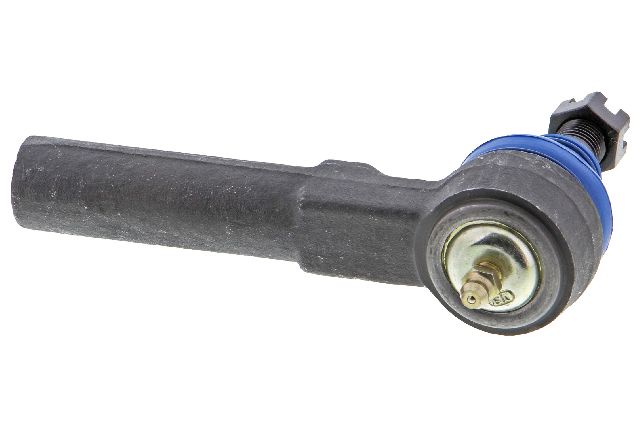
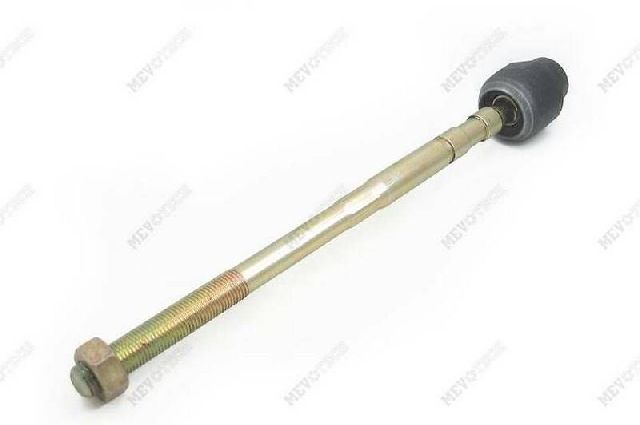
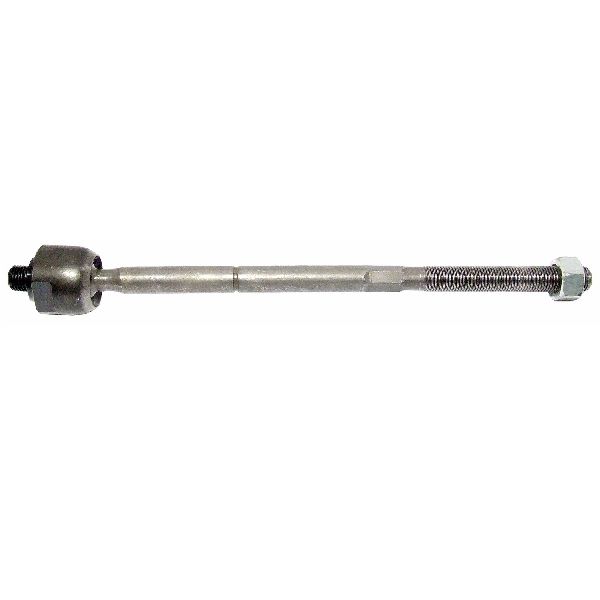
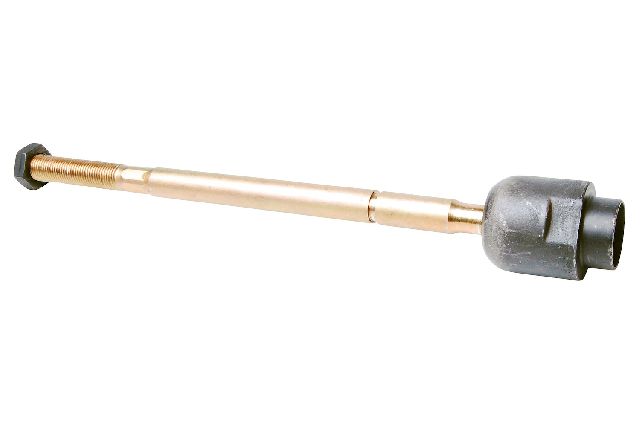
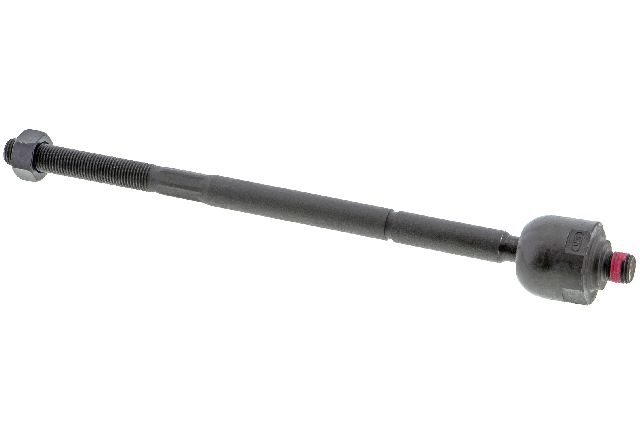
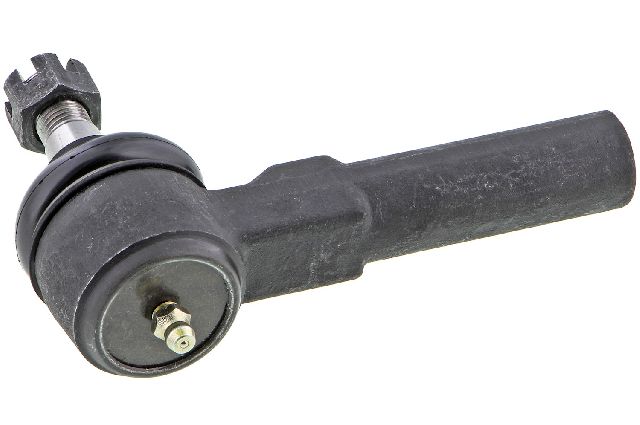
The outer tie rod end connects the steering linkage to the steering knuckle at the wheel. The inner tie rod end connects to the steering rack itself and is usually covered by a flexible rubber boot. They are different parts and are not interchangeable.
Are greaseable tie rod ends better?
Some premium aftermarket tie rods (like many from Moog) feature a grease fitting (zerk) that allows you to add fresh grease periodically. This can help flush out contaminants and extend the part's life. However, sealed-for-life units from quality brands are also very durable and require no maintenance. For a classic car, either option is a significant upgrade over a worn-out original part.
Technical Specifications
OEM Part Numbers: 4147230
The Dodge 400 uses a front-wheel-drive platform with a rack-and-pinion steering system. It requires one inner and one outer tie rod end for each front wheel (four total). Ensure you order the correct part for the inner or outer position.
We Have This Part in Stock

The information in this article is provided for general reference and educational purposes only. Vehicle specifications, procedures, and part compatibility can vary by production date, trim level, and region. Always consult your vehicle's factory service manual and verify part numbers before purchasing or performing repairs. Safety-critical components such as airbags, seat belts, and braking systems should be installed by a qualified professional.
- Dodge 400: