

A/C Accumulator Guide for the 1982-1986 Buick Century
Keep your classic Buick's air conditioning running cold by understanding this critical A/C part.
- The A/C accumulator must be replaced any time the A/C system is opened for service.
- Symptoms of failure include poor cooling, rattling noises, and visible oily leaks.
- This job requires professional service due to the need for specialized refrigerant handling equipment.
- Ensure your system has been converted to R-134a refrigerant, as all new parts are designed for it.
Symptoms of a Failing A/C Accumulator
When the accumulator starts to fail, it can cause several problems with your A/C. Because it's a simple part, the signs of failure are usually straightforward.
- Poor Cooling Performance: The most common symptom is warm or barely cool air coming from your vents. A clogged or failing accumulator can restrict the flow of refrigerant, making the system unable to cool the cabin effectively.
- Rattling or Bubbling Noises: You might hear rattling when the A/C is on. This can be caused by the desiccant bag breaking apart inside the accumulator, sending debris through the system. A bubbling or gurgling sound can also point to a blockage inside the part.
- Visible Refrigerant Leaks: The accumulator can rust or corrode over time, leading to leaks. You might see a greasy, oily residue on the accumulator itself or on the ground beneath it.
- Frost on the Accumulator: Ice or frost forming on the outside of the accumulator can be a sign of a moisture problem or a blockage within the A/C system.
Choosing the Right Aftermarket A/C Accumulator
For a vehicle from this era, new OEM parts from GM are generally not available. The market consists of new aftermarket parts, which are the best choice for this component. Avoid used accumulators, as the internal desiccant is ruined once exposed to open air.
A Note on Refrigerant
Your Buick Century was originally built with an R-12 refrigerant system. Nearly all of these cars have been converted to the modern R-134a standard. All aftermarket accumulators sold today are designed for R-134a and the oils used with it. It is critical to confirm which refrigerant your system uses before servicing it.
Here’s a look at the common brands available:
- ACDelco: As General Motors' own parts brand, ACDelco is the closest you can get to original equipment quality. They are a trusted, reliable choice for any GM vehicle.
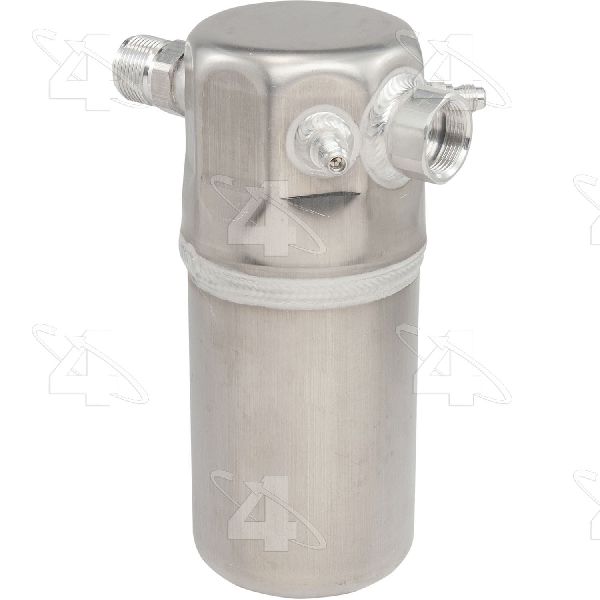
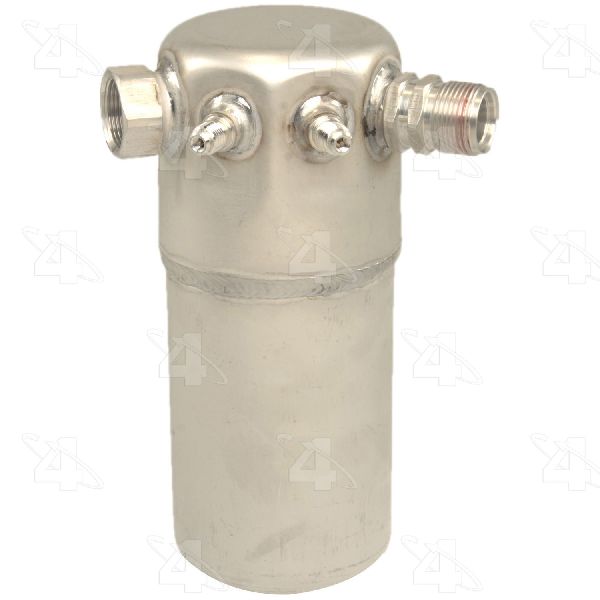
- Four Seasons: A major and well-respected brand in the aftermarket A/C world. They have a reputation for producing quality components that fit correctly and are a solid choice for your Buick.
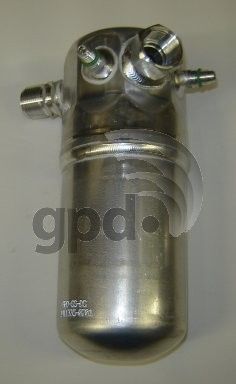
- Global Parts (GPD) / Spectra: These brands are also common in the aftermarket. They are often more budget-friendly and are generally considered to be of acceptable quality for most repairs.
Pro Tip: Always replace the A/C accumulator and the orifice tube anytime the A/C system is opened for a major repair, like replacing the compressor. Failing to do so will void the warranty on your new compressor and can cause it to fail prematurely.
Typical Replacement Costs
The cost of the part itself is low, but the labor to replace it correctly is where the expense lies. Replacing an accumulator requires specialized tools to safely recover the old refrigerant and recharge the system after the new part is installed.
| Part or Service | Estimated Cost |
|---|---|
| New Aftermarket A/C Accumulator | $30 - $45 |
| Shop Labor (Evacuate & Recharge) | $125 - $200 |
| Total Estimated Cost | $155 - $245 |
Frequently Asked Questions
Do I have to replace the accumulator when I replace my A/C compressor?
Yes, absolutely. The accumulator acts as the filter for the system. Not replacing it is like changing your engine oil but leaving the old, dirty oil filter in place. Most importantly, all A/C compressor manufacturers require you to replace the accumulator to keep the warranty valid.
What is the 'desiccant' inside the accumulator?
Desiccant is a substance that absorbs and holds moisture. In your A/C system, it's usually in a small bag inside the accumulator. Its job is to remove any water vapor from the refrigerant, as moisture can lead to corrosion and the creation of damaging acids inside the system.
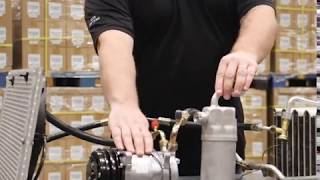
🎬 Watch: A helpful overview of how the A/C system worksCan I replace the A/C accumulator myself?
While unbolting the old accumulator and installing the new one is mechanically simple, the job is not feasible for most DIY mechanics. It is illegal to release refrigerant into the atmosphere, and the system must be properly evacuated with a vacuum pump before being recharged with the precise amount of refrigerant and oil. This requires expensive, specialized equipment.
Were there any recalls for the 1982-1986 Buick Century A/C accumulator?
No. Searches of the National Highway Traffic Safety Administration (NHTSA) database show no recalls or technical service bulletins (TSBs) related to the A/C accumulator for this vehicle.
Helpful Videos
Technical Specifications
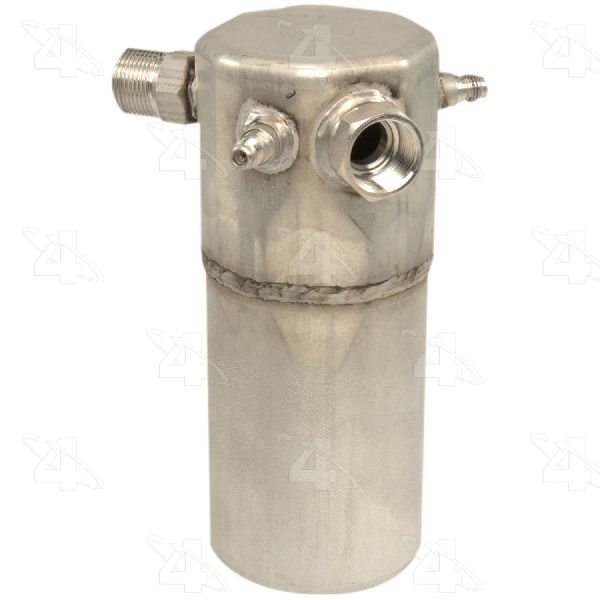
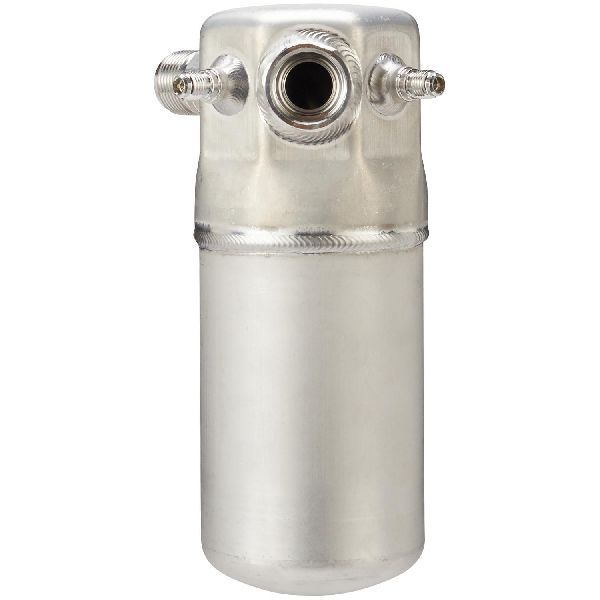
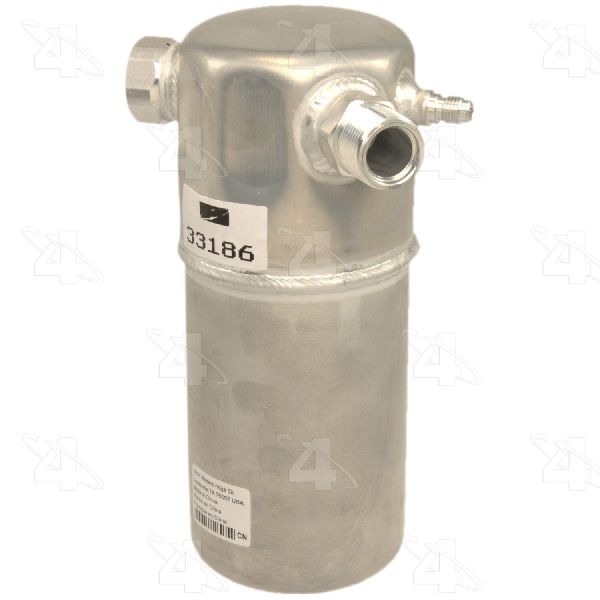
System originally designed for R-12 refrigerant; modern replacements are for R-134a conversions. Contains XH-7 or XH-9 desiccant. Material is typically aluminum.
We Have This Part in Stock

The information in this article is provided for general reference and educational purposes only. Vehicle specifications, procedures, and part compatibility can vary by production date, trim level, and region. Always consult your vehicle's factory service manual and verify part numbers before purchasing or performing repairs. Safety-critical components such as airbags, seat belts, and braking systems should be installed by a qualified professional.
- Buick Century: