

A Guide to the 1982-1986 Cadillac Eldorado Automatic Transmission Oil Cooler
Protecting your Eldorado's transmission from its number one enemy: heat.
- A failing transmission cooler can quickly lead to catastrophic transmission failure.
- Symptoms include overheating, fluid leaks, poor shifting, and a burning smell.
- An aftermarket auxiliary cooler is a reliable and often superior upgrade to the original system for this vehicle.
- If your transmission fluid looks milky or pink, stop driving immediately and have the vehicle towed to a shop.
Symptoms of a Failing Transmission Cooler
A bad transmission cooler can cause serious problems. If you notice any of these signs, you should inspect the system immediately. Ignoring them can lead to transmission failure, which is a very expensive repair.
- Transmission Overheating: Your Eldorado may have a warning light, or you might notice it struggling, especially in traffic or on hot days. An overheating transmission is a serious warning sign.
- Red or Brown Fluid Leaks: If you see reddish-brown fluid under the front of your car, it's likely transmission fluid. The cooler or its lines might be leaking.
- Poor Shifting or Slipping Gears: When fluid is low or overheated, it can cause a drop in hydraulic pressure, leading to delayed shifts, slipping, or grinding noises.
- Milky or Pink Transmission Fluid: This is a critical symptom. It means the cooler inside the radiator has failed and coolant is mixing with your transmission fluid. This will destroy the transmission's internal clutches and seals very quickly.
Choosing the Right Aftermarket Cooler
For a classic car like the 1982-1986 Eldorado, new original equipment (OEM) coolers are generally not available. Aftermarket parts are your primary option, and in this case, they are often a significant upgrade. Modern coolers are more efficient than the technology from the 1980s.
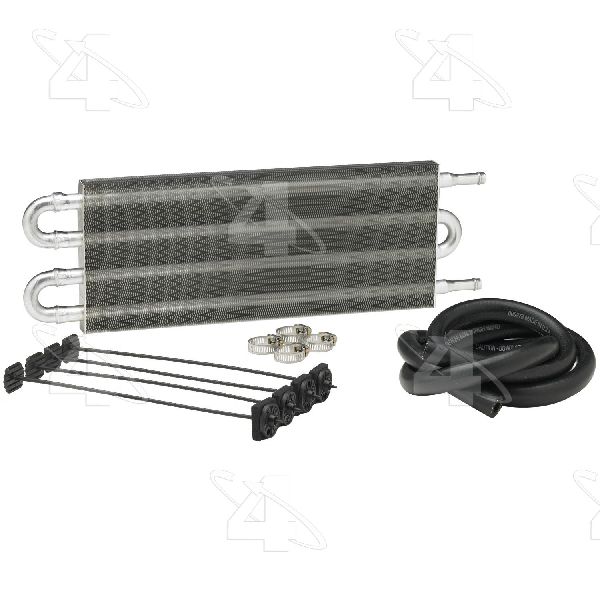
Your Eldorado likely came from the factory with a transmission cooler built into the main engine radiator. While you can replace the radiator, a common and effective solution is to install a dedicated, or "auxiliary," aftermarket cooler in front of the radiator.
Pro Tip: Installing an auxiliary cooler is a great preventative upgrade, even if your current system isn't failing. It provides extra protection and can extend the life of your transmission, especially if you drive in hot climates or hilly areas.
Brand Options
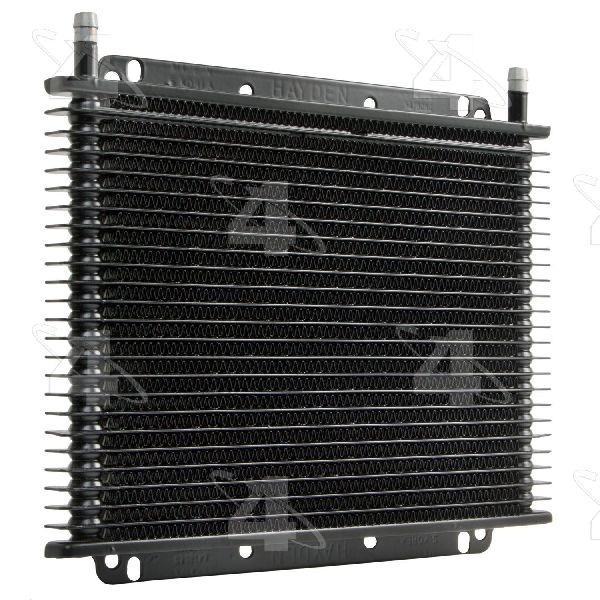
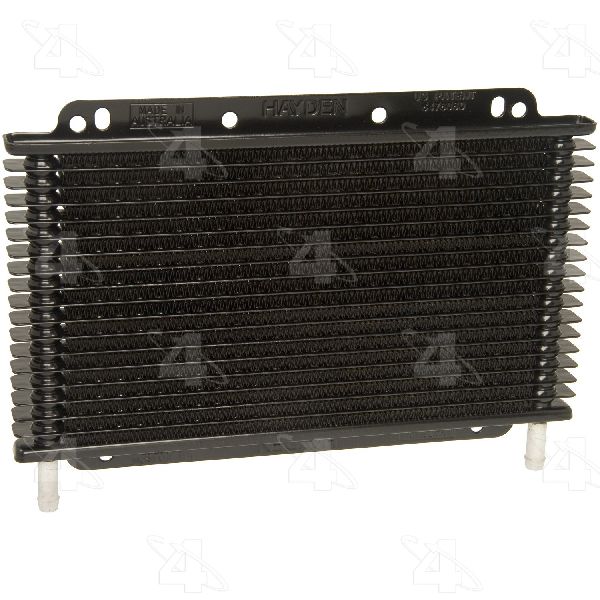
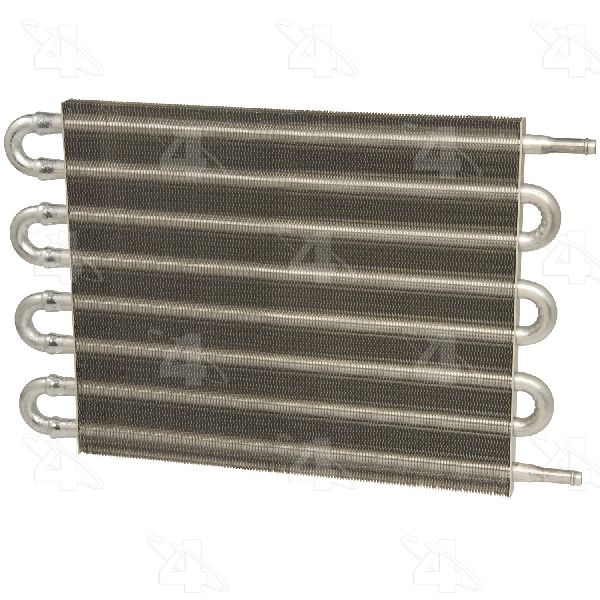
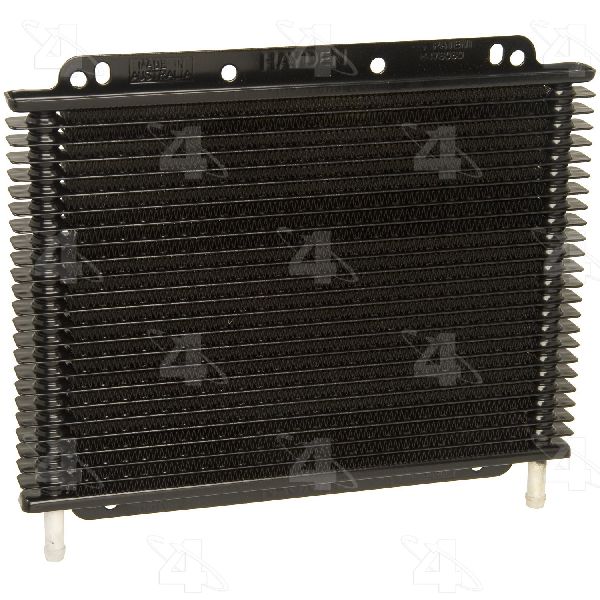
When shopping for an aftermarket cooler, you will see several types and brands. Stacked-plate coolers are generally more efficient and durable than the older tube-and-fin style.
- Hayden: A very well-known and respected brand in the aftermarket cooling world. Hayden coolers are popular with mechanics and DIYers for their reliability and performance. They are often considered a go-to choice for adding an auxiliary cooler.
- Four Seasons & Global Parts: These are major aftermarket suppliers that offer a wide range of parts. Their coolers are built to meet or exceed original specifications and are a solid, budget-friendly choice for your Eldorado.
Typical Replacement Costs
The cost to replace your transmission cooler depends on the parts you choose and whether you do the work yourself. The prices below are estimates.
| Item | Estimated Cost |
|---|---|
| New Aftermarket Cooler | $55.98 - $104.66 |
| Shop Labor | $180 - $375 |
| Total Estimated Cost | $235 - $480 |
Note: Costs are estimates and do not include taxes, fees, or the cost of new transmission fluid.
Frequently Asked Questions (FAQ)
Is my transmission cooler inside the radiator?
Yes, on the 1982-1986 Eldorado, the primary transmission cooler is typically a chamber inside the main engine radiator. The transmission fluid flows through lines from the transmission to the radiator to be cooled. A failure here can cause coolant and transmission fluid to mix, which is why adding a separate aftermarket cooler is often recommended.
Can I install a transmission cooler myself?
For a mechanically skilled person, yes. The job involves mounting the new cooler in front of the radiator, cutting the existing transmission lines, and using rubber hoses to route the fluid through the new cooler. You will need basic hand tools, a way to safely lift the vehicle, and a pan to catch spilled fluid. If you are not comfortable cutting into fluid lines, it is best to leave this job to a professional mechanic.
Do I need a heavy-duty cooler?
For most stock 1982-1986 Eldorados, a standard-size aftermarket cooler provides excellent protection. If you live in a very hot climate like Arizona, or if you have modified the engine for more power, a larger, heavy-duty cooler would be a wise investment for added peace of mind.
Should I bypass the radiator cooler or use it with the new one?
There are two ways to install an auxiliary cooler. You can run the fluid from the transmission, to the radiator, then to the auxiliary cooler, and back to the transmission. This provides maximum cooling. Alternatively, you can bypass the radiator cooler completely, which is often recommended if you suspect the radiator cooler might be old and at risk of failing. For a 40-year-old vehicle, bypassing the original radiator cooler is the safest option to prevent a future coolant/fluid mix.
Technical Specifications
Aftermarket coolers are typically available in two main designs: Plate & Fin or Stacked Plate. Stacked plate coolers are generally considered more efficient and durable. The cooler connects to the transmission via rubber hoses and metal lines.
We Have This Part in Stock


The information in this article is provided for general reference and educational purposes only. Vehicle specifications, procedures, and part compatibility can vary by production date, trim level, and region. Always consult your vehicle's factory service manual and verify part numbers before purchasing or performing repairs. Safety-critical components such as airbags, seat belts, and braking systems should be installed by a qualified professional.
- Cadillac Eldorado: